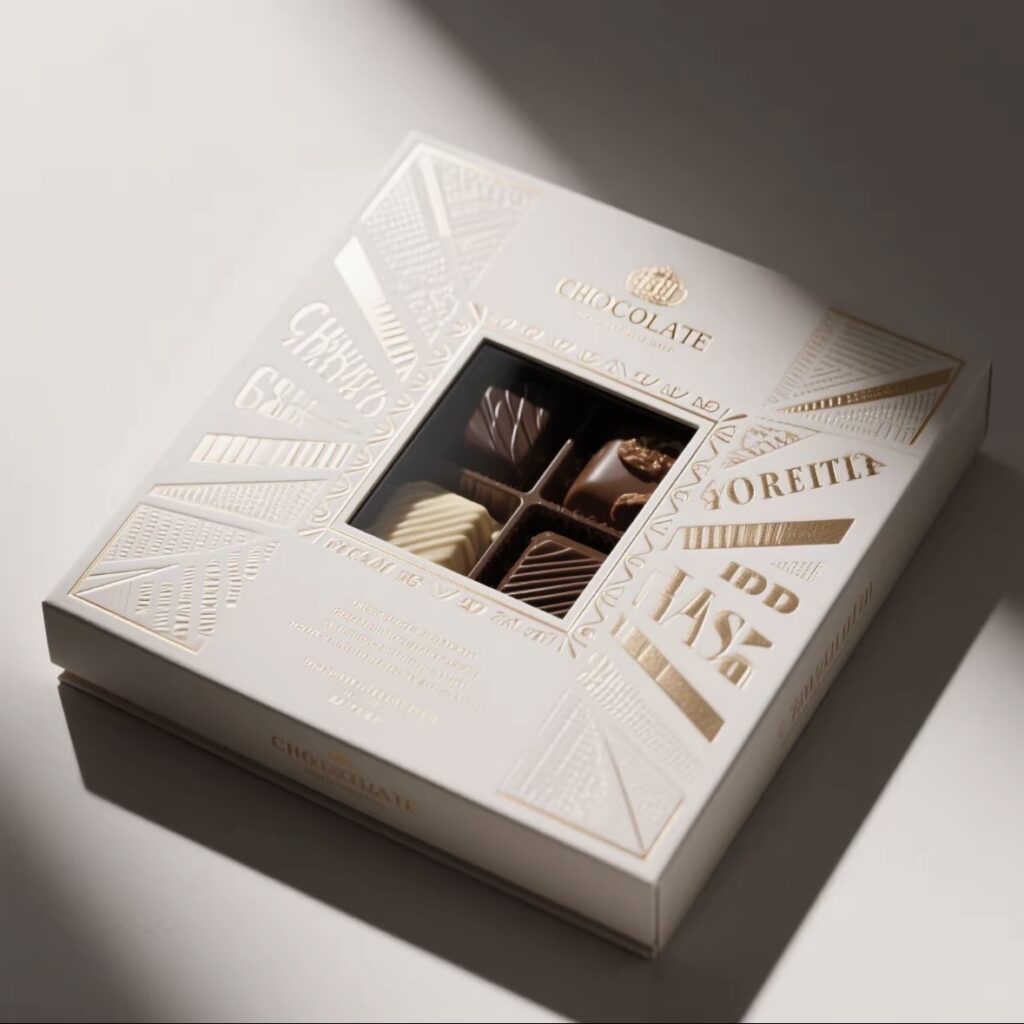
A request for a sustainable chocolate box needs a clear starting point. Are you trying to reduce unused space, document recycled content, simplify disposal or change the way the boxes are shipped? Set the objective before choosing a material. Each option still has to suit the chocolates, packing process and destination market.
List every component before comparing options
Ask for a component list covering the outer board, printed wrap, coatings, adhesives, tray, liner, window, ribbon and closure. A description such as “paper box” leaves many of these details unresolved.
Mark which components touch food, which the customer can remove and which are bonded together. For the United States, FDA guidance ties food-contact suitability to the component and its intended use. Check the requirements of the actual destination market with the food producer before approving a substitution.
Define the claim you want to make
Use precise terms in the purchasing brief. Recycled content describes material input. Recyclability concerns what can happen after use. Compostability requires different evidence and disposal conditions. One claim does not establish the others.
The US FTC Green Guides summary cautions against broad environmental benefit claims without qualification. Its guidance also distinguishes recycled content, recycling access and compostability. Use that as a reference for US-facing claims, not as a global approval for a packaging design.
- Recycled content: request the percentage, calculation basis, component covered and whether the material is pre-consumer or post-consumer.
- Recyclability: identify the destination market, the complete structure and any separation instructions. Check local collection and processing routes before writing disposal advice.
- Compostability: ask which components were assessed, under what test conditions and whether the claim concerns home or industrial composting. Confirm access to a suitable route.
- Certified material: request the certificate holder, current scope and applicable product claim. Verify the right to use a logo on the finished pack before adding it to artwork.
For FSC-labelled material, consult FSC’s explanation of its labels. FSC 100%, FSC Mix and FSC Recycled describe different sourcing categories. The label should be checked against the supplied material and documentation; it does not by itself establish a complete box’s recycling route.
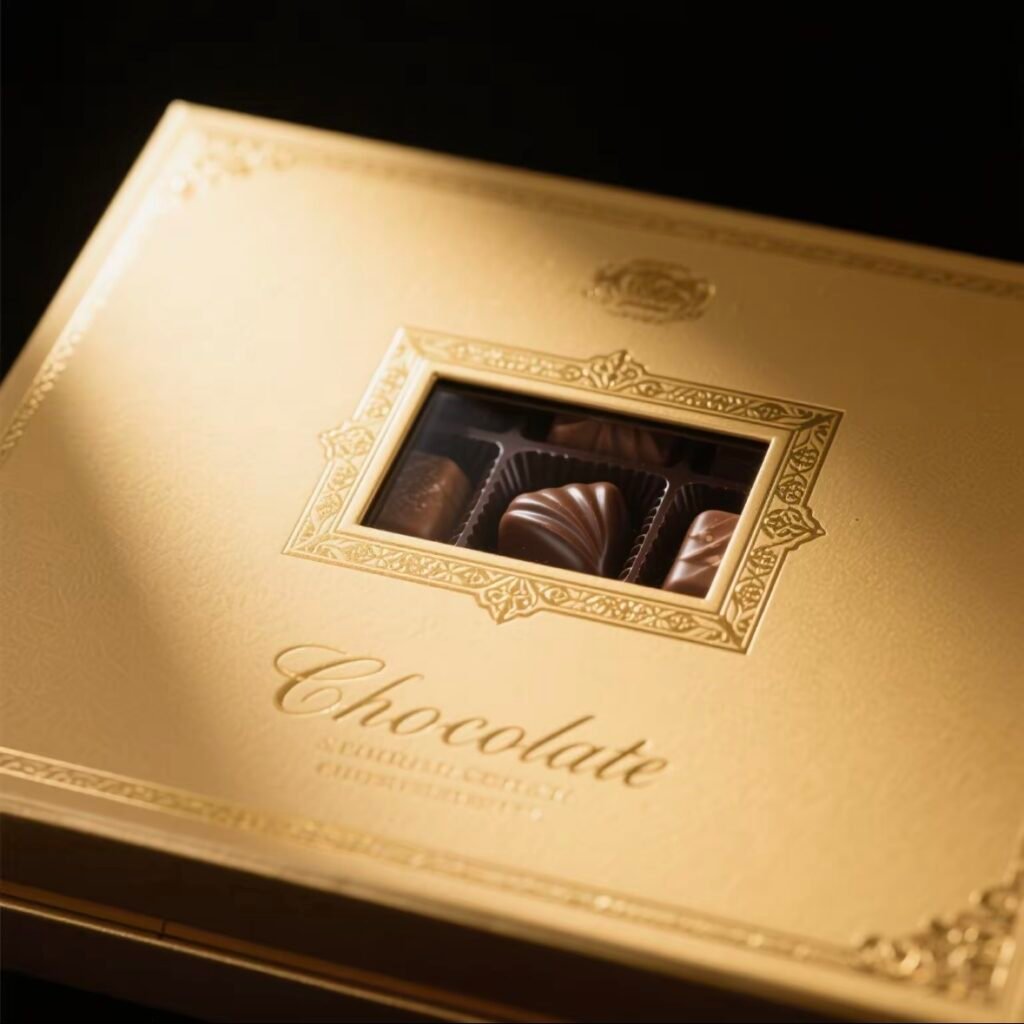
Test a smaller or simpler pack against the same brief
Look for unused space and components with no clear job. An oversized cavity, an additional sleeve or a decorative insert is a useful place to start a design review. Keep the assortment, protection requirements and delivery route consistent when comparing alternatives.
Do not approve a lighter structure only because its material weight is lower. Test whether the pieces stay in position, the lid clears the chocolates and the pack can be assembled without damage. The chocolate box design and sample checklist covers these practical checks.
Compare the costs beyond the unit price
Request packed carton dimensions, units per shipping carton, assembly steps and storage requirements for each proposal. A flat-packed option may need assembly at the packing site; an assembled box occupies a different amount of space. Use the actual proposals to compare transport, labour and storage costs.
Record sample costs, tooling, material price differences and any additional testing separately. Claims of lower freight cost, reduced damage or lower emissions need a defined comparison and evidence. A material change alone is not a measured saving.
Keep the finish deliberate and the instructions useful
Review each coating, foil area, window and accessory for its role in the design. Ask the supplier to explain how it affects the proposed material structure and disposal instructions. Assess the finished sample rather than relying on a kraft-paper appearance or a green colour palette.
A QR code can link to component details or current disposal information, provided someone maintains that page. Adding a code does not itself reduce packaging waste, and it should not replace any information required on the pack.
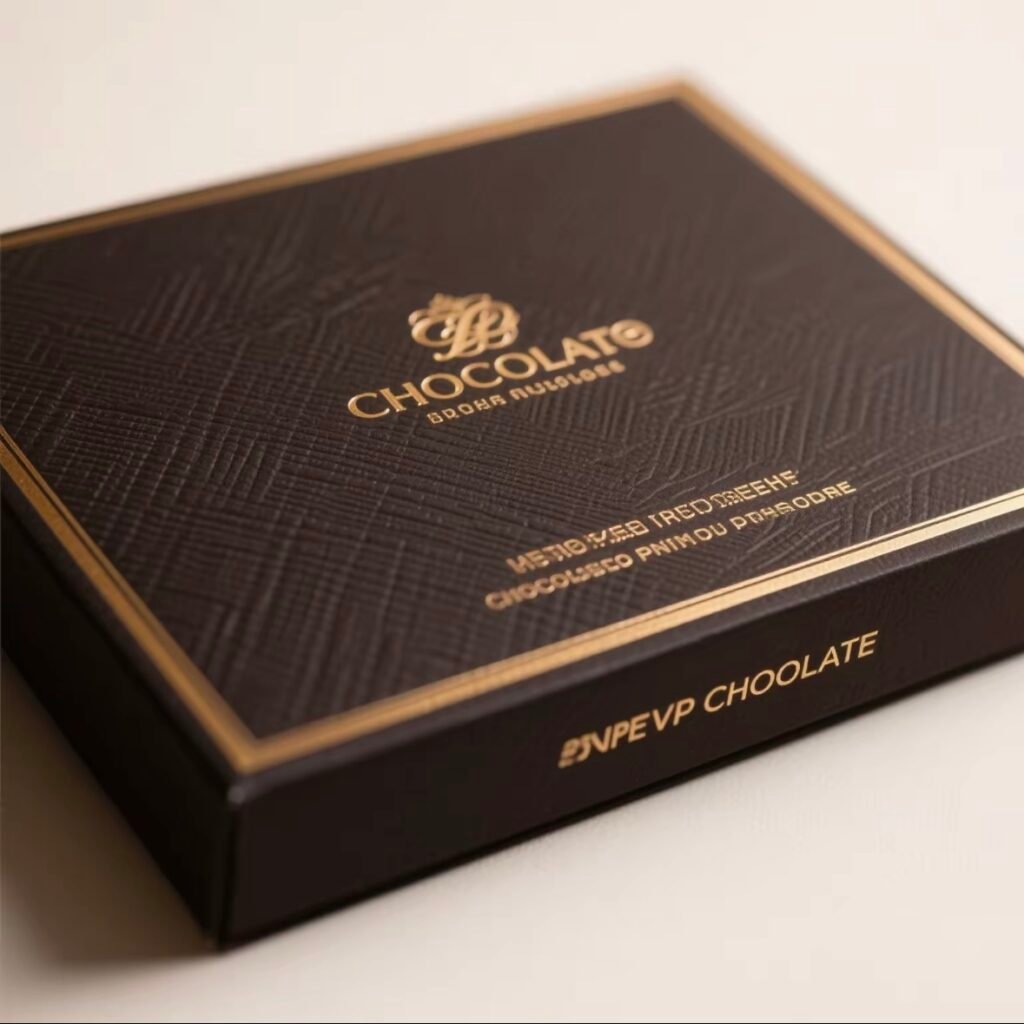
Put the evidence into the approval file
Keep the component list, supplier documents, approved artwork, sample observations and intended markets together. Use the packaging sample guide to define what the prototype can verify and which questions still need production materials or testing.
When you request a chocolate packaging quotation, include the current pack, the change you want to evaluate, the quantity and destination. Ask EASTPKG to confirm the available options and supporting documents for that specification. Keep environmental claims out of final artwork until their scope and evidence have been checked.