A chocolate gift box has to work at the packing bench, in transit and when it is opened. Start with the chocolates and their inner packaging. Then decide how the outer box should present them. A lid that catches on a tray or an insert that leaves pieces loose needs attention before the artwork does.
Start with the assortment and sales channel
List the number of pieces, their dimensions, the tallest decoration and any individual wraps or paper cups. Measure the packed assortment, not just a drawing of the chocolate. Allow the packaging designer to check the proposed clearances with physical samples.
A gift handed over in a shop has a different journey from a box sent through a parcel network. Include the delivery route, expected handling, storage conditions and any outer shipping pack in the brief. Ask the food producer to define the product’s storage and shelf-life requirements; a presentation box alone does not establish them.
Choose a structure your team can pack consistently
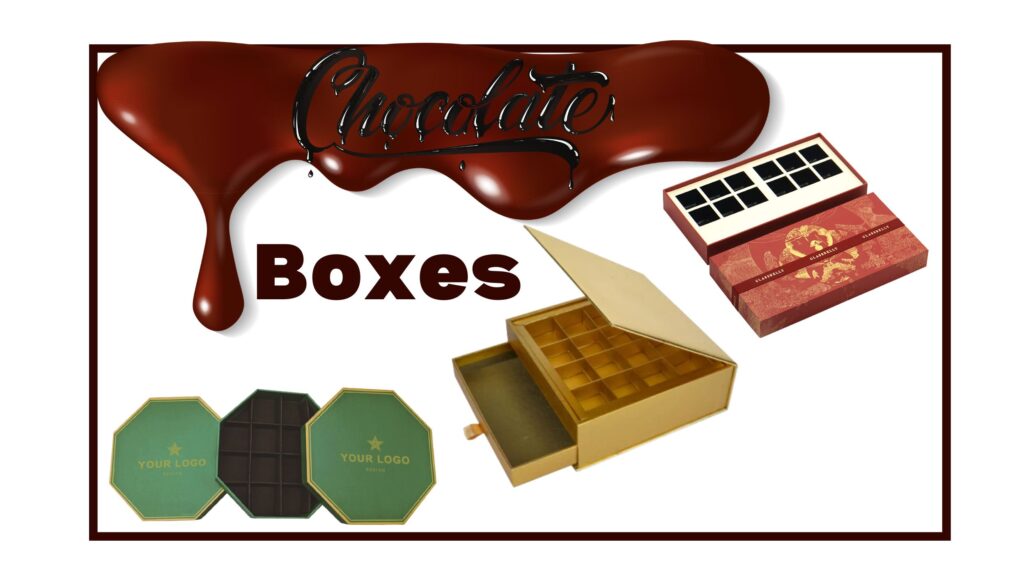
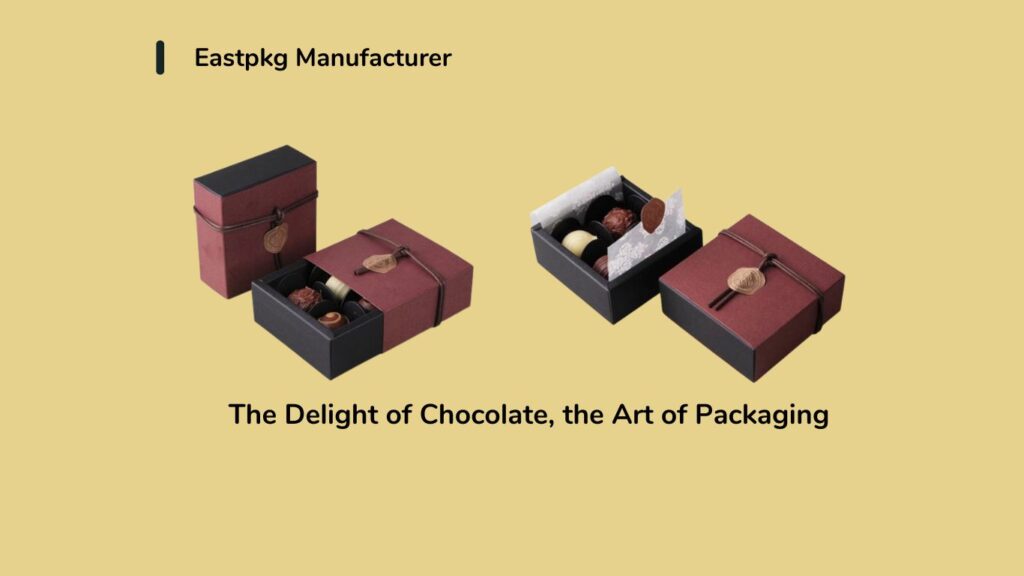
Compare structures with the same assortment inside. A lid-and-base box, drawer box or folding carton should be judged on how it closes, how the tray is removed and how much assembly it needs. Browse the chocolate packaging collection to prepare a shortlist, then confirm which options suit your project.
During sampling, have someone follow the intended packing sequence. Can they insert the tray without bending it? Does the lid close without pressing on the chocolates? Will a label or sleeve interfere with opening? Record these observations alongside the appearance of the box.
Treat the insert as part of the design
An insert should match the assortment and the way customers lift out each piece. Check cavity size, spacing, finger access and clearance above toppings. Where several assortments share one box size, confirm whether each needs a different insert.
For example, a proposed twelve-piece gift set might contain both flat pralines and taller truffles. Test the actual selection together: a layout that looks balanced from above can still leave too little clearance under the lid. This is a design check, not a specification for every chocolate box.
Separate food-contact requirements from presentation
Identify every surface that may contact the chocolate, including cups, trays, liners and wrappers. Ask for documentation that matches the proposed material and intended use. Keep the food producer’s approval of these components separate from approval of the printed outer box.
For the United States, the FDA’s guidance on food-contact materials explains why component identity and conditions of use matter. Other markets have their own requirements. A supplier’s general statement that a material is suitable for food does not replace checking the proposed application.
Use colour and finishing with a clear purpose
Give the brand name, product description and assortment information a clear reading order. Leave room for the information your food-label review requires. A seasonal message can sit on a sleeve or card if that helps you use a common box design across several occasions.
Choose a few details to inspect closely: the alignment of a foil logo, the readability of small text, the feel of an embossed mark and the consistency of colour across panels. Request a physical reference for the selected finish. Screen images cannot show all of these details.
If you add a QR code, give it a useful destination such as an assortment guide. Test the printed code at its final size and agree who will maintain the linked page. Extra interaction should have a purpose for the customer.
Make environmental claims specific
Evaluate the box, insert, liner, coating and accessories as separate components before describing the complete pack. Ask what can be separated after use and what evidence supports the proposed material claims. Our guide to evaluating a sustainable chocolate box sets out the questions to include in that review.
Agree the sample approval checklist
Use the packaging sample and prototype guide to agree which checks each sample can support. Before production approval, record:
- The box dimensions, assortment layout and approved insert.
- The fit with the actual chocolates, cups, wraps and any enclosed card.
- The artwork version, spelling, readable text and printed code performance.
- The agreed colour and finish references, including acceptable variations.
- The packing method, closure and checks required for the intended distribution route.
- The material documents and any differences between the sample and production specification.
Keep the signed-off specification with the sample approval. If the assortment, artwork or material changes later, identify which checks need to be repeated.
Prepare a brief that suppliers can quote
Send the packed product dimensions, pieces per box, quantity by design, preferred structure, artwork status, delivery destination and required date. State which inner components are supplied by your food producer and which need to be included in the quotation.
Send your chocolate packaging brief to EASTPKG with these details. Confirm the available materials, sample scope, pricing and production schedule for the specific project before placing an order.