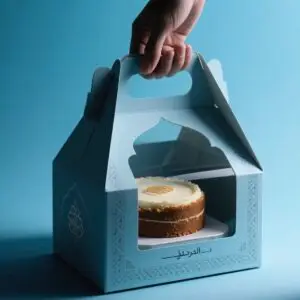
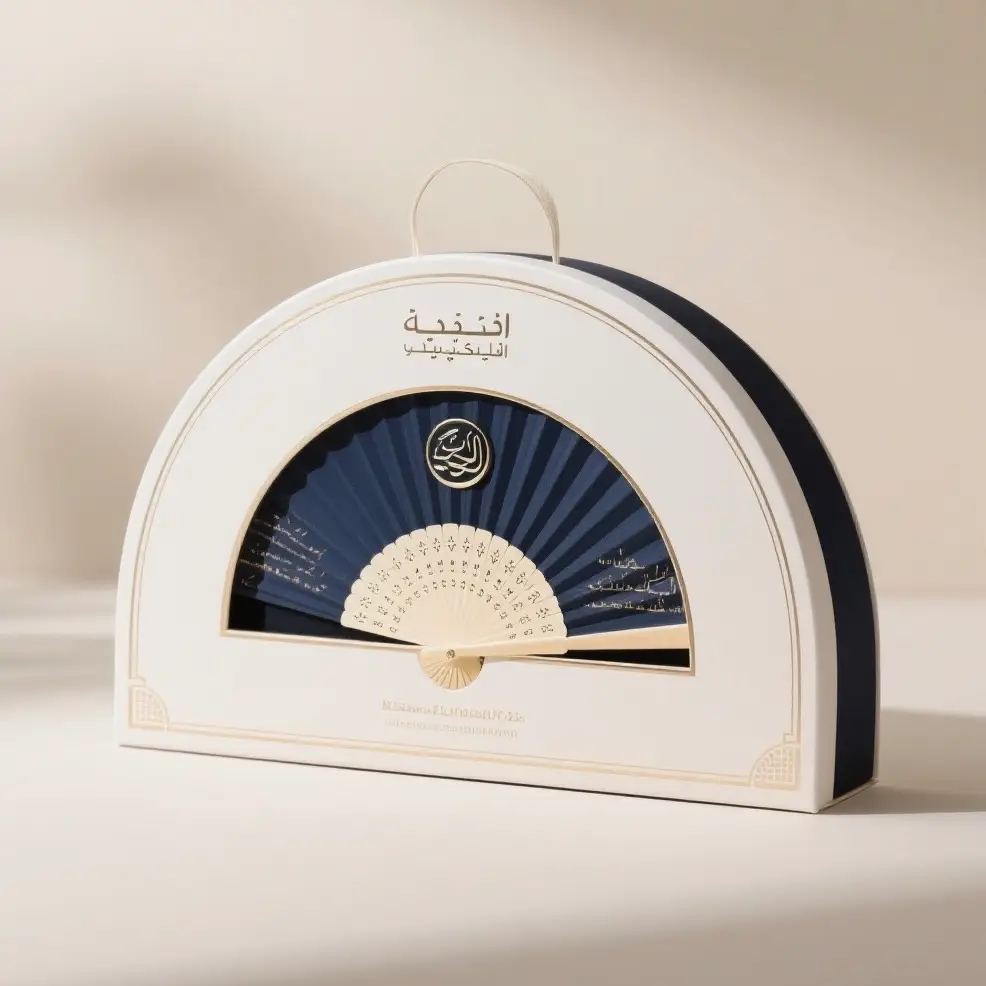
A useful custom box brief starts with the product and its journey. What needs to fit inside? Who packs it? Will it sit on a retail shelf, travel in a parcel or become part of a gift set? Answering those questions first gives suppliers a basis for proposing a structure and a price.
This guide takes a first-time buyer from product measurements to sample approval. It also shows what to include when comparing quotations, so that an attractive unit price does not hide a different specification.
Define what the box has to do
List the product, accessories and any packaging already around them. Include the packed weight, orientation and surfaces that need care. A bottle with a cap and a carton of wrapped items require different checks, even when their outside dimensions are similar.
Describe the sales and delivery route. A presentation box may be placed inside a separate shipping carton; do not assume the presentation pack alone has been assessed for parcel handling. Record who will assemble the box and pack the product, and whether that work is manual or part of an established packing process.
Measure the complete contents
Provide length, width and height with units, ideally alongside a physical product sample. Distinguish internal dimensions from external dimensions when reviewing a drawing. Do not add an arbitrary allowance and treat it as the finished specification: the designer needs to consider the insert, closure, material thickness and packing access.
For a set, provide every component together. Test how the customer removes the product as well as how your team puts it in. An insert that looks tidy but grips an item too tightly still needs revision.
Compare structures against the same brief
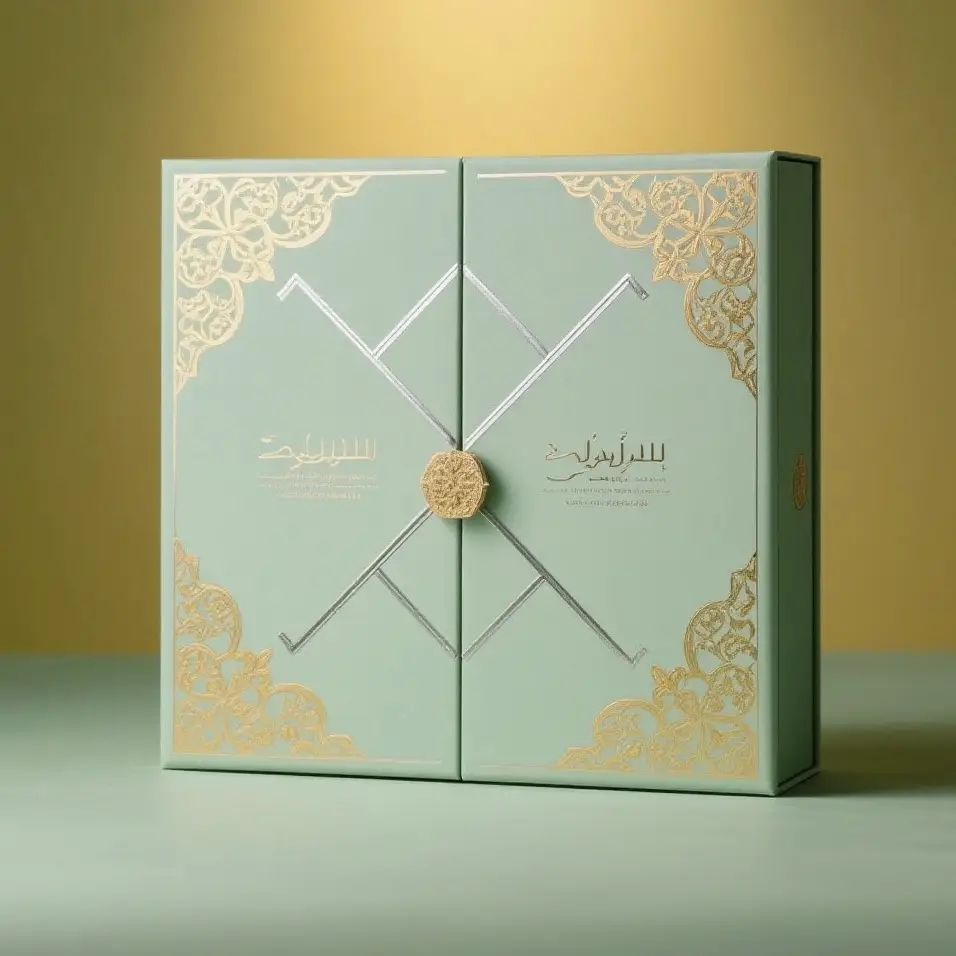
- Rigid box: discuss the presentation, closure, insert and whether the proposed structure ships assembled or can be folded. Confirm the actual design rather than assuming all rigid boxes work alike.
- Folding carton: check the supplied form, assembly steps, locking or gluing method, and how the packed product is supported.
- Corrugated pack: define the product weight, shipping arrangement and handling checks before selecting a board specification. Appearance alone does not establish protection.
Review the existing rigid box, folding carton and corrugated packaging collections as starting points for discussion. Confirm suitability and availability for your project.
Specify the material and finish you are comparing
Ask each supplier to identify the board, printed wrap, coating, insert and accessories in the proposal. If recycled content or a certification claim matters to your brief, request evidence covering the supplied component and proposed claim. A material description or natural-looking colour is not enough.
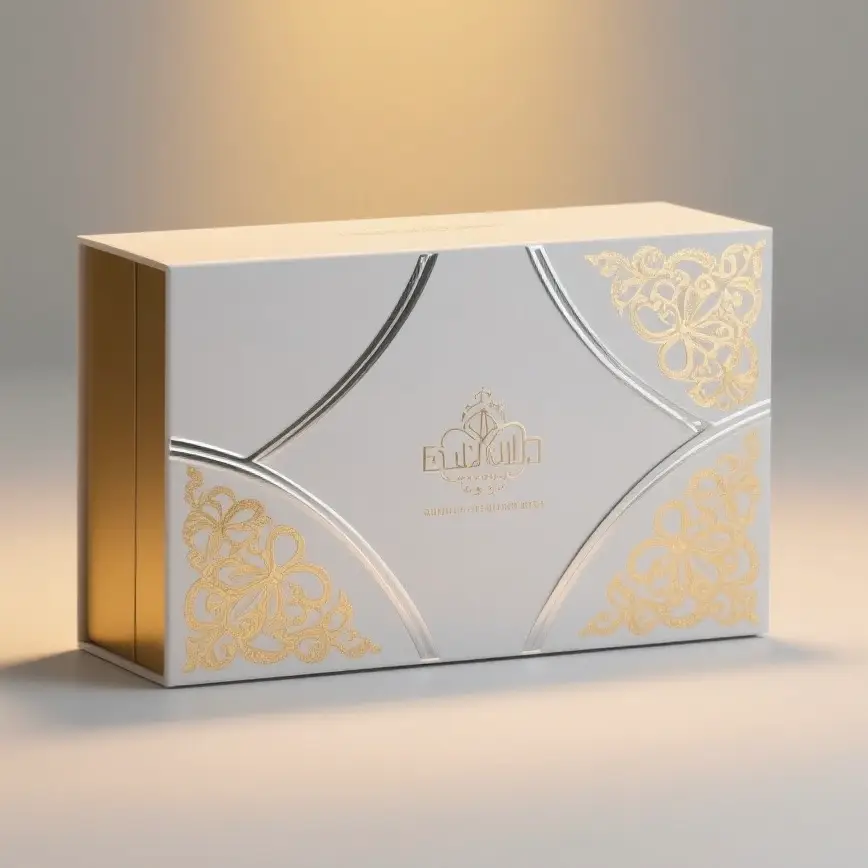
Choose finishes for a specific purpose. Check small lettering, logo alignment, colour consistency and any foil or embossed detail on a suitable physical sample. Agree reference samples and acceptable variations rather than relying on a promise of perfect colour reproduction.
Prepare artwork on the agreed drawing
Ask for the approved dieline and file requirements before final artwork is prepared. Confirm trim, fold and glue areas, bleed, text clearance and how special finishes should be indicated. Keep version names consistent across the drawing, artwork and approval record.
Check spelling, product information and printed codes at the final size. For food, cosmetics or other products with specific labelling requirements, have the responsible product team approve that information for the destination market. The packaging artwork review does not replace that approval.
Use samples to resolve questions before ordering
A structural sample, printed proof and finished pre-production sample may answer different questions. Use the packaging sample and prototype guide to agree what is included and what remains unverified.
Pack the actual product, check the closure and removal, review appearance, and identify any handling tests needed for the intended route. Record differences between sample materials and production materials. A change to the product, insert or artwork may require another check.
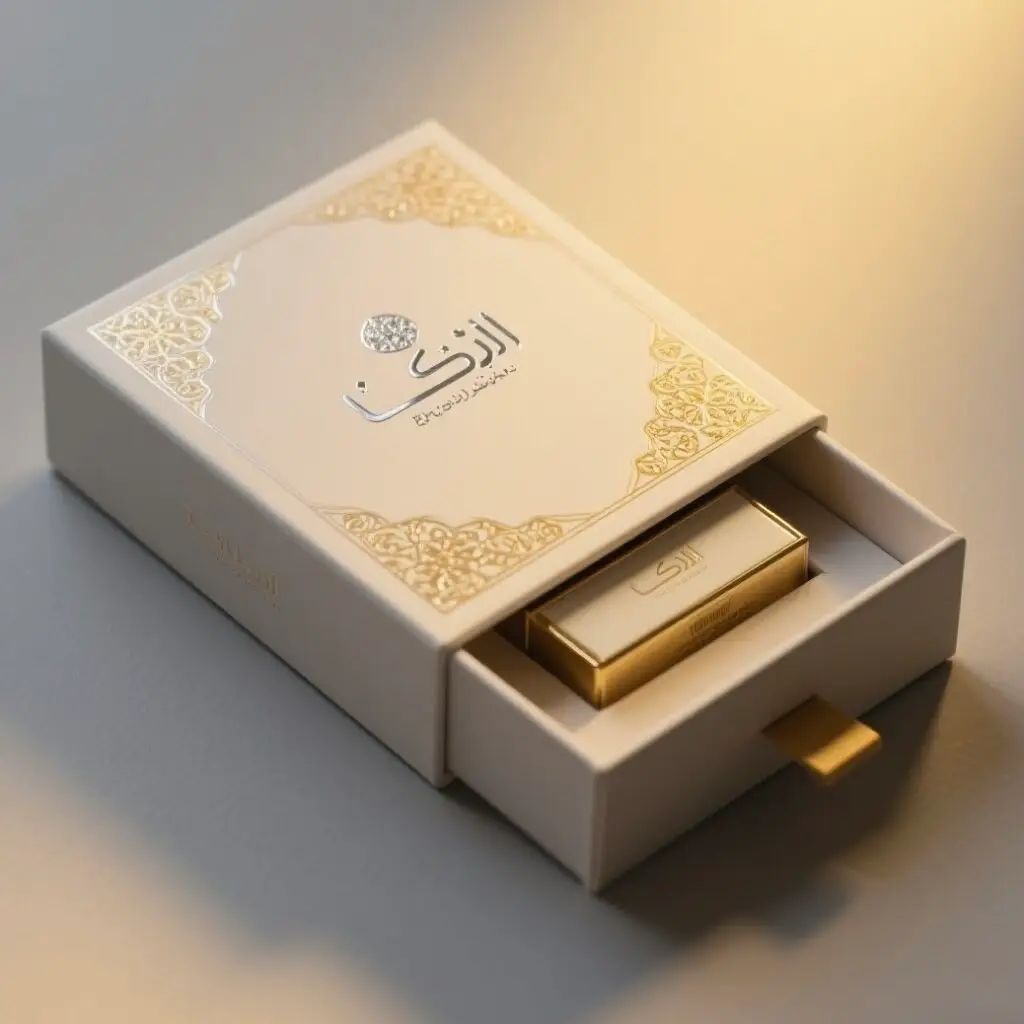
Compare the full quotation, not only the unit price
- Quantity per design, dimensions, materials, insert and printing or finishing scope.
- Sample charges, tooling and artwork work, including what may be charged separately.
- Packing method, units per shipping carton and carton dimensions.
- Assembly requirements, transport terms and any costs excluded from the quoted amount.
- Sample approval steps, the point at which production timing starts, and the delivery estimate for the agreed destination.
Minimum quantities, pricing and lead times depend on the confirmed project. Ask for written terms rather than assuming that a published example, an old promotion or a previous order applies. Compare revisions using the same specification and quantity.
Adapt the brief to the product category
A general checklist is a starting point. For example, tea packaging design needs a clear distinction between the inner pack and outer presentation box. A chocolate gift box also needs checks for assortment layout, insert access and clearance above the pieces.
When you are ready, send your custom box brief to EASTPKG with product measurements, quantity by design, reference images, artwork status and delivery details. Confirm the proposed specification, sample scope and commercial terms before approving production.