Clear paper bag specifications start with what the bag must carry. Put the filled product pack, tissue, receipt and any other contents together. Then measure that set and weigh it. A bag that looks right beside an empty box may be awkward to load once the full purchase is ready. This checklist helps retail buyers brief a supplier, compare paper bag handles and review a paper bag sample. It covers the information to agree before ordering, without assuming that a particular paper, coating or finish will suit every project.
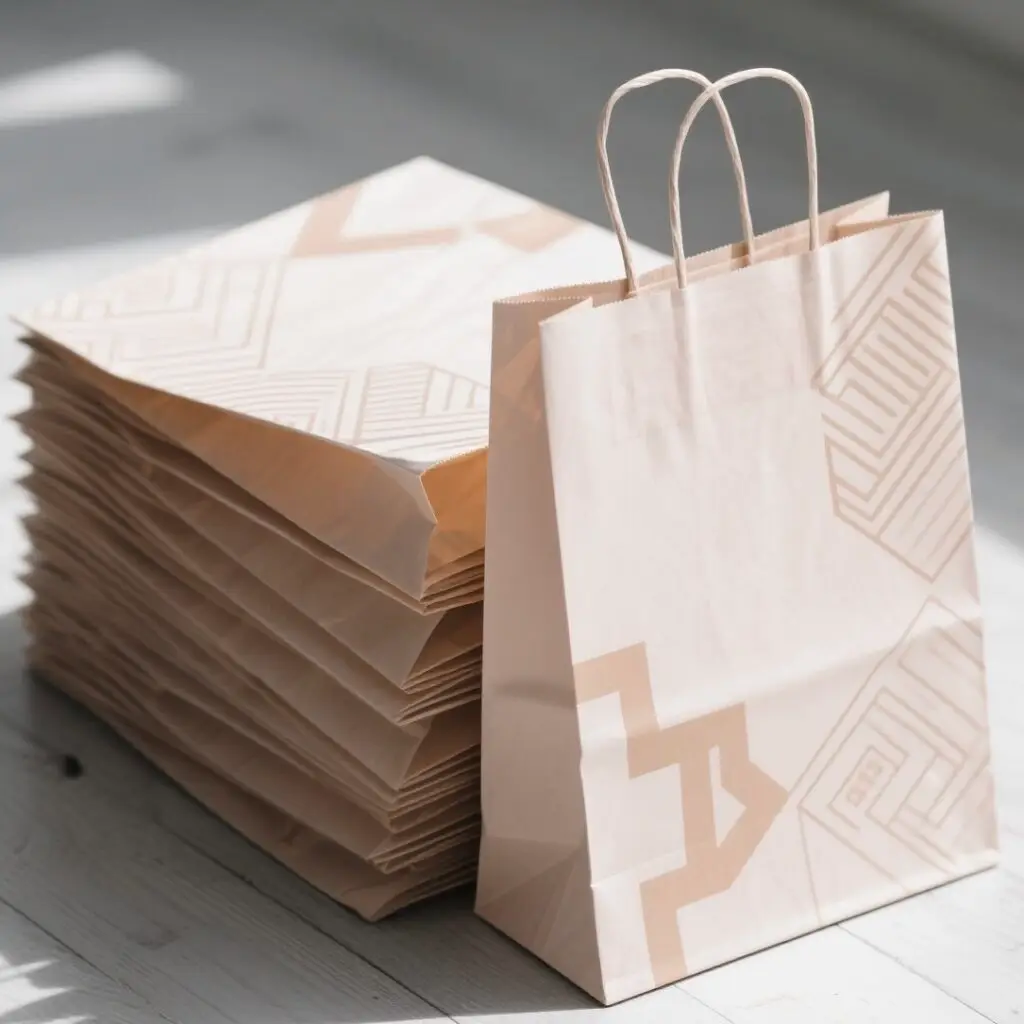
Build paper bag specifications around the actual contents
List the products that will share the bag, including any gift box, protective wrap or card. Measure the largest expected combination, not just the smallest item in the range. Also note how staff will pack it at the counter.
Use a labelled drawing to agree the bag’s width, depth and height with the supplier. Mark whether each dimension refers to the outside or the usable space inside. Show the opening, base and folds. Confirm the handle drop separately, because it changes how the customer holds the filled bag.
For several bag sizes, make a simple product-to-bag list. Check whether one size can serve more than one combination without making small purchases difficult to carry. Ask the supplier to confirm clearances with the actual contents before approving dimensions.
Compare paper bag handles with the load in place
When reviewing paper bag handles, consider grip, attachment, clearance and appearance together. Compare the proposed options on a filled bag. Check that the handles are easy to grasp and that they do not obstruct a tall product or catch on a box corner.
Ask which parts of the design support the handle attachments and base. Agree the load, handling conditions and acceptance checks with the supplier. A material name or paper weight alone does not establish how the finished bag will perform.
Tell the supplier if customers may carry the bag outdoors or alongside chilled products. Request an assessment of that use and any required testing. Do not treat a coating name as proof that the complete bag is waterproof.
Review paper, printing and finish as one design
Request the proposed paper grade, weight, surface treatment and construction details. If you are comparing options, ask for physical references with the intended print and finish. A screen image cannot show the final texture, fold appearance or colour on the selected stock.
Keep the artwork hierarchy simple: brand, essential information and a small number of finishing details. Place logos and fine text where folds or handle attachments will not interrupt them. For coordinated packaging, compare the bag with its presentation box under the same agreed viewing conditions.
Before approving artwork, record the paper bag specifications, dieline version, print areas, colour references and any separate layers for foil or embossing. Record which details the supplier can reproduce and which need adjustment. The approved file and physical reference should identify the same version.

Keep material claims specific
List the paper, handles, reinforcements, adhesive and surface finish in your paper bag specifications. For each proposed environmental claim, ask what evidence supports the exact wording and which components it covers. A brown appearance does not establish recycled content, and an intention to reuse a bag does not prove a particular number of uses.
For a proposed recycling or composting message, identify the full bag construction and intended market. Ask what evidence supports the claim, which facilities accept that construction and what instructions the customer needs. Resolve those questions before adding the message to the artwork.
If a supplier proposes an FSC claim, ask which claim applies to the supplied product and request supporting documentation. FSC’s explanation of its labels distinguishes FSC 100%, FSC Mix and FSC Recycled. These labels are not interchangeable. Do not add a mark to artwork before its use has been confirmed for the project.
Use a paper bag sample to check the complete purchase
Agree what the paper bag sample represents. A structural sample and a printed sample may answer different questions. Use the packaging sample guide to define the checks before you approve production.
- Pack the actual items in the intended order and check loading and removal.
- Review the base, folds, seams, handle attachments and agreed handling checks.
- Compare colour, logo position, fine text and finishing details with the approved references.
- Check any printed code from the physical sample and confirm its destination.
- Record sample materials, remaining differences from production and the person approving each point.
Keep comments in one approval record. If the supplier changes the paper, handles or construction after approval, ask how that change affects the agreed checks. This avoids treating an earlier sample as approval for a different specification.

Compare quotes against the same paper bag specifications
Send each supplier the same drawing, quantities by size and design, artwork status, delivery destination and required date. State whether the quote should include sampling, tooling, packing and freight. Then compare those items separately.
Ask for the minimum order and schedule for the proposed design. Confirm when the production schedule starts and which approvals it depends on. Avoid comparing a plain-stock bag price with a fully printed bag that includes different handles and finishing.
To start a project, review the shopping paper bag collection and send EASTPKG your bag specification. Include the filled-pack measurements, expected load, quantity and sample needs. Request project-specific confirmation of the available structure, materials, price and delivery plan.