
Why Eastpkg®: Production and Supply Chain Management
Plan custom packaging around your product, material requirements, sample approval and order details.
Eastpkg®: Packaging for B2B Buyers
Eastpkg® combines its own production with supply chain management to serve B2B packaging projects. Our current priorities include paper tubes, rigid boxes, folding boxes and paper bags, with a focus on Beauty, Coffee, Tea and Bakery applications. Confirm the specific production and sourcing scope, materials and processes for your project in the quotation.
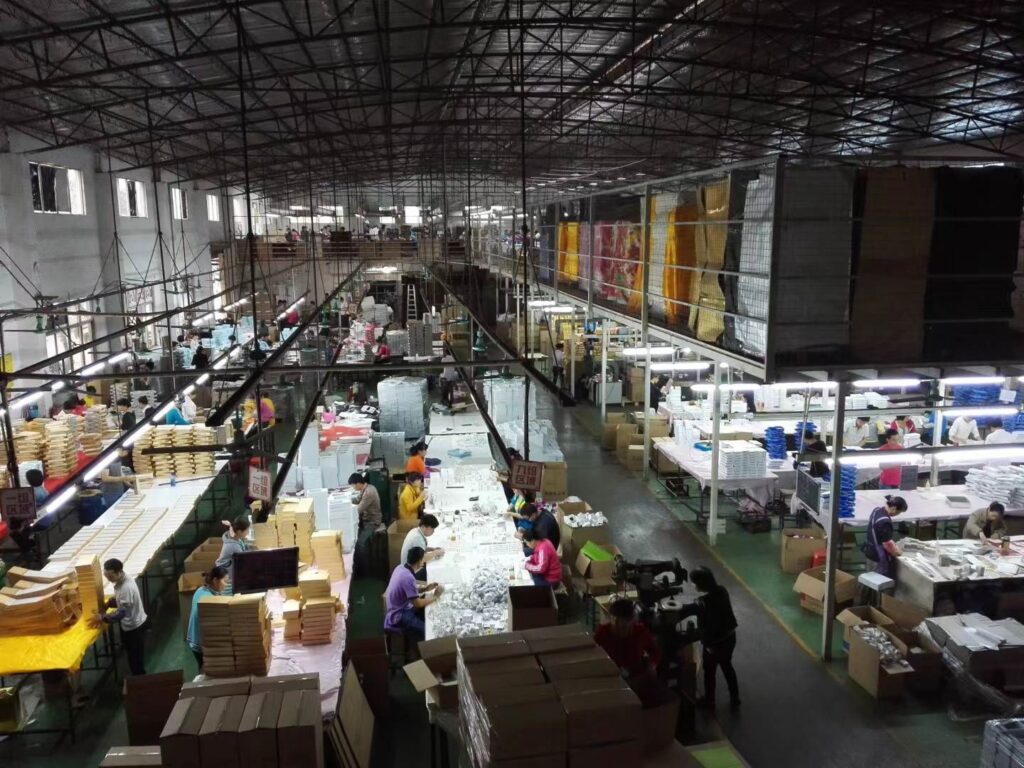
Define the appearance and function you need before selecting a finish. Share artwork, color references and the areas intended for foil, embossing, coating or another treatment. Confirm which combination is available for the selected material and approve the result on a physical sample.
Different products call for different packaging briefs. A cosmetic bottle needs a fit and opening review; a tea or coffee project needs a clear distinction between its primary pack and outer presentation. Bakery projects also need the intended food-contact and handling conditions. Describe the application so the proposed construction can be assessed against it.
Compare quotations on a defined specification. Include the box, insert, finish, assembly, tooling, sampling, outer packing and freight arrangements. Confirm minimum quantities, inspection criteria and the production schedule for the selected construction rather than assuming one offer applies to every order.
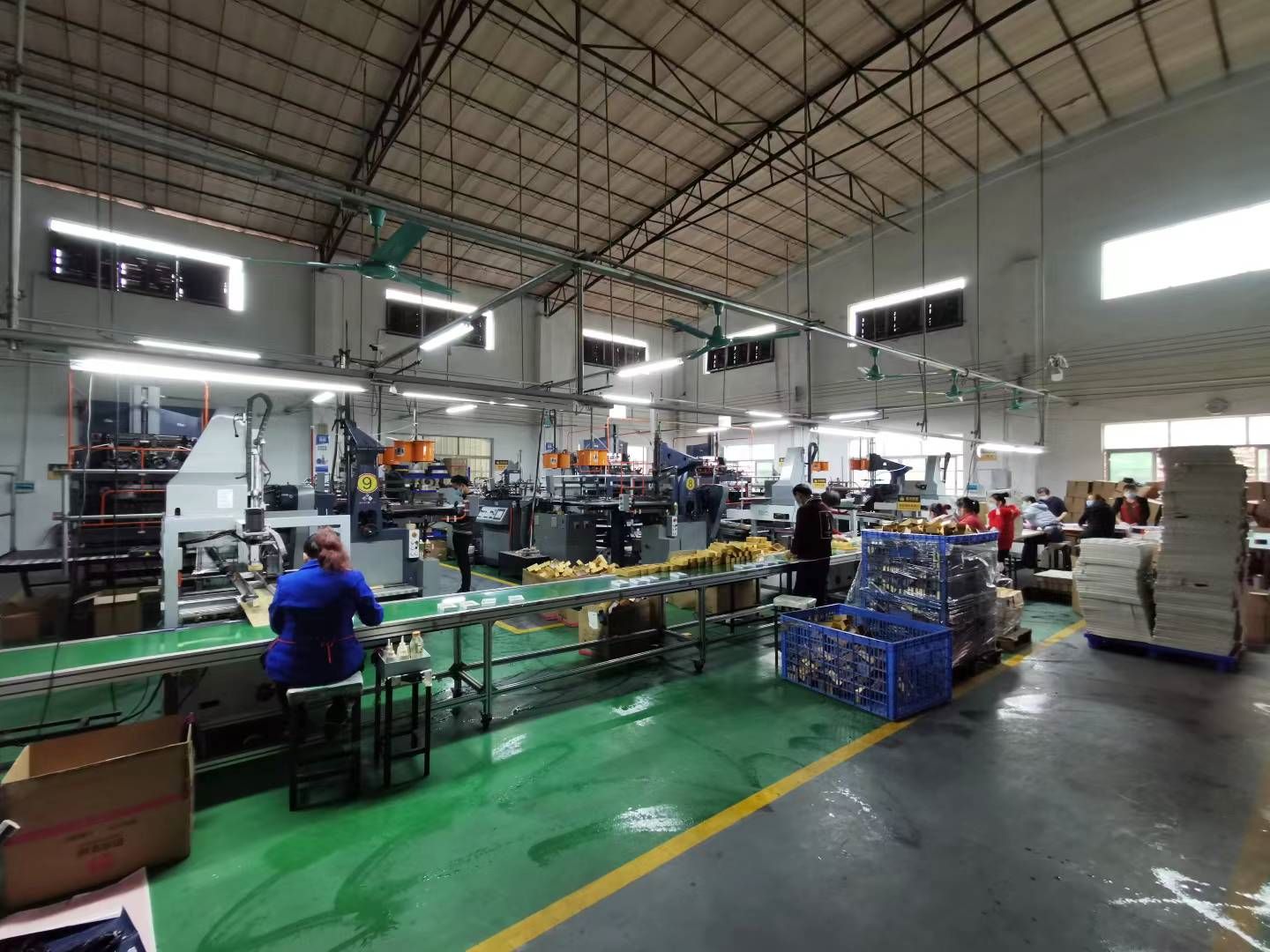
Less Packaging. More Care. is our direction for ongoing improvement. Discuss unnecessary layers, appropriate dimensions, product protection and practical material choices with the project team. Any certification, recycled-content or disposal claim needs supporting evidence for the complete proposed construction and destination market; this direction is not a certification or a measured environmental result.
Send Eastpkg® a clear product and order brief to start the review. Use the quotation page for requirements, compare sample review methods, or consult the materials and claims guide.
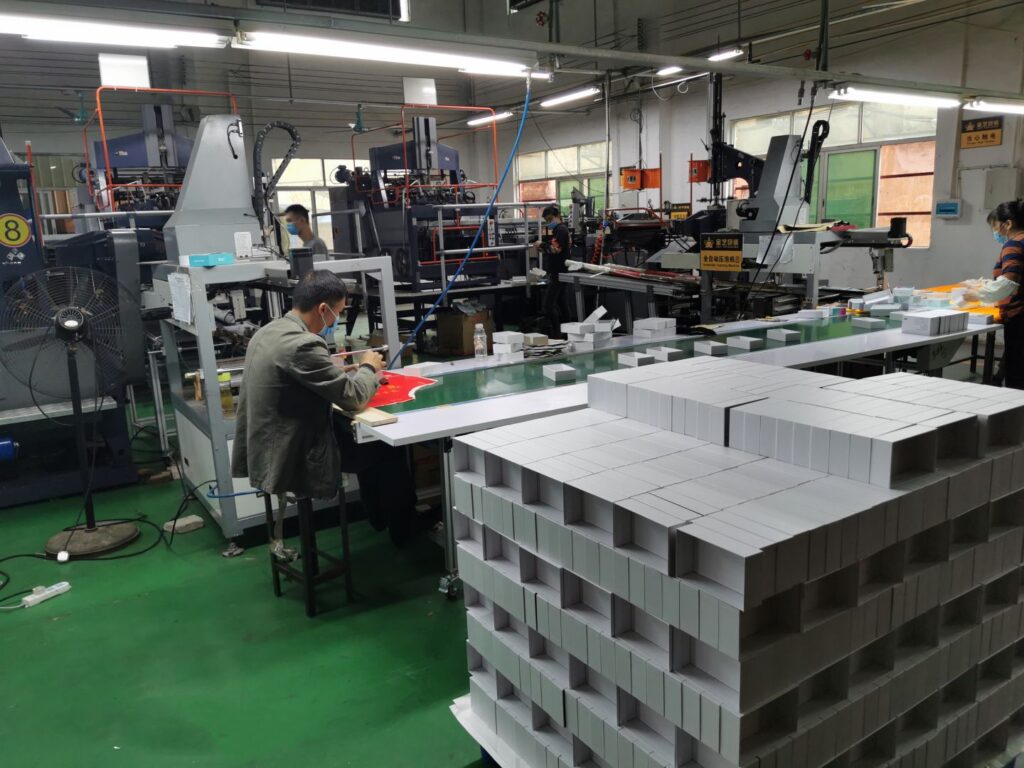

Review Your Packaging Project
Start with the decisions that matter
Start with the product dimensions, filled weight, intended use, quantity and destination. Identify the decisions you need help reviewing and the supporting records required for the proposed materials.
Agree the Project Scope
Define responsibilities and approval points
Agree the scope of design, sampling, production, inspection and shipping in the quotation. Record which items are included and which need separate confirmation before the order proceeds.
Check Feasibility on a Defined Brief
Review the design before production
Provide artwork and design references, then review the proposed construction for fit, opening, materials and finish. Confirm feasibility and sample criteria before committing to tooling or production.
Compare the Complete Order Cost
Use the specification as the comparison basis
Consider unit price alongside tooling, samples, assembly, storage, freight and handling requirements. Review trade-offs against the specification and approved sample rather than relying on a general savings or quality promise.
Prepare a Product-Specific Packaging Brief
Prepare the product details and the decisions your sample needs to support. Review the requirements below before confirming the specification and quotation.
Define the Packaging Task
Describe the product and its packing process so the proposed structure can be reviewed against the actual use. Include dimensions, weight, opening preference and any insert or accessory.
Review Material Evidence
Request the exact board, wrap, coating, adhesive and insert details. Material names alone do not establish certification, food-contact suitability or environmental performance.
Specify Artwork and Finish
Provide artwork, color references and decorative details. Confirm the selected construction and finish on an approved sample rather than assuming every style can be produced.
Agree Sample Approval Criteria
Agree the sample type, review criteria and any differences from the intended production method. Retain the approved specification and reference for order inspection.