packaging sample prototyping

Packaging Sample Prototyping: Check Fit, Materials and Artwork

Start with the decision your sample needs to support: visual layout, physical fit, material selection or production finish. Compare the sample types below, then discuss which method is available and appropriate for your project. Confirm the sample specification, fees and timing before proceeding.

Choose a Sample for the Decision You Need to Make

A digital rendering can help review appearance and artwork placement; a physical sample is needed to assess fit, handling and material feel. For luxury rigid boxes, check the opening, closure and product removal as well as the exterior finish. Preparing a fragrance project? Use the perfume box selection guide to define the bottle and insert requirements before requesting a sample. Confirm any differences between the sample and the intended production pack.

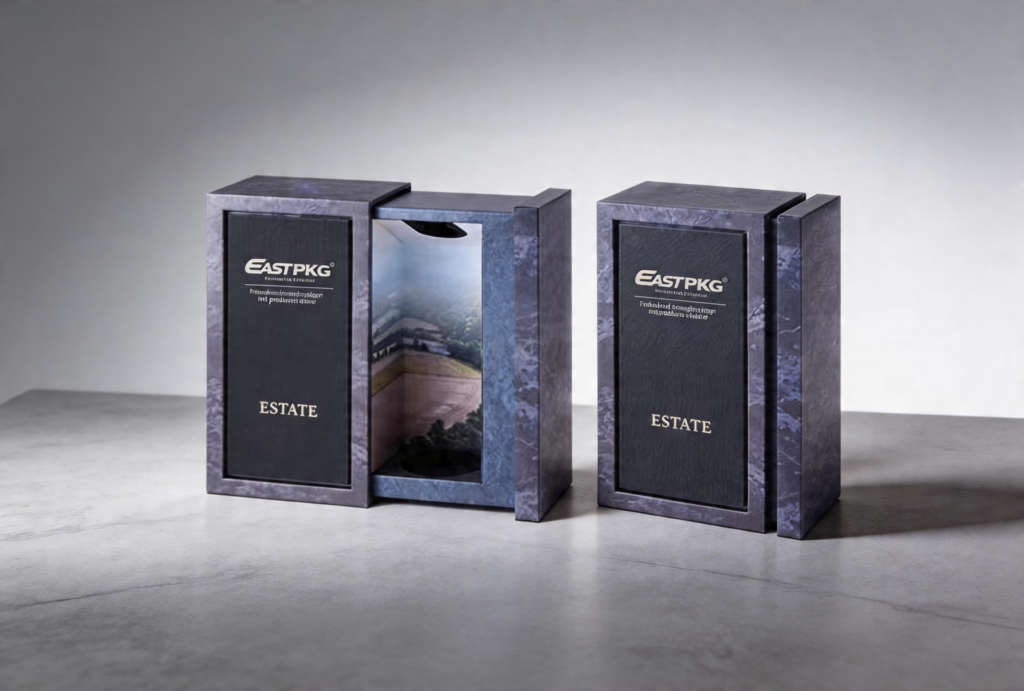
Interactive 3D Sample

Interactive 3D Sample

A digital rendering can help review appearance and artwork placement. It does not establish physical fit, material feel or transport protection. Confirm the file or viewing method and any differences from the proposed construction.
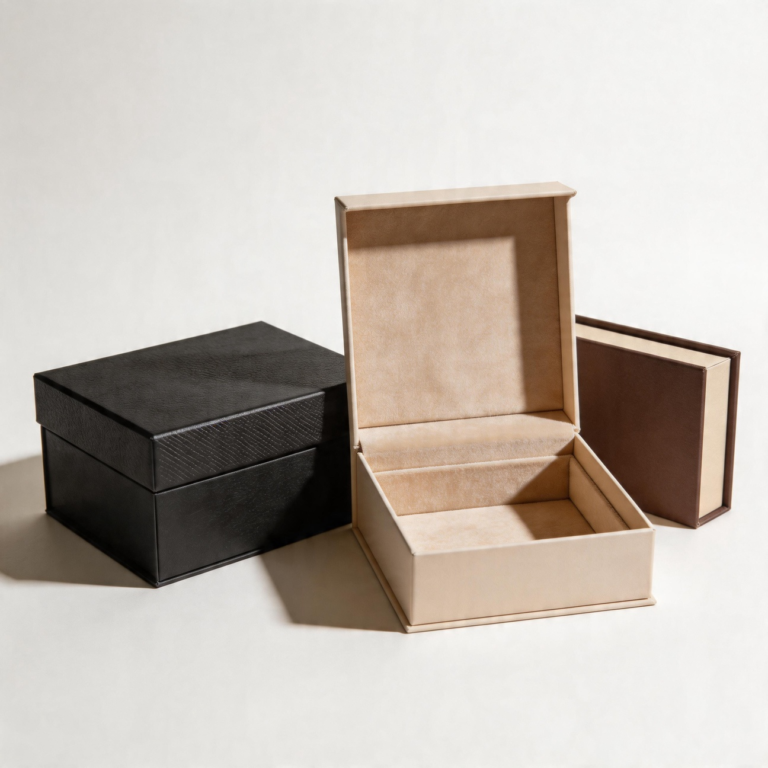
Plain Sample

Plain Sample

An unprinted physical sample can support a review of dimensions, opening and product fit. Confirm which materials it uses and whether any differ from the proposed order; it does not demonstrate the final print or decorative finish.
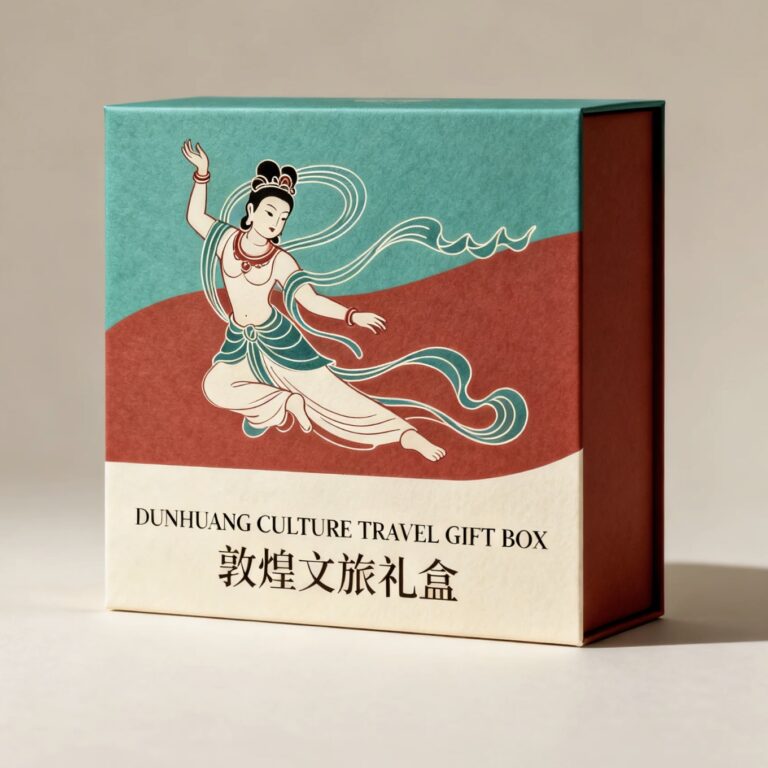
Digital Sample

Digital Sample

A digitally printed and cut sample can help review artwork position and the overall layout. Confirm its material and process, and record differences from planned production printing, tooling and finishing before approving the order.
Production Sample

Production Sample

A sample intended to represent the agreed production specification. Confirm its materials, printing method, tooling and finishes, and record any differences from the planned order. Use it as an approval reference alongside agreed tolerances and inspection requirements; it is not independent proof of compliance or transport performance.
Make Informed Decisions at Every Step

Share the product dimensions and weight, intended box style, artwork, destination and the questions you need the sample to answer. Confirm the sample method, materials, fees and timing for your specific project before proceeding.

Make material requirements specific.

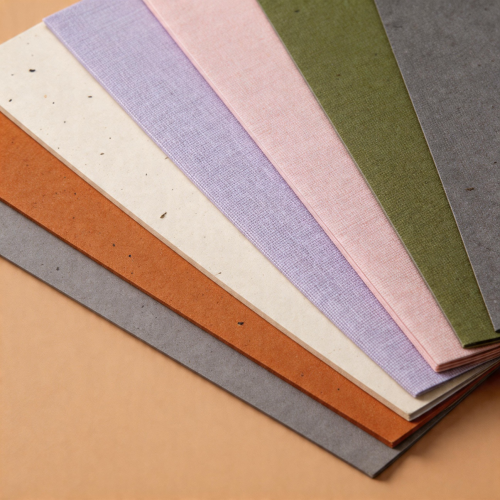
For recycled content, certified materials or end-of-life claims, request evidence covering the proposed components and relevant supplier. Review coatings, adhesives, windows and inserts as well as the paperboard, and consider collection and processing conditions at the destination.

Define Sample Approval Criteria

Use the approved sample as a reference for the agreed specification. Record the materials, dimensions, artwork version and finish details, together with acceptable variation and inspection requirements. A sample review supports approval decisions; it does not replace checks on the production order or the complete shipping pack.

Smart material applications

Feature 1 — Review Material Evidence

Describe the product, storage conditions and intended market so the proposed material can be assessed for that use. If packaging will contact food or needs a particular performance claim, request documentation for the exact material and construction. Review board, wrapping paper, coatings, adhesives and inserts together; appearance or a material name alone is not evidence of suitability.

Feature 2 — Structure and Size Validation

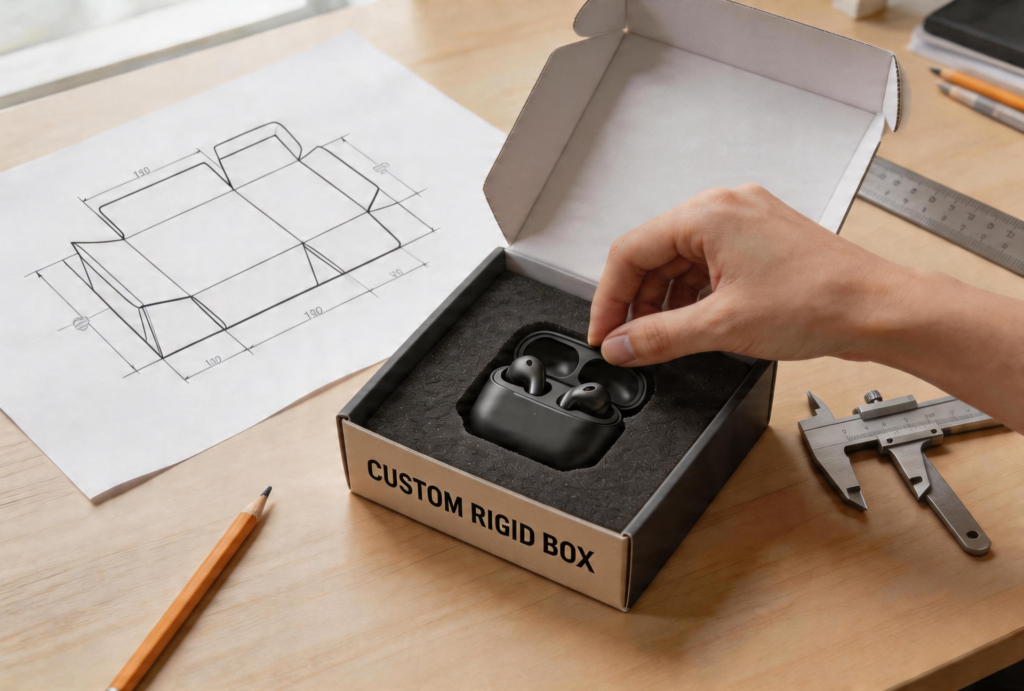
Check the sample with the actual product, including caps, closures and any accessories. Record internal dimensions, agreed tolerances, insertion and removal, and clearance around fragile or easily marked areas. For multi-item packs, check each component separately and review the complete arrangement before approval.

Structure and size validation
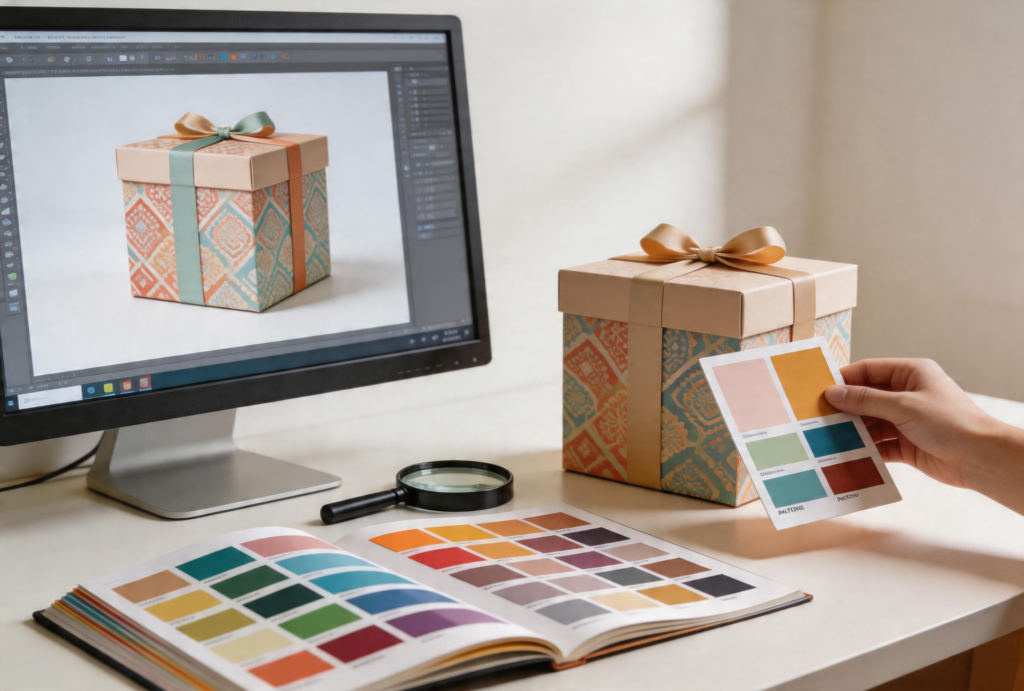
Stringent proofing & color matching

Feature 3 — Check Artwork, Color and Finish

Check the artwork version, small text, barcodes, color references and the position of decorative finishes. Confirm which printing process and materials the sample uses, and record any differences from the planned production method. Keep the approved reference and agree on acceptable color and finish variation before production.

Keep a Written Sample Approval Record

Record what was approved, the sample date, the artwork version and any differences from the intended production specification. Include dimensions, materials, color references, finishes and agreed tolerances. Confirm unresolved items before production and retain the approved reference for inspection.

Ready to discuss a packaging sample? Send Eastpkg® your product dimensions, artwork or design references, intended use, destination and target schedule. Include the materials, finishes and documentation you require so the proposed sample scope, fees and timing can be confirmed for your project.