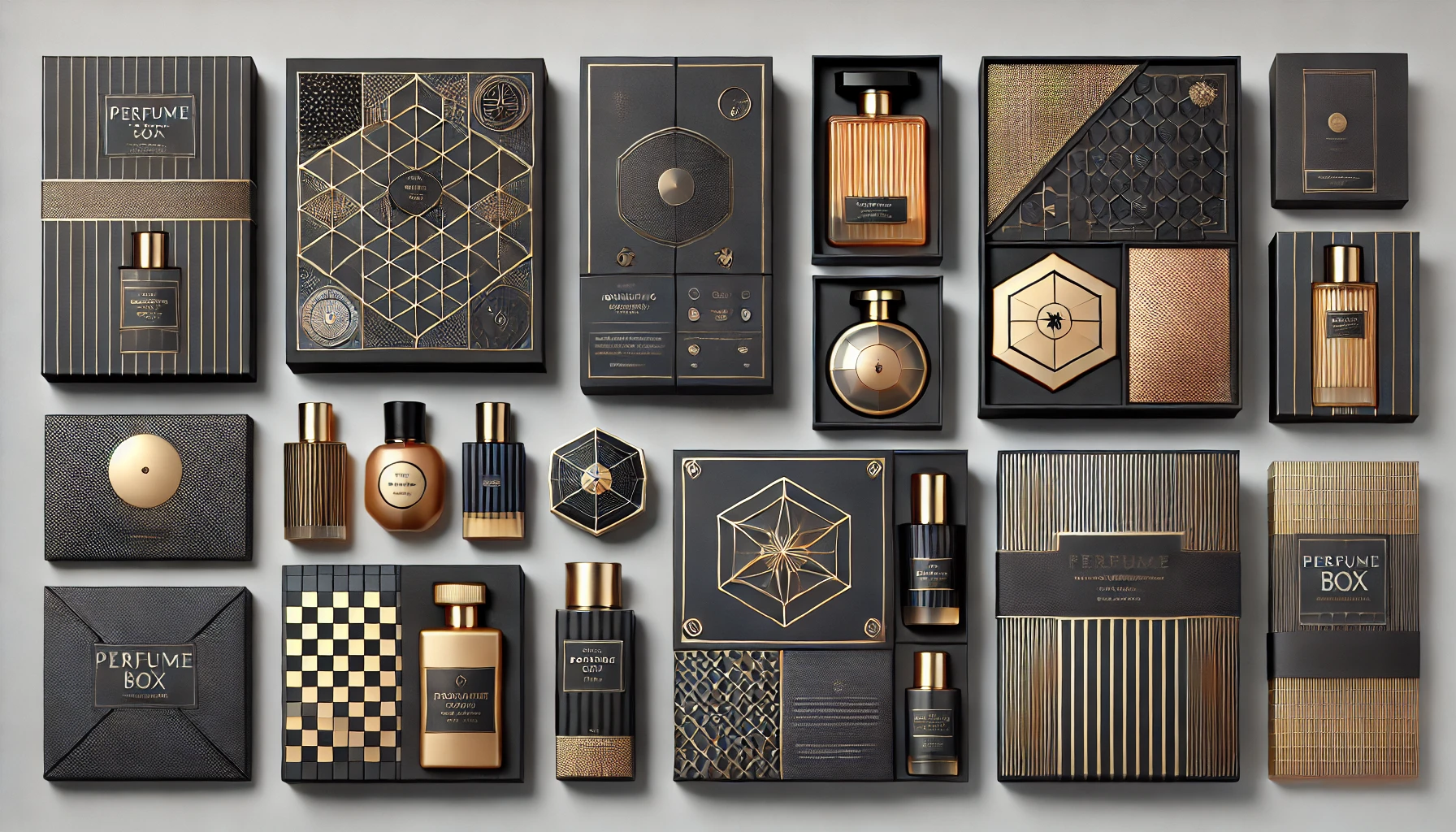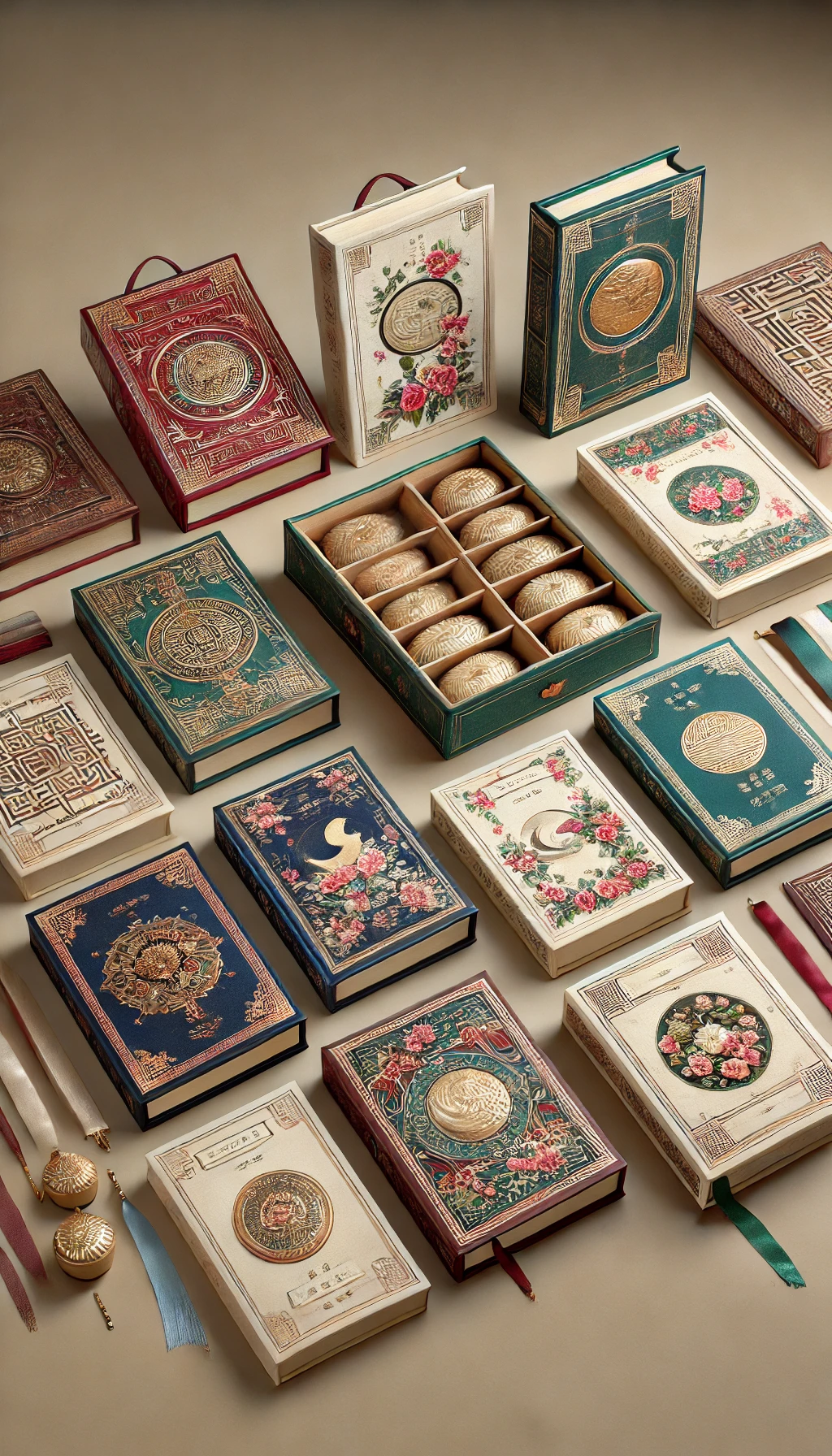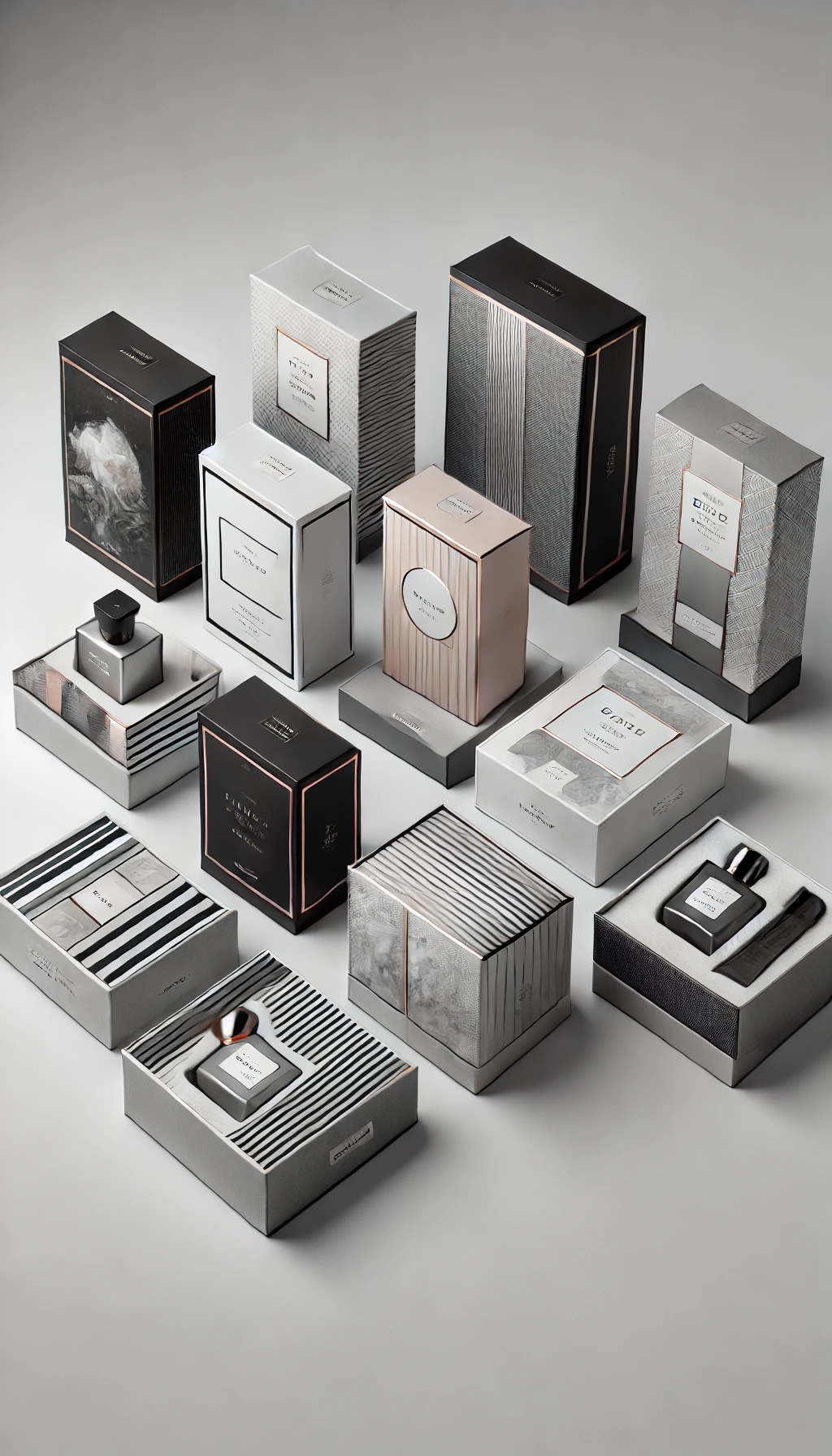
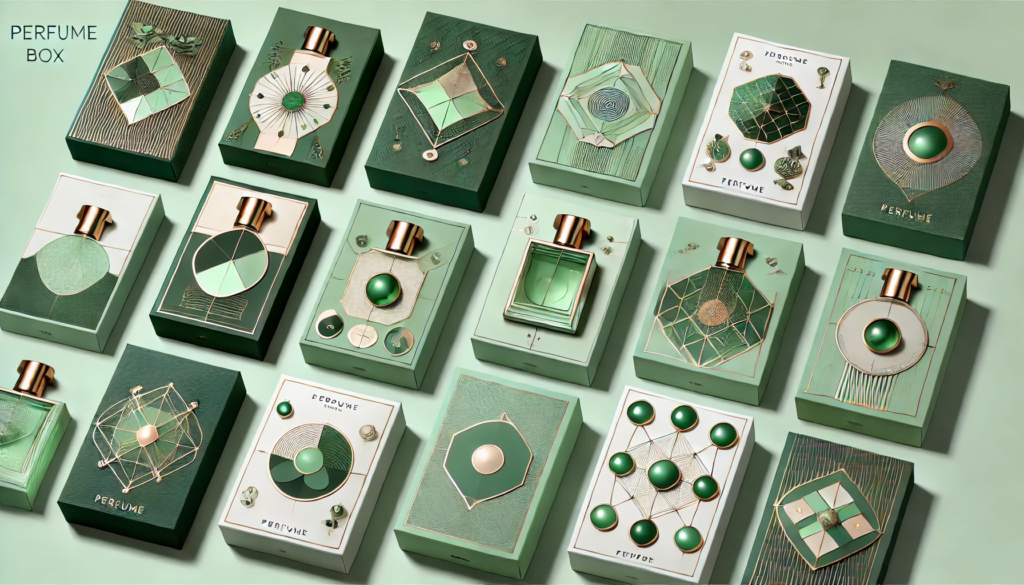
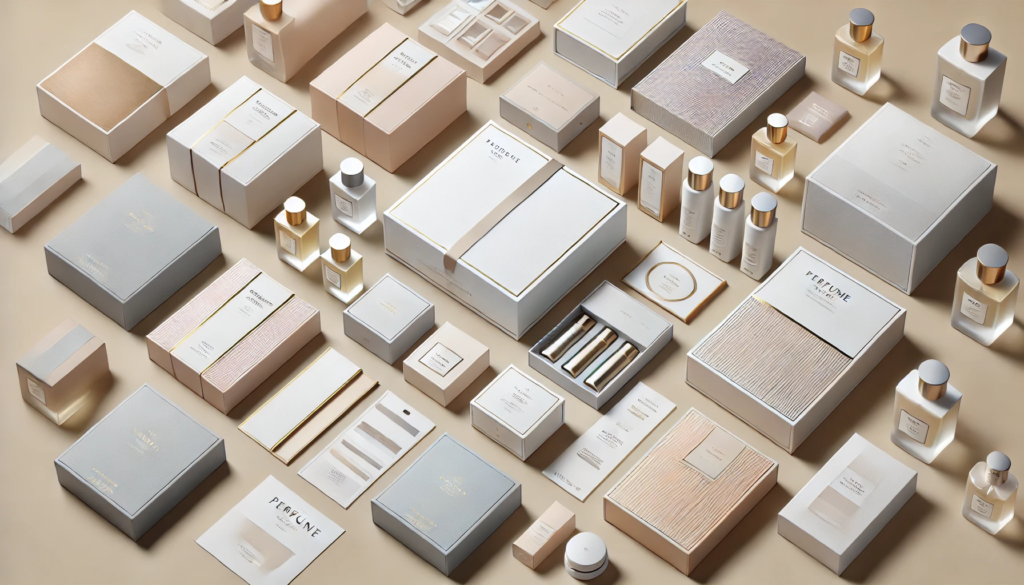
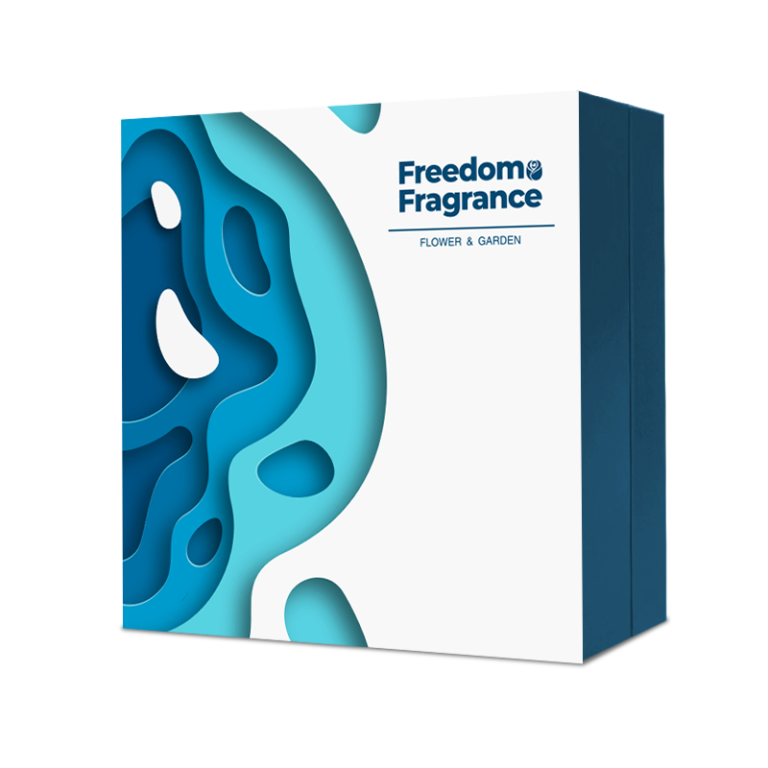
Custom Packaging Design
Compare structure, dimensions and artwork placement for your product.
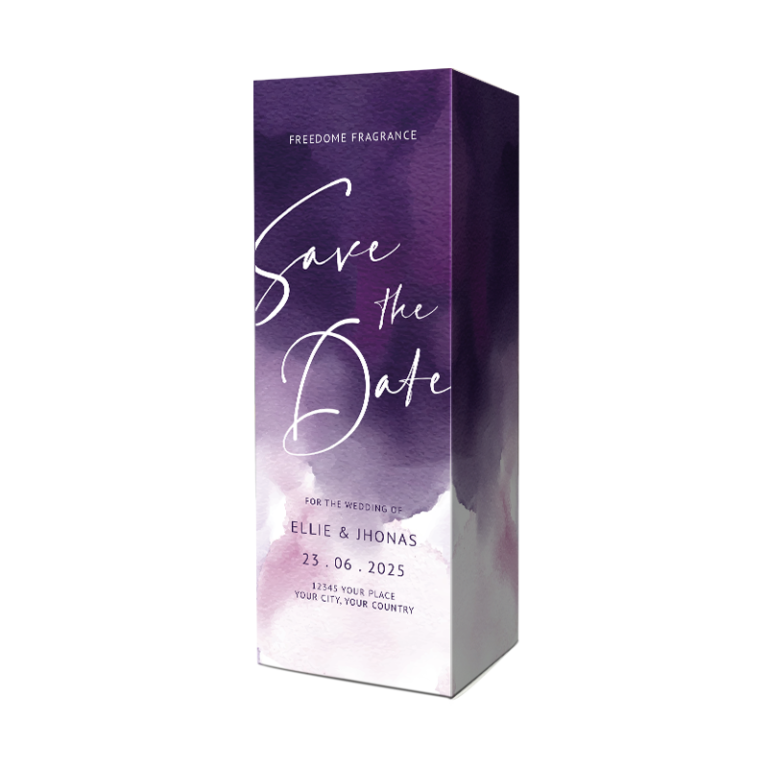
Packaging Material and Recycling Review
Review the complete material structure and destination recycling requirements.
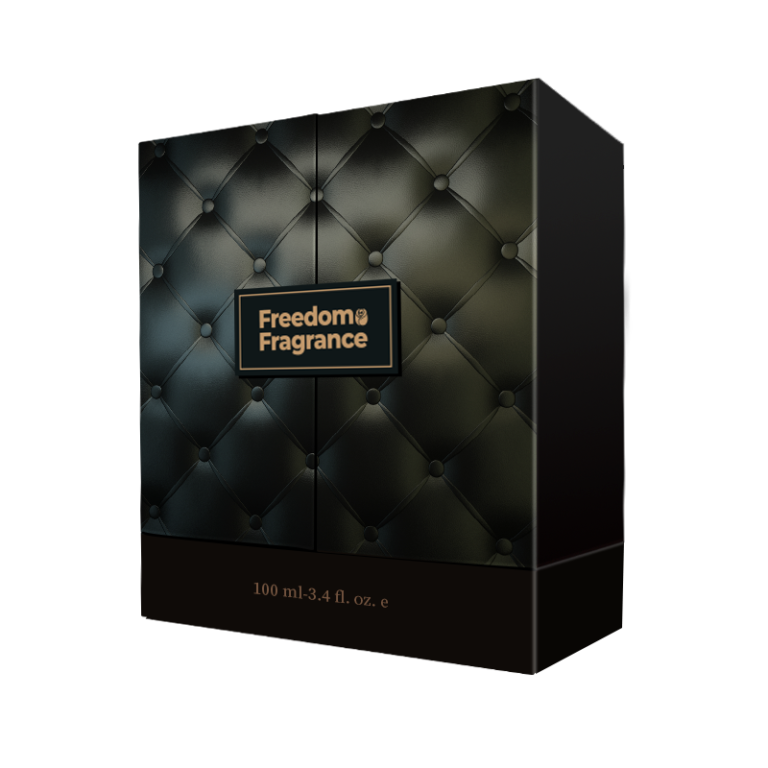
Wrapped Presentation Box Design
Compare wrap appearance, corner detail and the material specification.
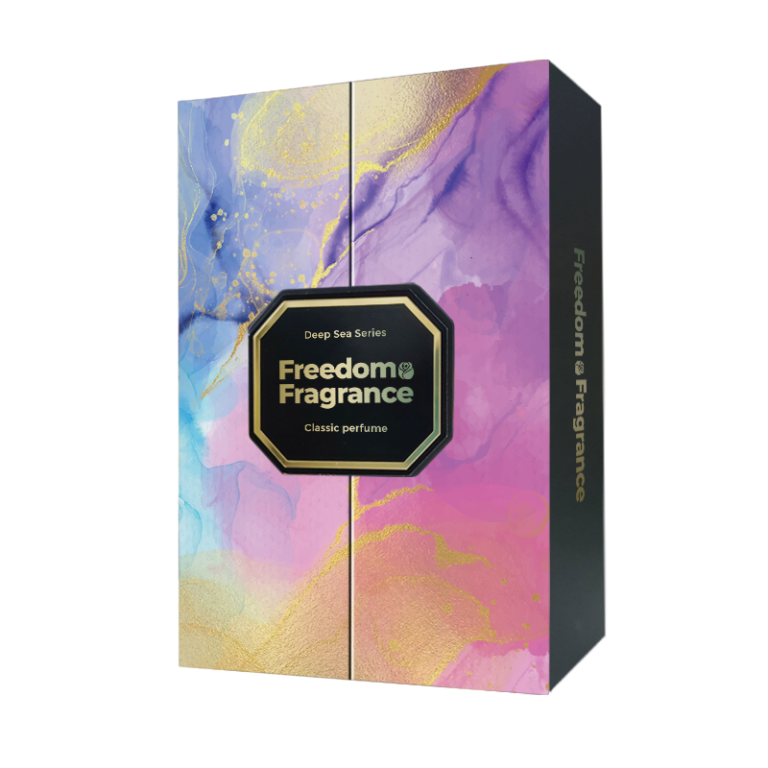
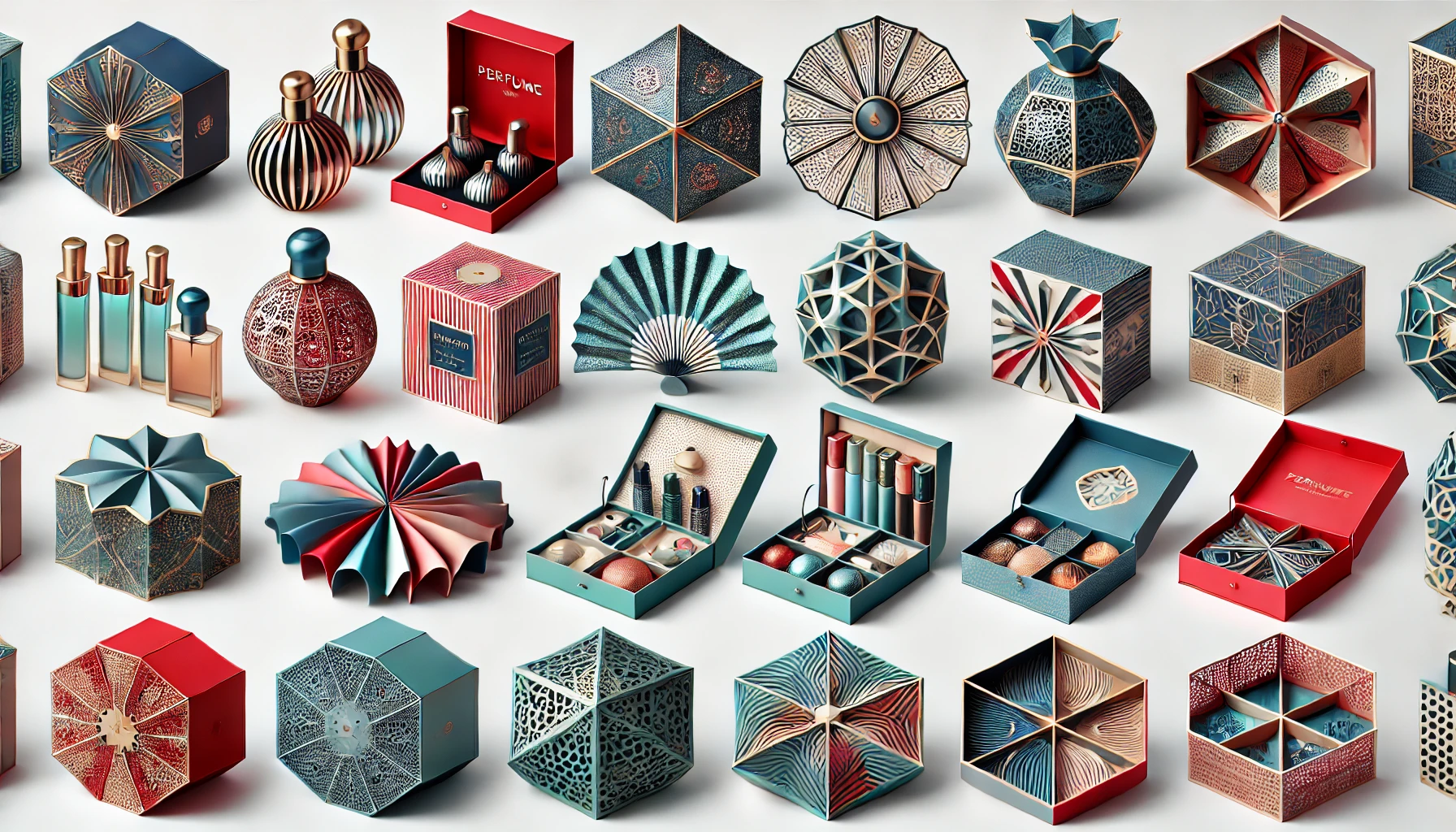
Colorful Packaging
Plan color references and artwork contrast at the final printed size.
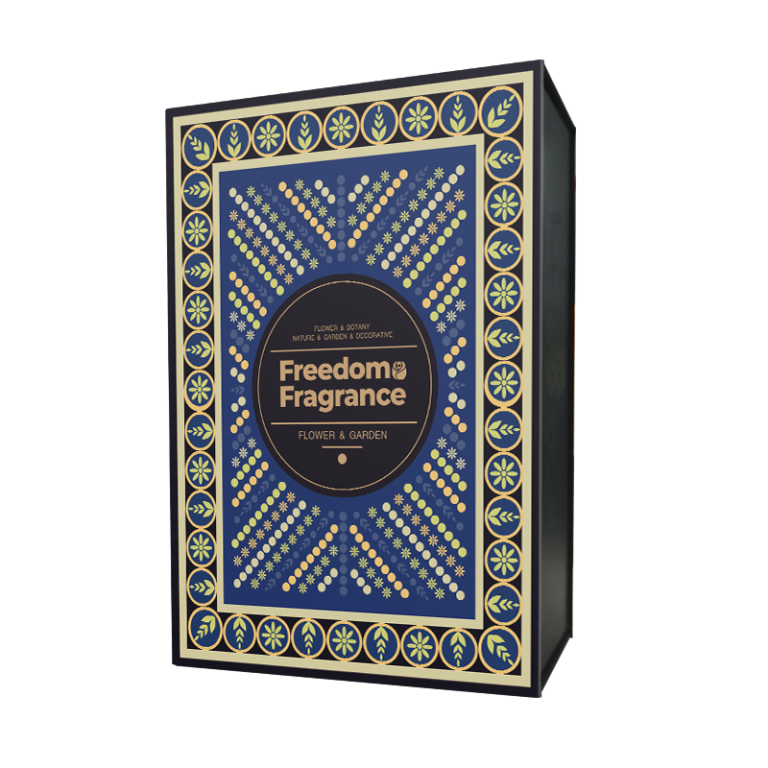
Foil-stamped Luxury Box Design
Mark the intended foil areas and check fine detail on the sample.
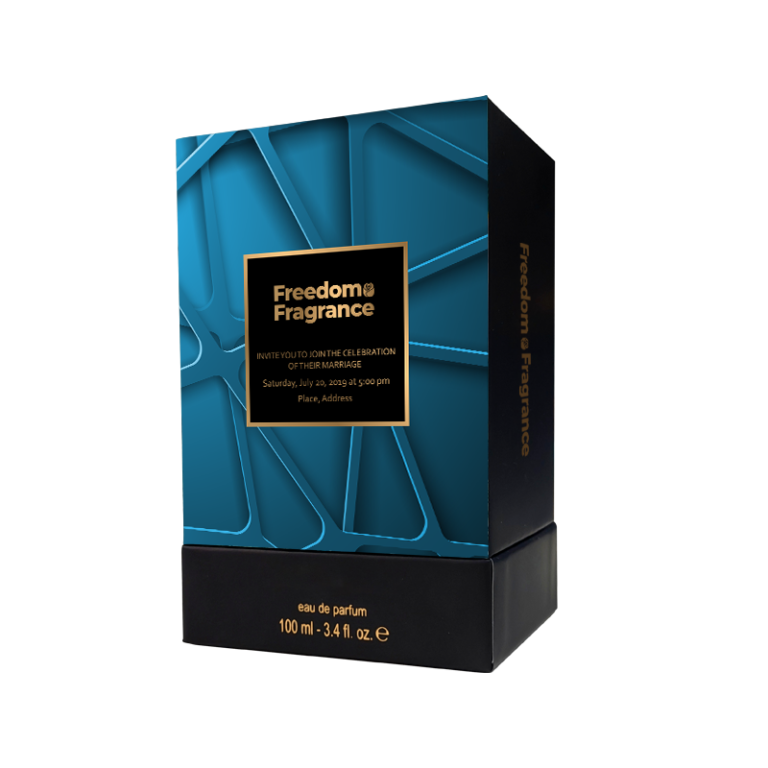
3D Embossing Design Box
Specify the raised pattern and review its position against the artwork.
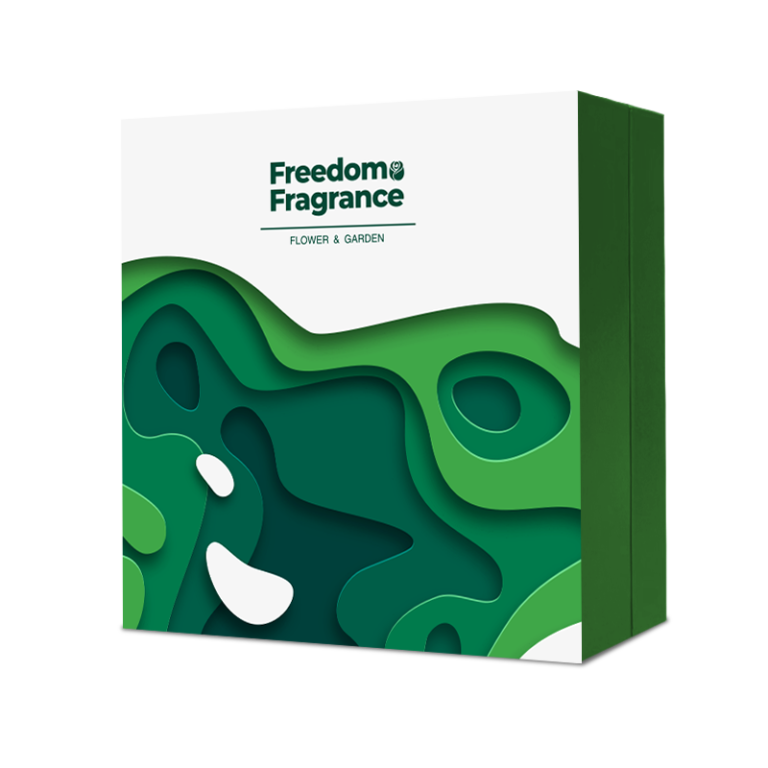
Window Cutout Box Design
Review the window position, product visibility and proposed window material.
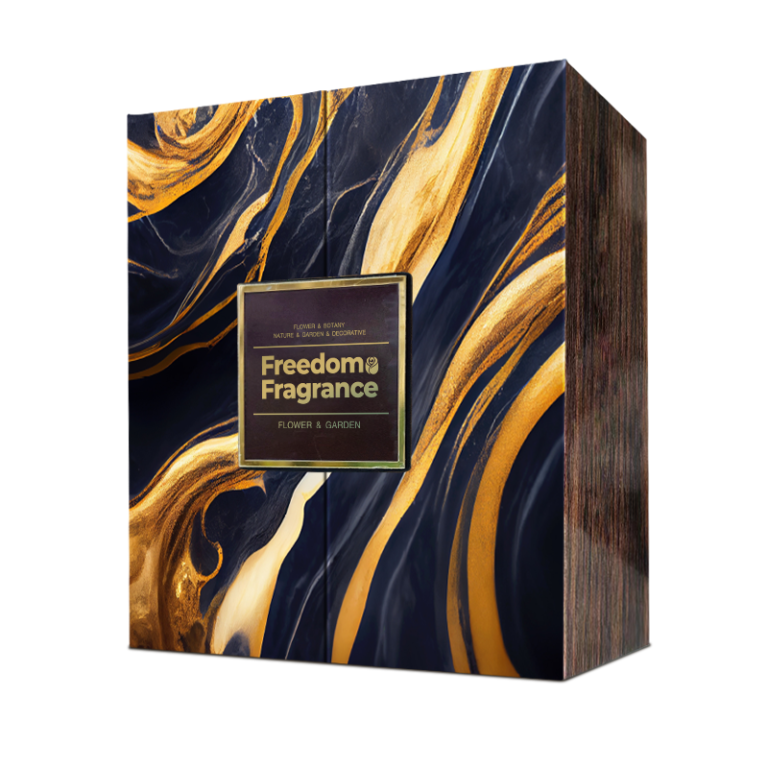
Packaging Material Options
Compare material options and request evidence for any environmental claim.
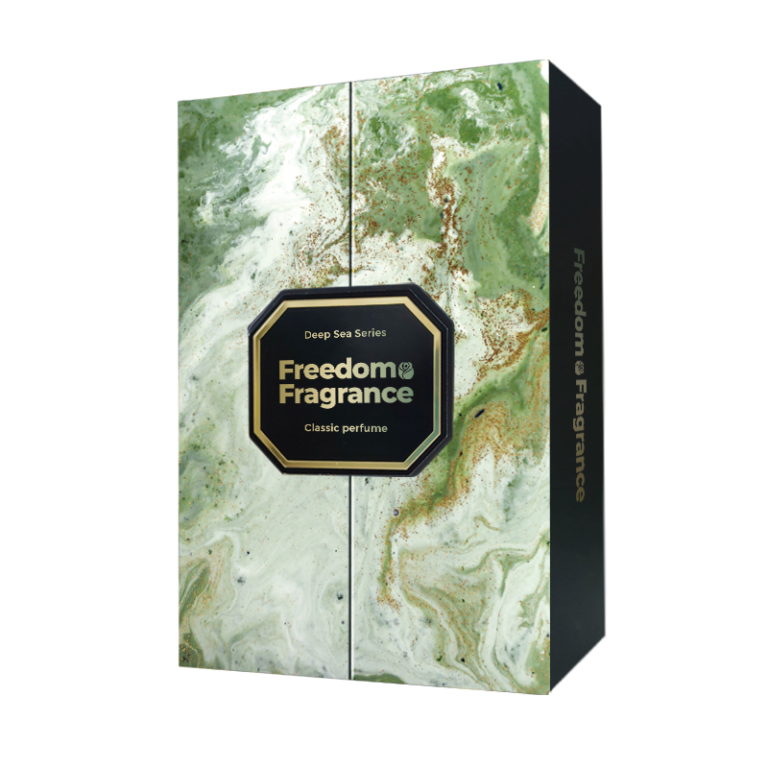
Holiday Gift Box Design
Plan seasonal artwork, pack quantity and the required project schedule.
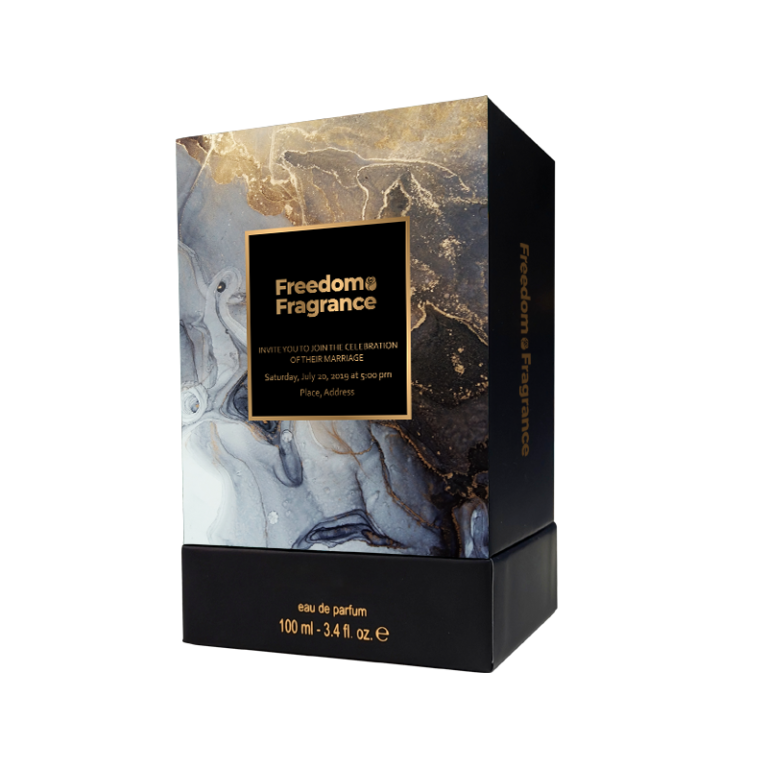
Custom Packaging Design For Small Business
Discuss quantity, sample scope and the cost components of the proposed pack.
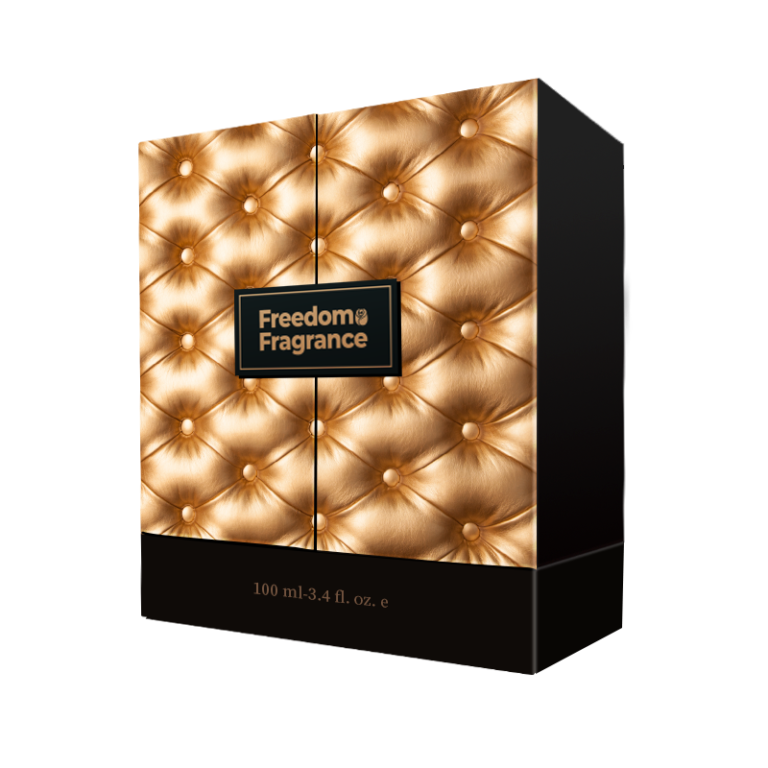
Wrapped Box Material Design
Confirm the wrap material rather than relying on its visual appearance.
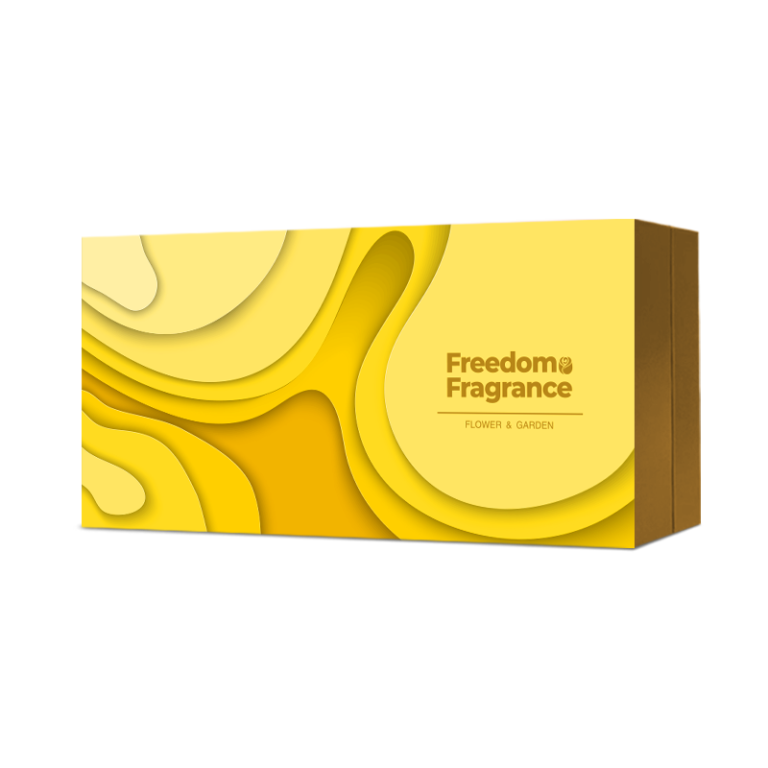
Gift Box With 3D Embossing
Review the relief pattern, artwork alignment and sample acceptance criteria.
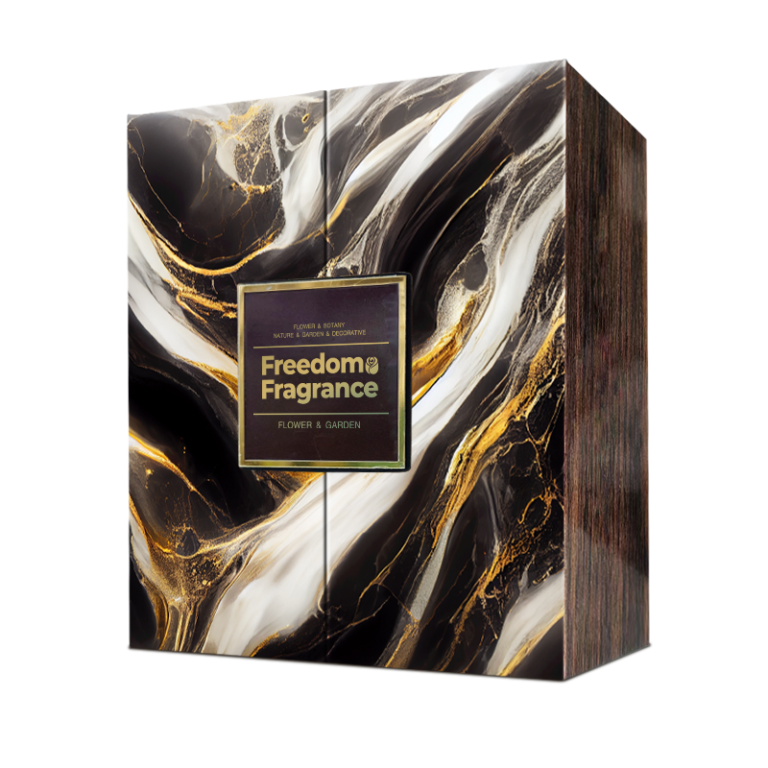
Luxury Magnetic Closure Box
Check the opening, closure and product fit using the agreed sample.
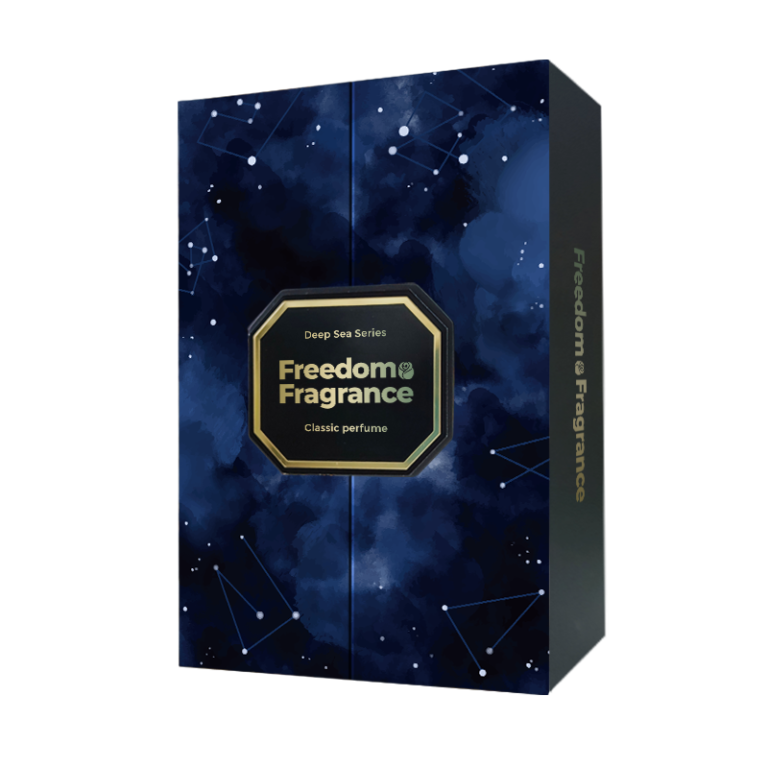
Custom Printed Rigid Box Design
Confirm print files, color references and artwork version before approval.
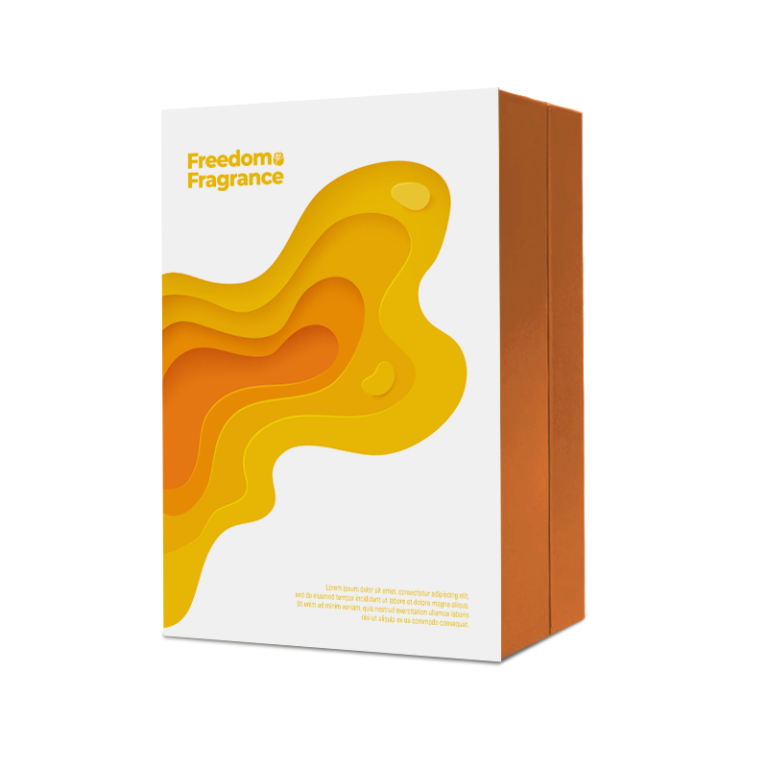
Luxury Packaging Design
Compare presentation, product protection and assembly requirements.
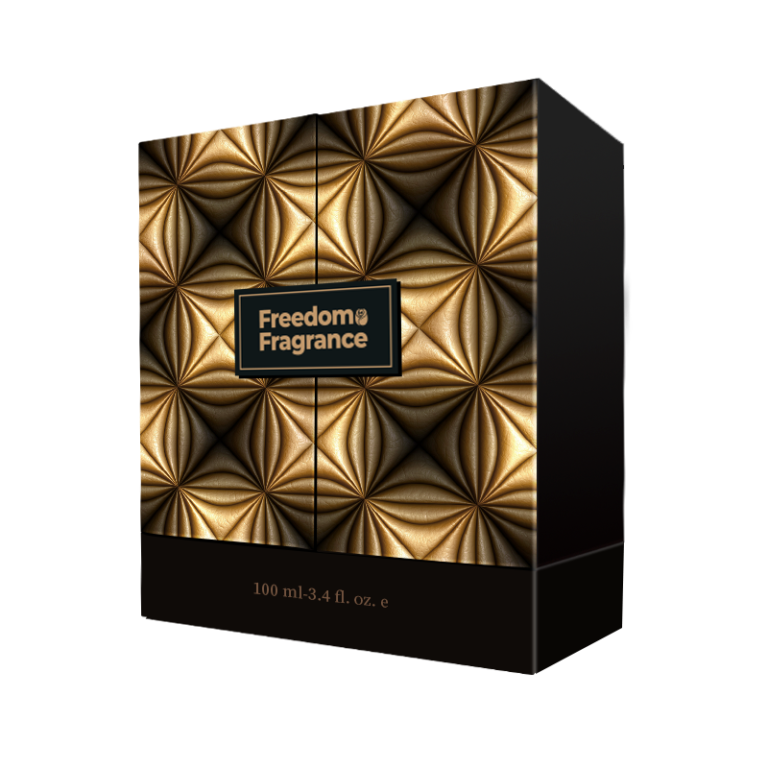
Foil Pattern Box Design
Discuss the foil pattern and the production method proposed for it.
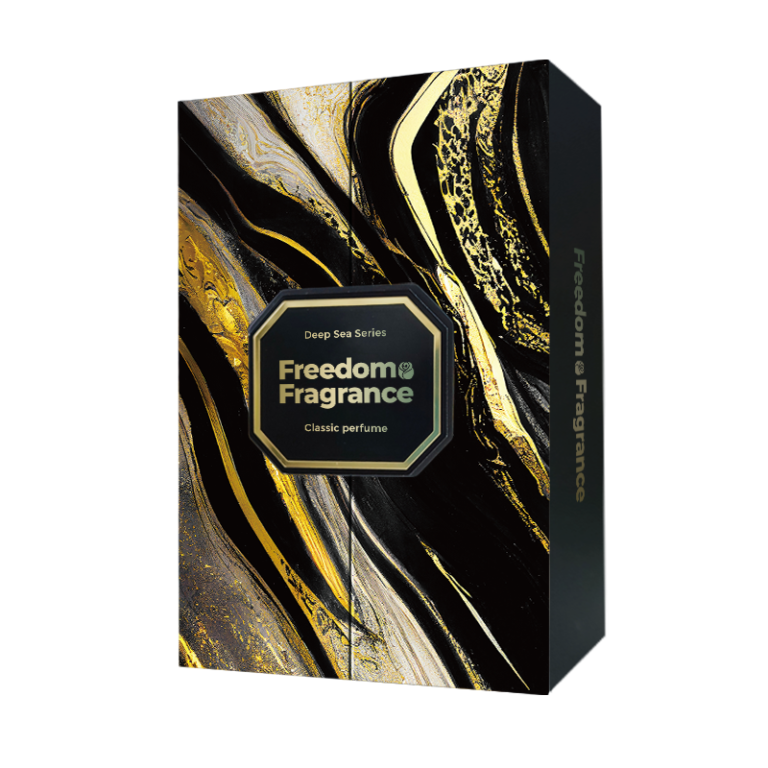
Custom Rigid Box With Metal Plate
Review the plate size, attachment method and complete material structure.
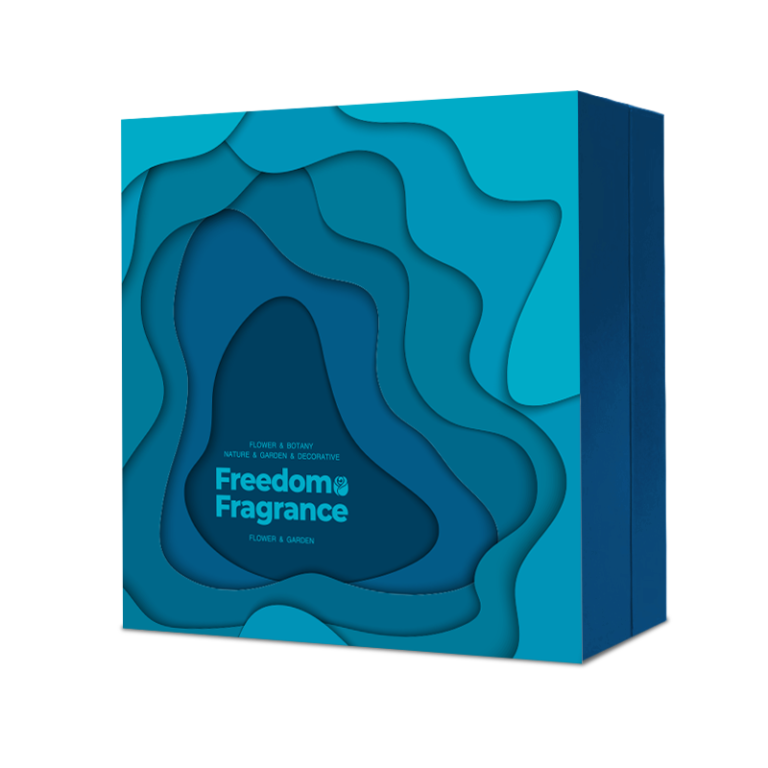
Innovative Packaging Design
Compare opening styles against the product dimensions and handling needs.
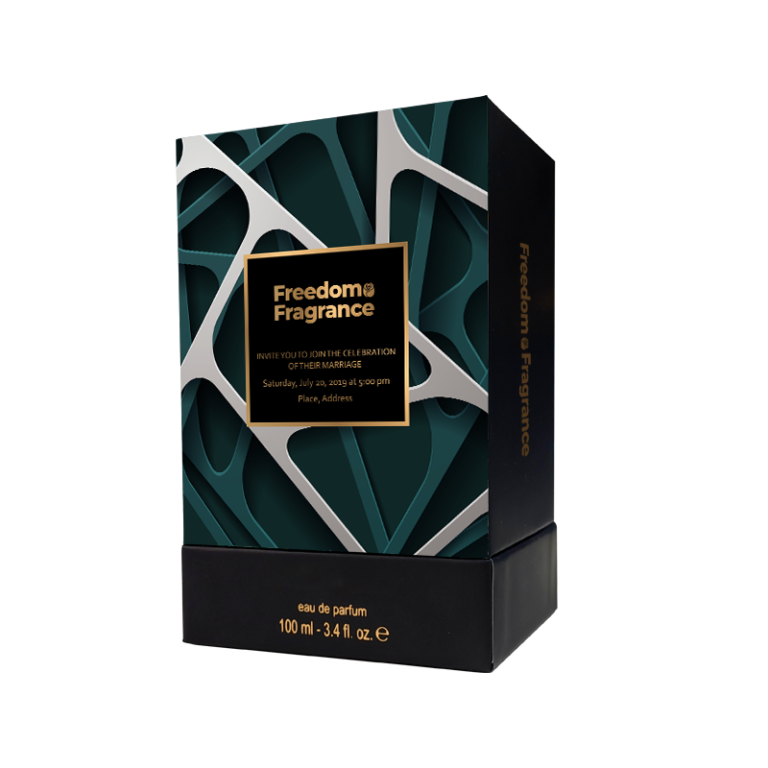
Special Design Packaging Box
Discuss the intended shape and how the pack will be assembled.
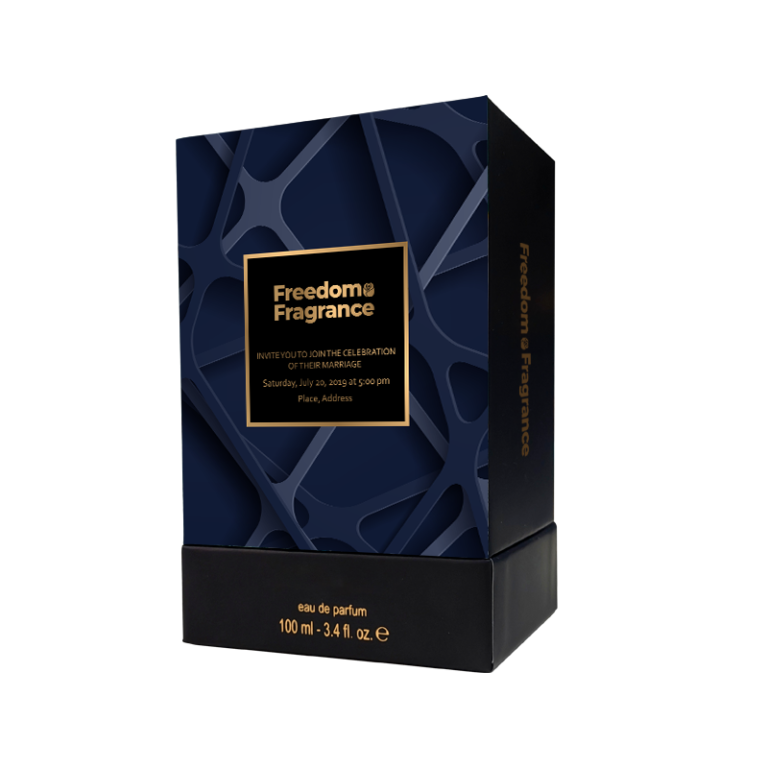
Interactive Packaging Design
Review how the proposed opening or moving parts work on a physical sample.
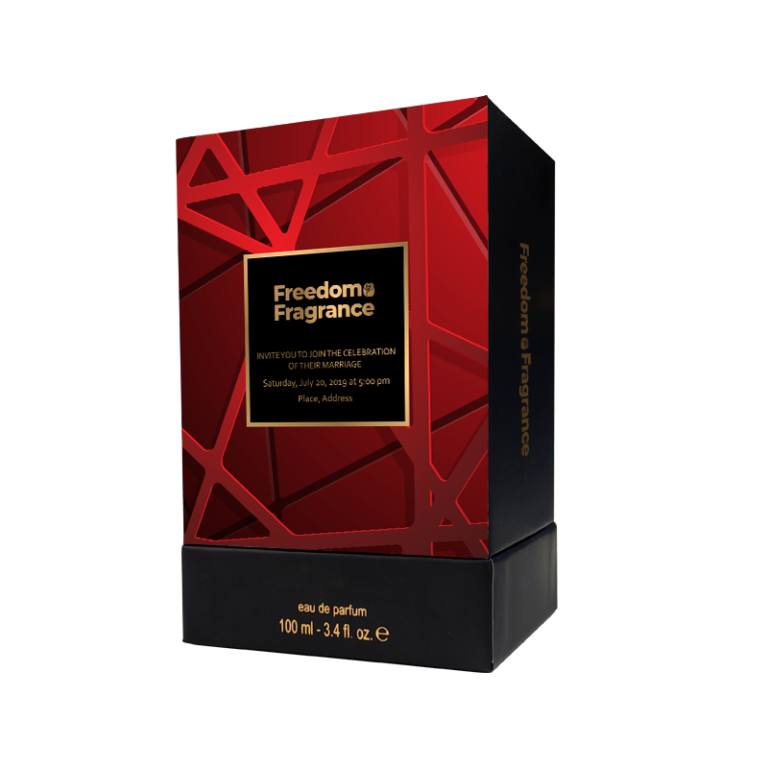
Structural Packaging Design
Prepare dimensions, product weight and insert requirements for structural review.
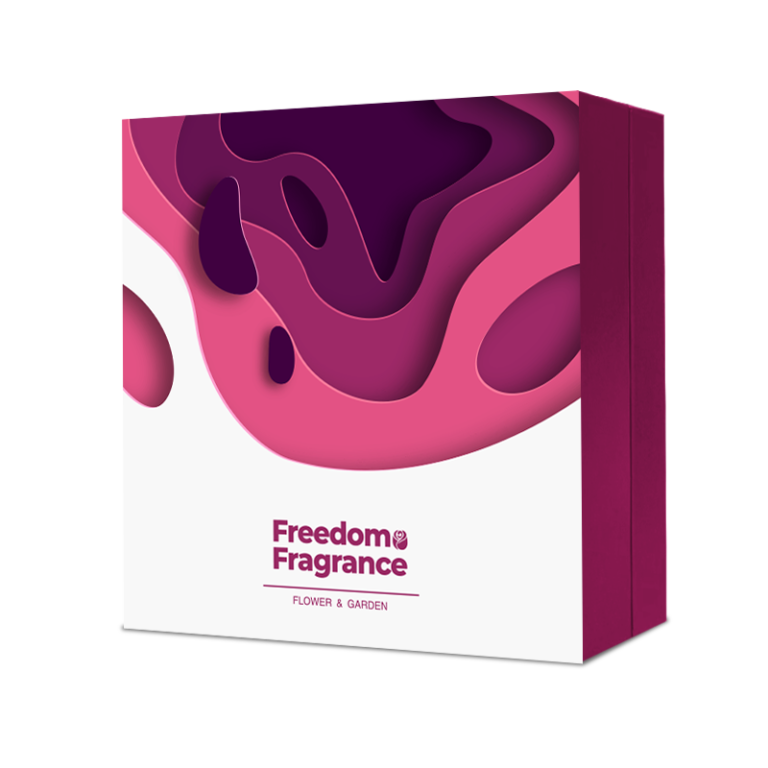
Cutout Packaging Design
Discuss cutout shape, edge detail and the proposed production method.
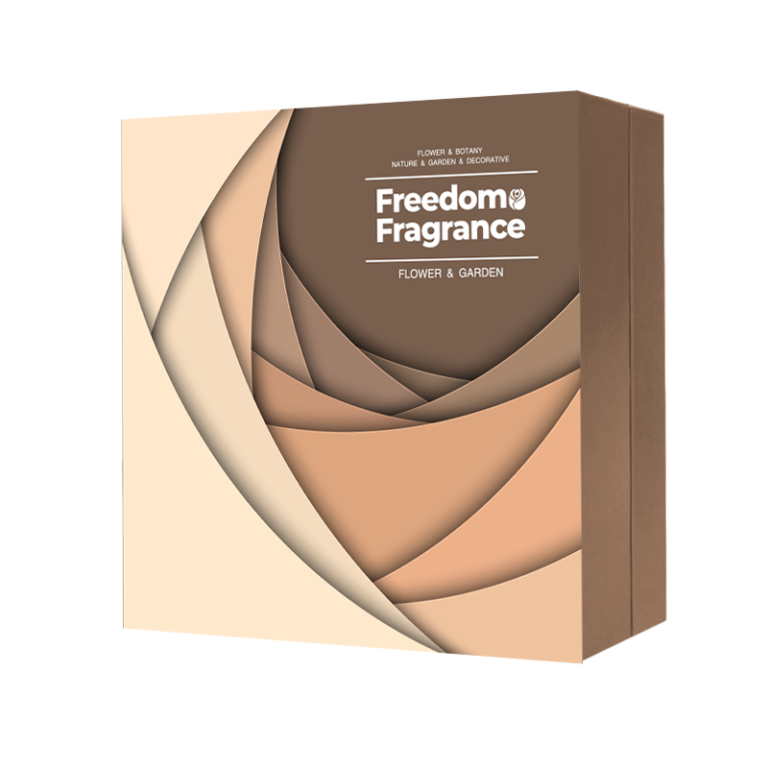
Smart Packaging Design
Define the intended feature and the evidence needed to assess it.
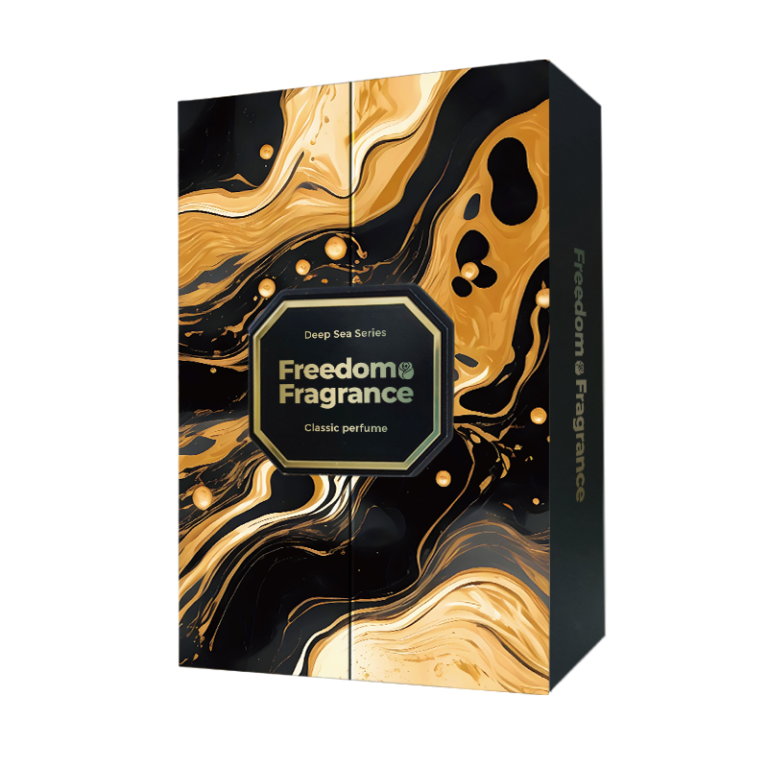
Spot UV Printed Box Design
Mark spot-finish areas separately and check registration on the sample.