
Description
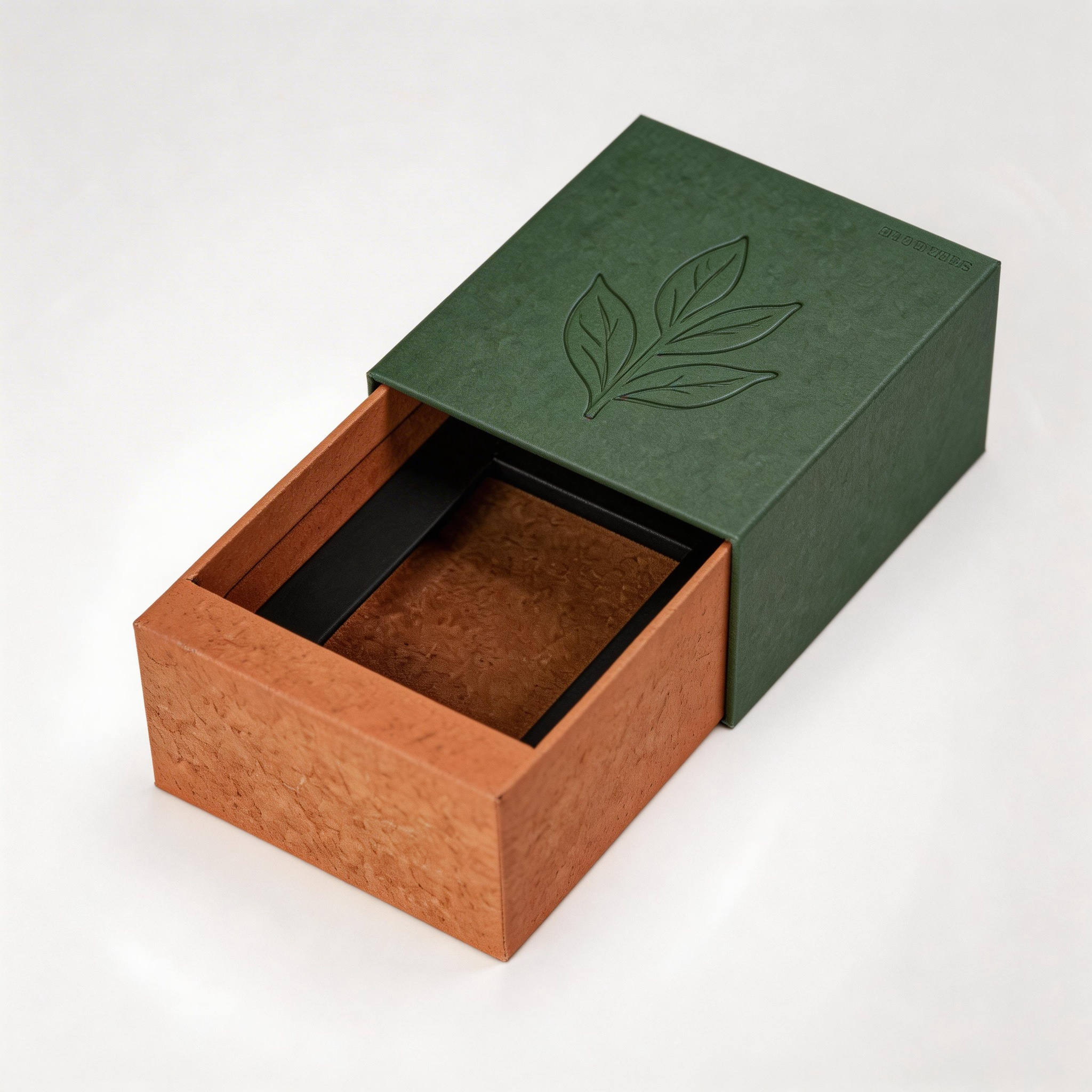
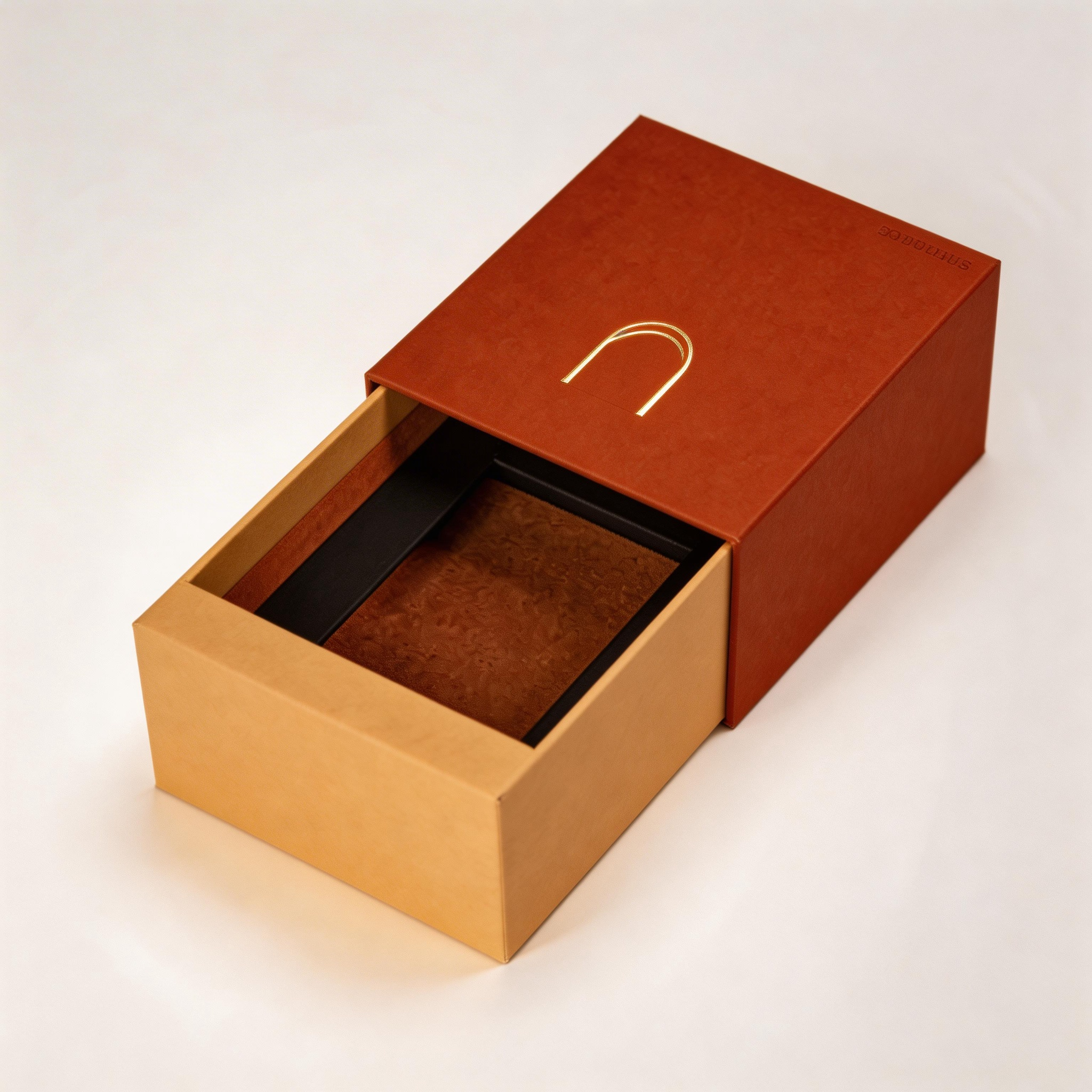
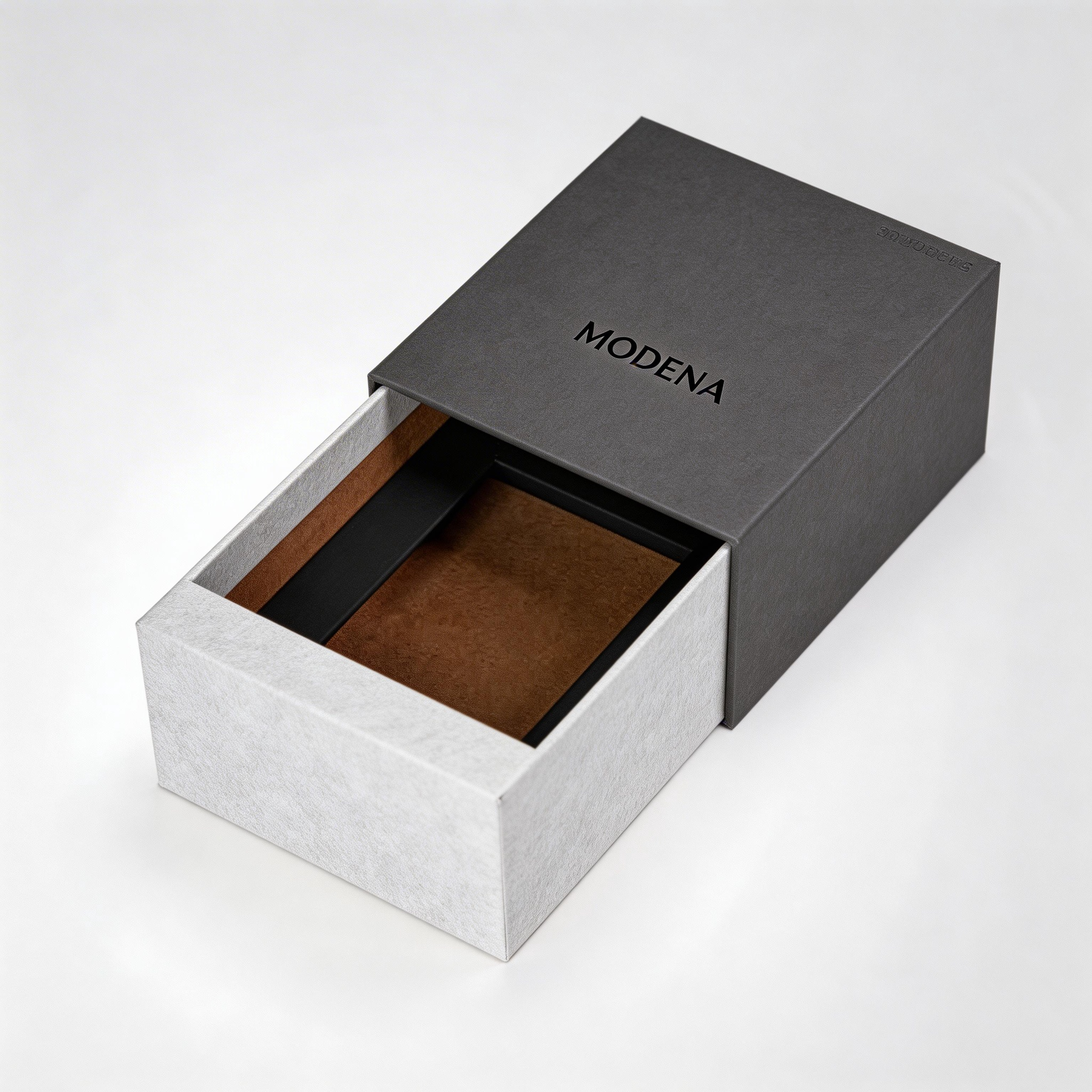
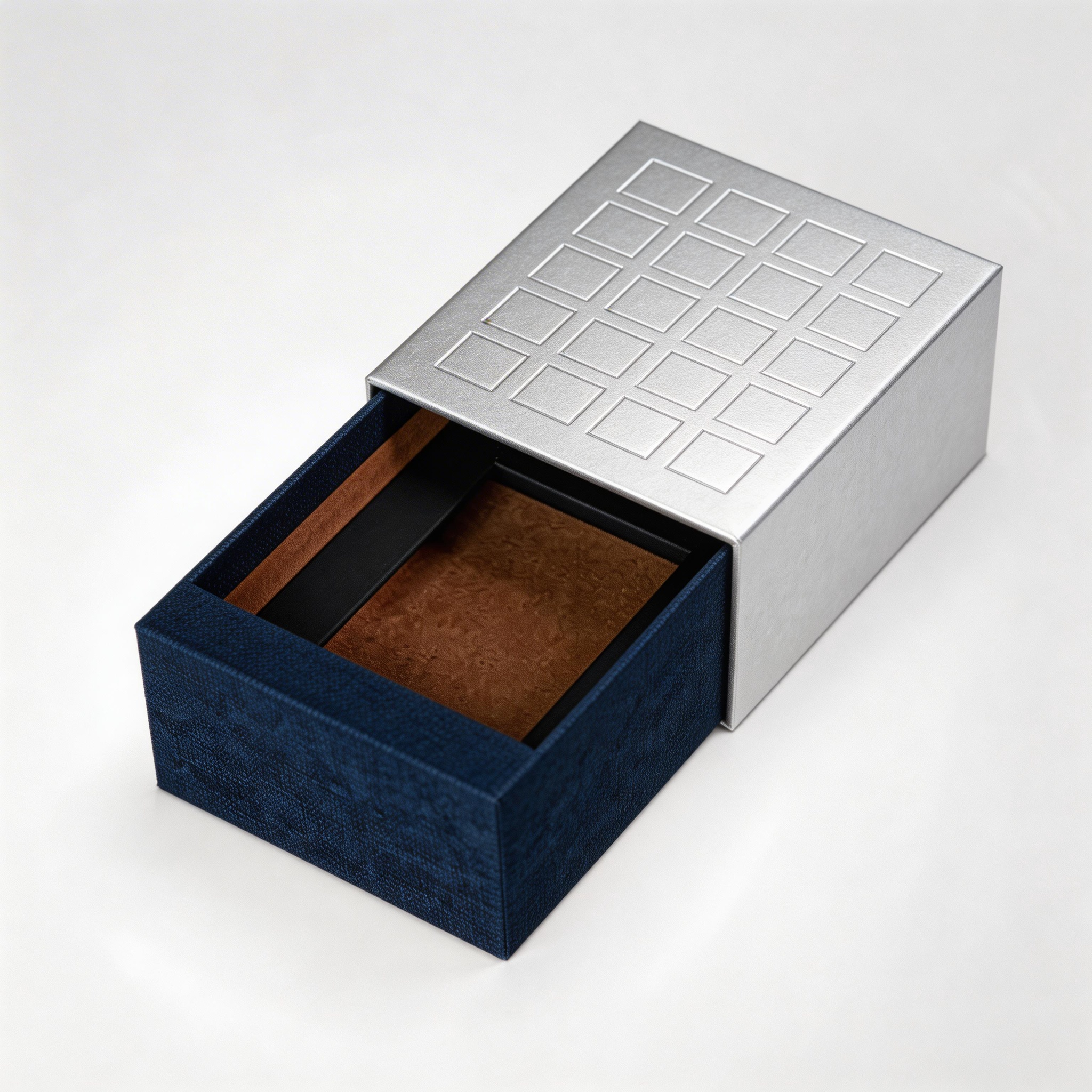
A drawer style tea box uses an inner tray that slides within an outer sleeve. For a tea assortment, the useful design questions are tray clearance, the arrangement of sealed primary packs, removal and the space needed to open the box. “Eco-friendly” in a catalogue name is not verified evidence about the finished materials or disposal route.
Gallery references show sliding drawer-box formats. They do not establish a tea barrier, material composition, environmental performance or Eastpkg® manufacture.
Eastpkg® combines production and supply chain management for B2B packaging projects. Share your tea format and packing requirements to discuss the proposed drawer structure, materials and sample review.
Define What the Tray Needs to Hold
Provide dimensions and weight for the filled sachets, pouches or tins, the number of each variety and the planned arrangement. Identify whether the tea has separate sealed primary packaging. The drawer box is not assumed to provide an airtight seal, a moisture barrier or direct-food-contact suitability.
Discuss compartments or an insert against the actual primary packs. Check removal space, the position of labels and the order in which items are packed. If loose tea would contact a component directly, specify that intended use and the supporting documentation required before selecting the material.
Review the Sliding Fit and Opening Method
- Tray clearance: check whether the filled tray moves through the sleeve without catching or excessive looseness.
- Pull detail: review a finger opening, ribbon or other proposed detail for product access and assembly. Availability must be confirmed.
- Retention: agree how the tray should behave during handling and what assessment is needed to check it.
- Opening space: allow for the extended tray at a retail counter, packing station or gift presentation.
- Insert layout: check positioning, removal and whether different tea packs need different compartments.
A drawing or reference image cannot establish sliding tolerance, closure performance or transit protection. Record the agreed dimensions and review a representative sample using the intended contents.
Specify Materials Instead of Relying on Appearance
List the tray and sleeve construction, paper wrap, printed layer, coating, adhesive, pull and insert separately. A kraft finish does not prove recycled content, recyclability or biodegradability. Ask for supporting documents that apply to the proposed components.
For a recycled-content or certification statement, define its scope and verify the relevant evidence and permissions. For recyclability, consider the complete pack, separation steps and the intended collection and reprocessing route. Do not describe a composite pack as compostable or plastic-free without appropriate evidence.
See the materials and claims guide when preparing the brief. This page does not establish FSC certification, a recycled-content percentage or any measured environmental benefit.
Approve the Artwork and a Representative Sample
Check artwork orientation on the closed sleeve and the extended tray, trim boundaries, folds and the pull location. Review print and finish appearance against the agreed colour reference. Confirm whether sample materials and construction represent the intended production pack.
Record fit, assembly and product-removal criteria along with any required handling or transport assessment. A presentation sample is not a shelf-life or barrier test for the tea inside.
Send the Details for a Project Quotation
Include filled primary-pack dimensions, units and varieties per box, order quantity, artwork status, destination, target dates and material-document requirements. Confirm the sample fee, minimum quantity, production schedule, finishes and delivery terms in the quotation; fixed catalogue timing is not promised.
Send your drawer tea box brief, compare other tea packaging structures or review sample and prototyping questions.

Reviews
There are no reviews yet.