
Description
Kraft tea boxes start with two separate decisions: how the tea is contained, and how the outer box should look and work. Use the actual filled sachets, pouches or tins to define the box dimensions and layout. A brown paper appearance alone does not establish recycled content, certification or a disposal claim.
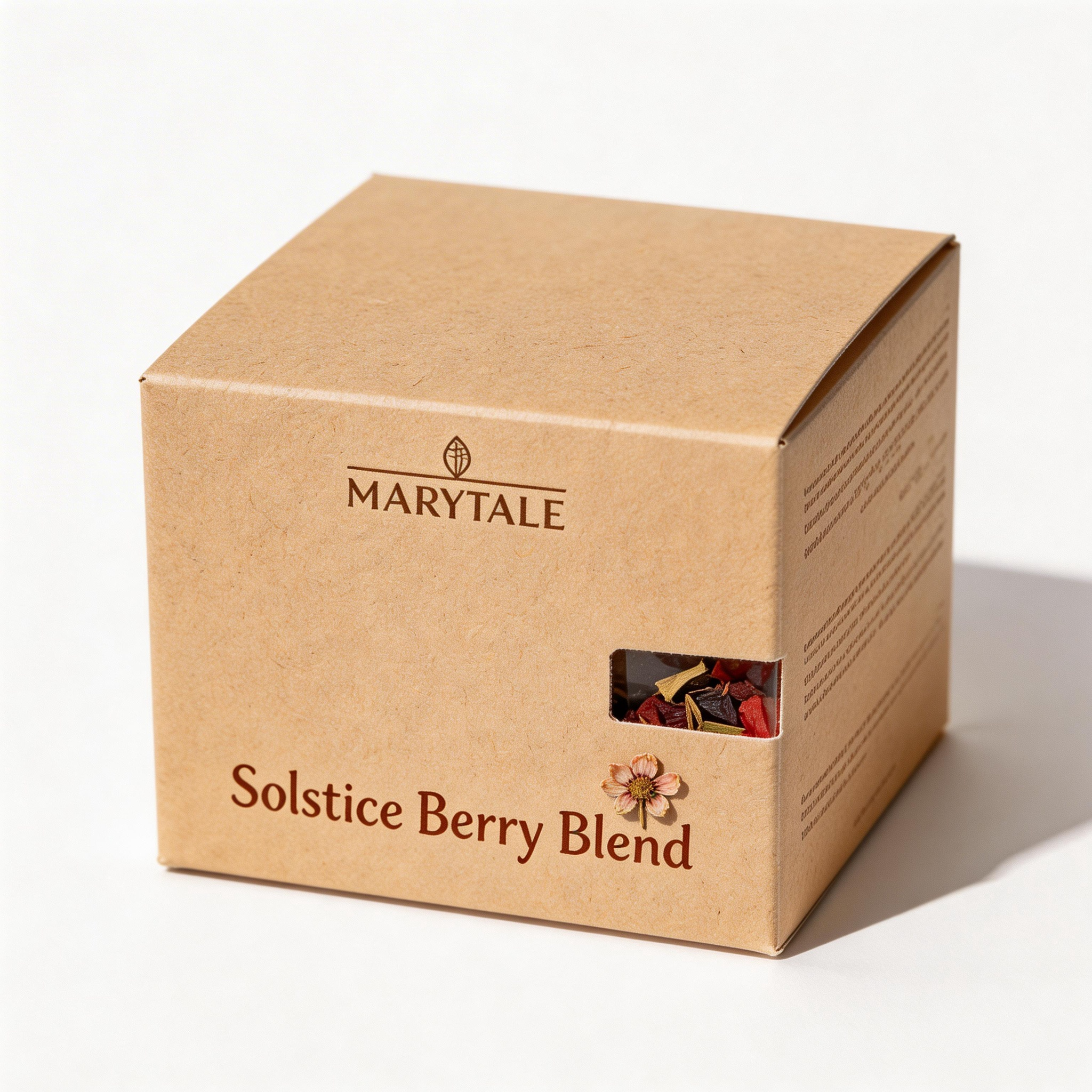
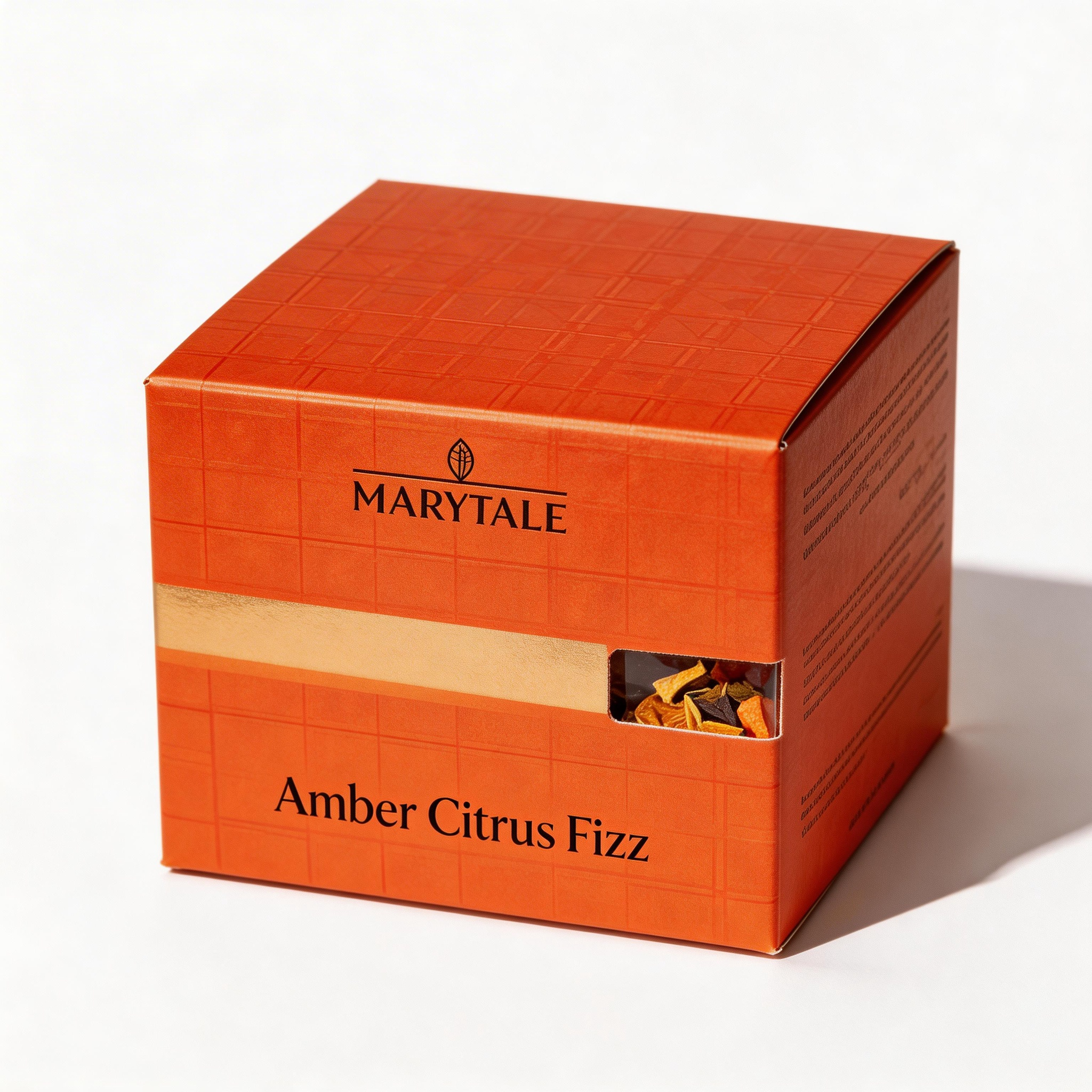
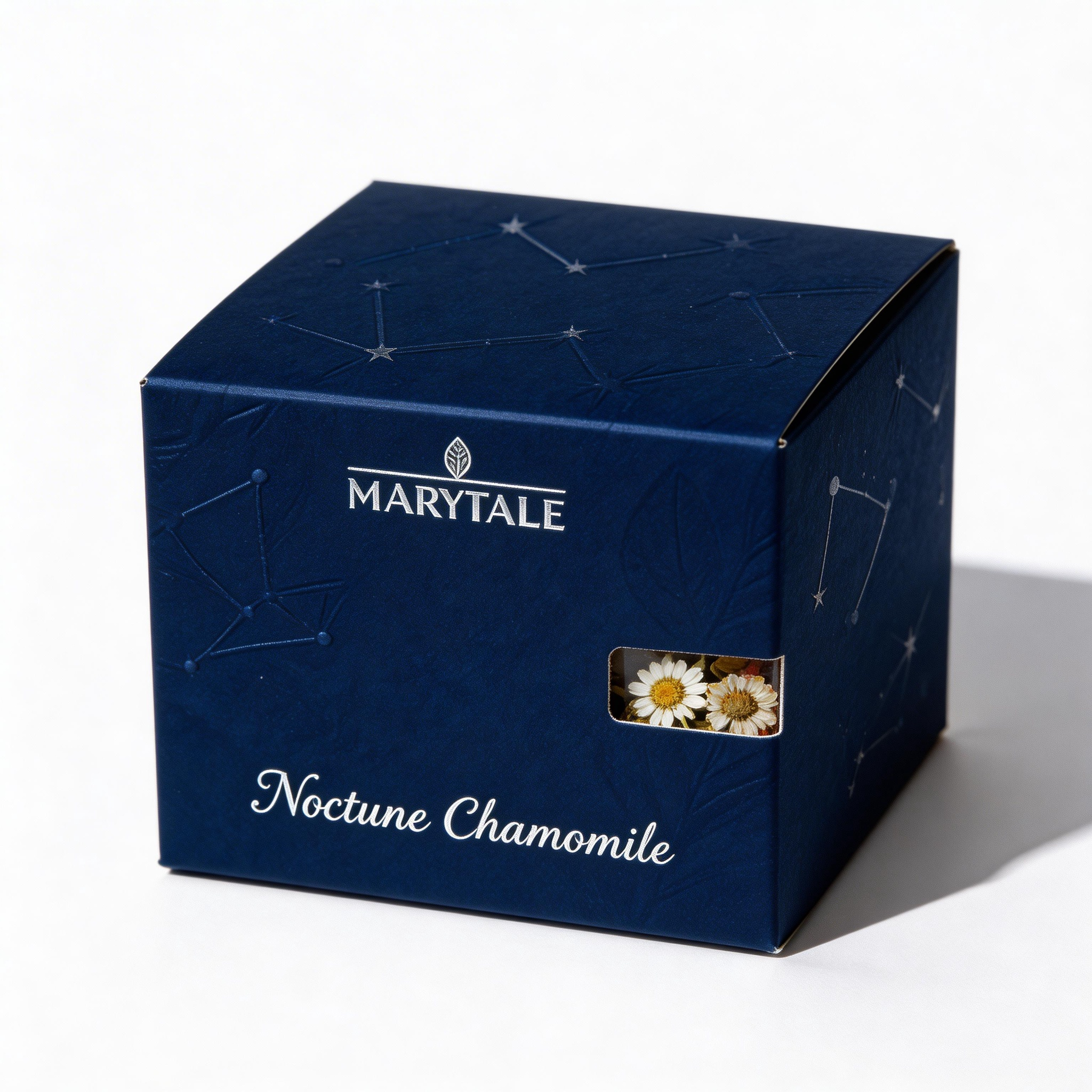
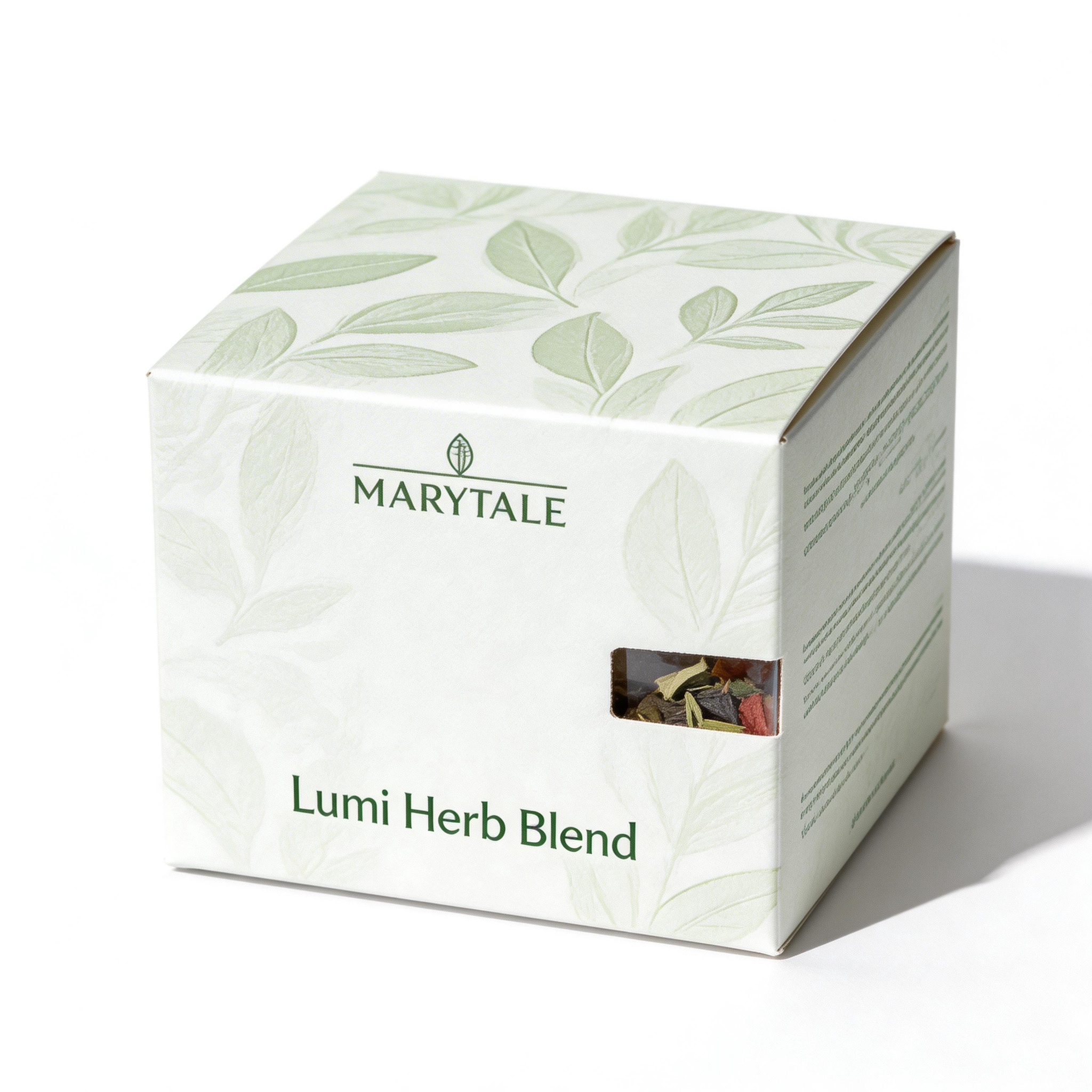
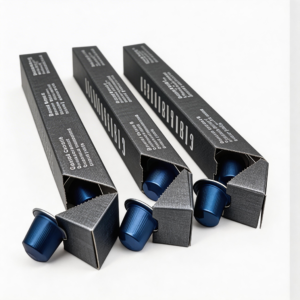
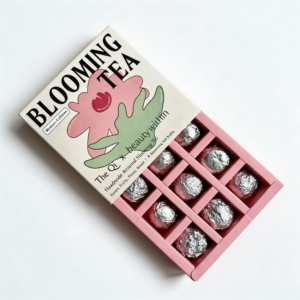
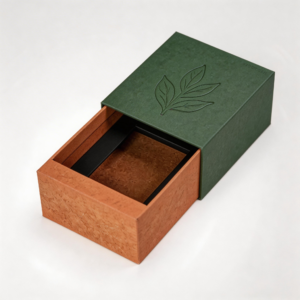
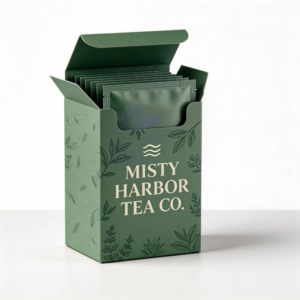
Gallery references show printed tea cartons in brown, red, blue and pale green. Their source, material composition and relationship to Eastpkg® production have not been verified.
Eastpkg® combines production and supply chain management for B2B packaging projects. Share your tea format, packing process and artwork to discuss a proposed kraft-style box specification and sample.
Choose the Structure Around the Filled Packs
Provide the primary-pack dimensions and weight, units per box and number of tea varieties. State whether the box is for retail display, gifting or an order shipped inside a separate transport carton.
- Single tea variety: review the fit, orientation and removal space around the filled primary packs.
- Assortments: provide the count and dimensions for each variety before deciding on dividers or an insert.
- Display access: discuss how the box opens and whether individual sachets need to remain visible or easy to remove.
- Shipping: specify the packing arrangement and handling requirements; an outer presentation box is not a verified shipping container.
Compare other tea packaging structures if a folding, rigid or cylindrical format better suits the packing task. Material and structure availability require project confirmation.
Review Artwork on the Proposed Paper
Request a sample using the proposed paper colour, texture and finish. Check text and barcode readability, colour contrast, fine lines, logos and any foil or raised detail against the agreed reference. Do not approve a production colour from an on-screen mockup alone.
Confirm the printable areas, fold positions, seam or glue areas and artwork orientation on the actual dieline. If a white layer, coating or other treatment is proposed, include it in the material specification and sample review rather than assuming it from the artwork.
Keep Tea Protection and Direct Contact Separate
Identify which component provides the agreed seal or barrier for the tea. A kraft outer box does not establish aroma retention, an airtight seal or shelf life. If tea would touch a component directly, define that use and request appropriate supporting documentation for the proposed construction.
Review inserts and compartments using the actual filled primary packs. A visual sample can help assess fit and presentation; protection, barrier or food-contact suitability needs its own agreed assessment.
Check the Complete Material Record
Ask for the board, paper wrap, coating, ink, adhesive, window, closure and insert specification. Identify the part and basis of any recycled-content statement. For a certification request, confirm the holder, current scope, chain of custody and claim permission.
Assess recyclability for the finished pack and its intended destination. Compostability and biodegradability need separate evidence and conditions. No FSC certification, recycled-content percentage or universal disposal route is established by this listing. Consult the materials and claims checklist before approving wording on the pack.
Agree a Sample and Quotation
Check assembly, filled-pack fit, opening and removal, artwork and finish. Record any differences between the sample and proposed production materials. Confirm dimensions, acceptance criteria and the approved artwork version before the order is released.
Send primary-pack dimensions, units per box, quantity, destination, artwork status and material-document requirements to request an Eastpkg® quotation. Confirm the sample charge, minimum order, production timing, packing and delivery terms for the agreed specification.

Reviews
There are no reviews yet.