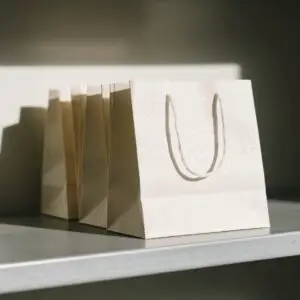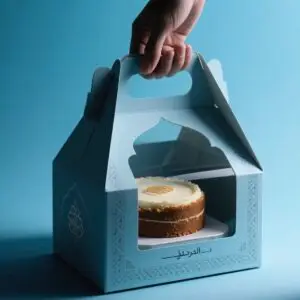
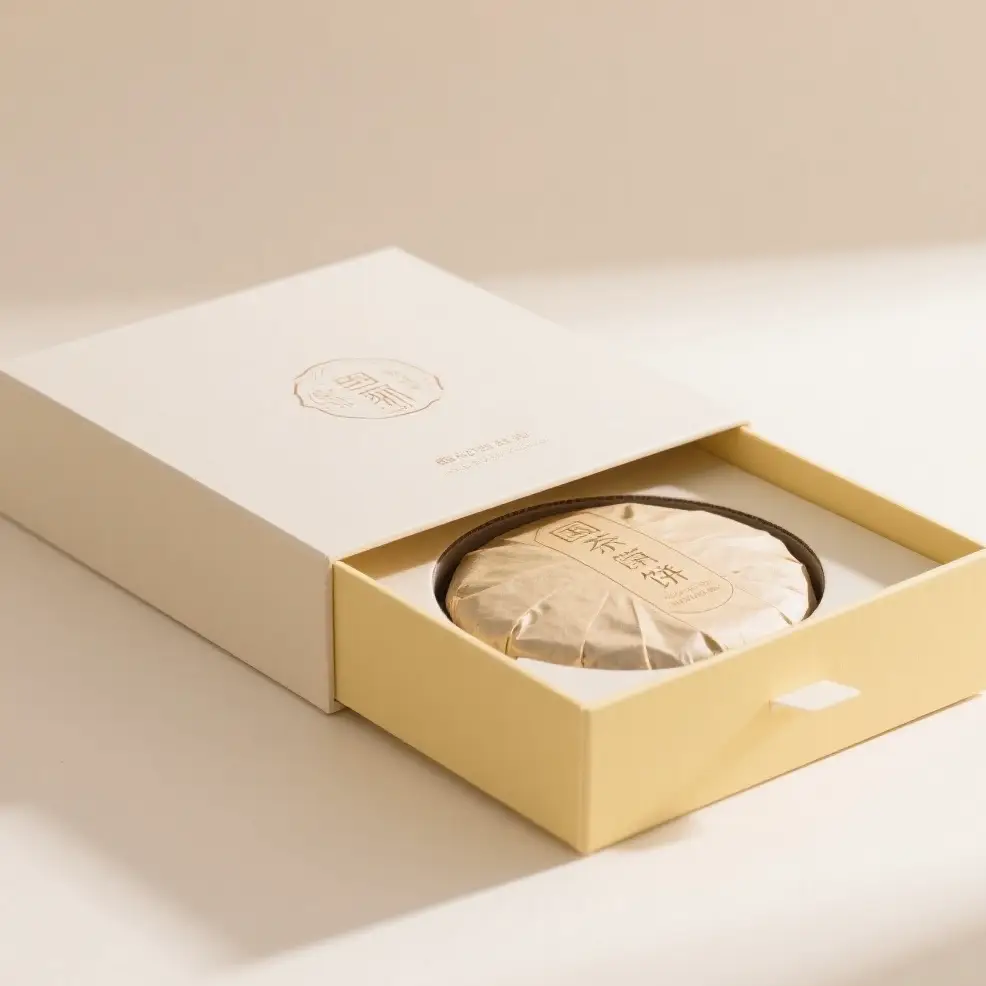
A tea packaging design brief starts with the filled inner pack. Before choosing colours or finishes, put that pack on the table. A pouch of loose-leaf tea, a row of individually wrapped sachets and a selection of tins each need a different layout. The outer box should fit that format and explain the product clearly. It also needs to suit your packing and delivery method. Use a tea box sample to check the fit before approving the design.
This guide focuses on the outer box. The tea producer needs to define the food-contact materials, storage conditions and shelf-life requirements for the tea itself.
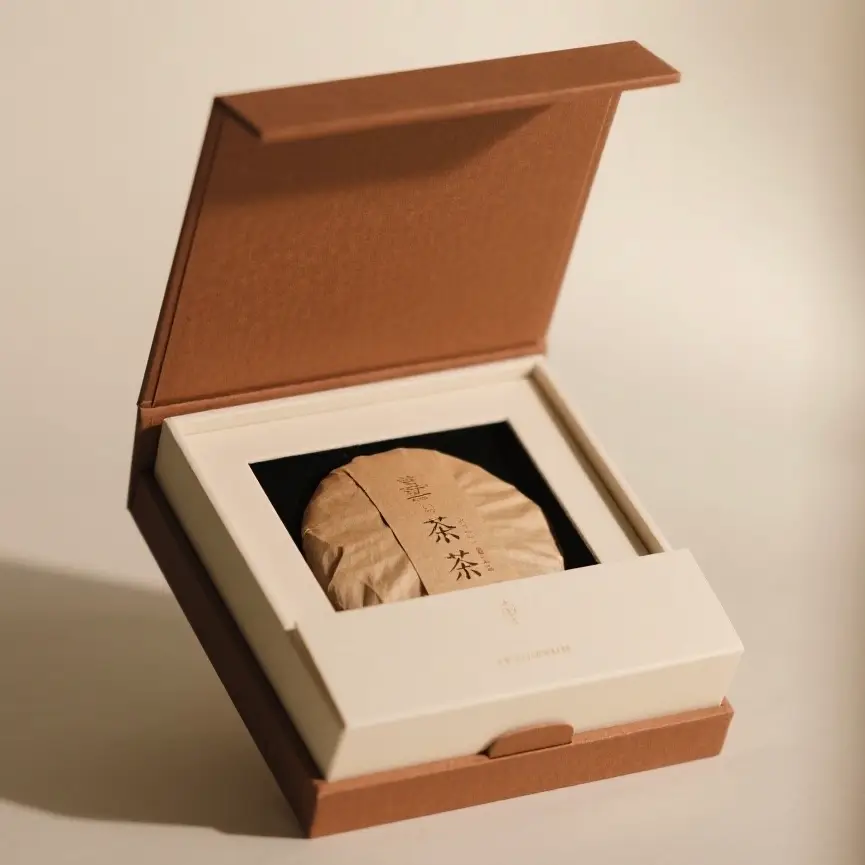
How do you size packaging for loose-leaf tea and sachets?
Record the dimensions of the filled pouch, sachet bundle or tin, including seals, folds, closures and any label that changes the fit. For example, equal weights of tea can occupy different amounts of space. Measure the actual filled pack rather than choosing a box by weight alone. For a mixed selection, list the quantity and position of each item.
Include the packing sequence. Check that staff can insert a pouch without catching an edge. Buyers should also be able to lift out a tin easily. Then check that the lid closes without pressing on the contents. If the pack includes a scoop or leaflet, provide it with the samples before you approve the box size.
Assign a clear job to each packaging layer
Separate the inner pack, presentation box and shipping carton in the specification. Ask the tea producer which layer provides the required barrier and sealing performance. An attractive outer box is not evidence of a longer shelf life, and changing its board or finish does not validate the inner pack.
For components intended to contact food, request documents that match the material, supplier and intended use. In the United States, FDA guidance on food-contact materials explains why component identity and conditions of use matter. Review other destination markets separately with the food producer.
Choose tea packaging for retail, gifts or online orders
- Retail refill: define how the box holds and identifies the sealed refill. First, check whether the sales channel needs outer packaging at all.
- Gift assortment: test the position of each item and removal access. Also check how the assortment looks when a buyer opens the lid.
- Online order: assess the presentation pack together with its shipping carton and any protective components.
- Seasonal collection: compare a dedicated printed box with a shared structure and a changeable sleeve or card. Check assembly and inventory implications for both.
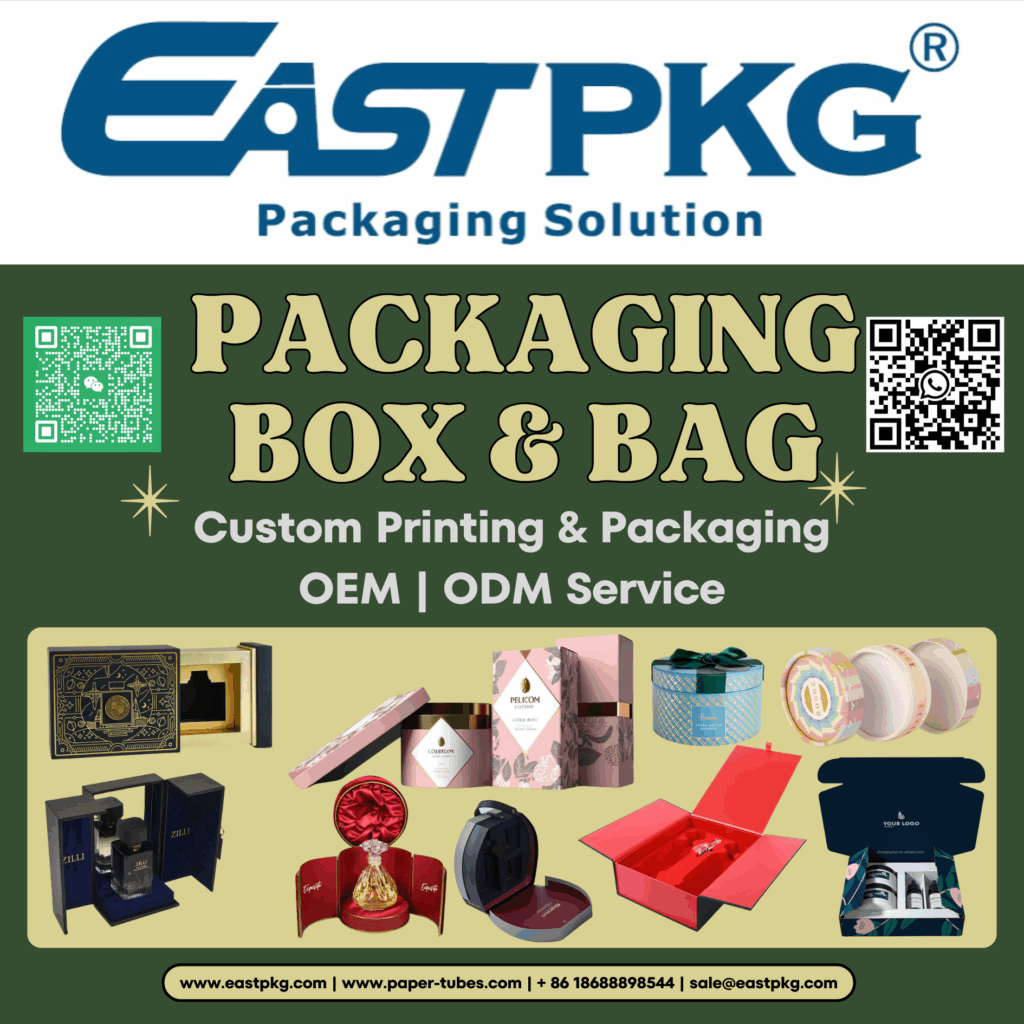
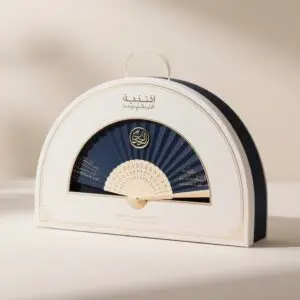
Use the tea packaging collection to start a structural discussion. Confirm the available size, insert and finish for the specific project before treating a pictured design as a production specification.
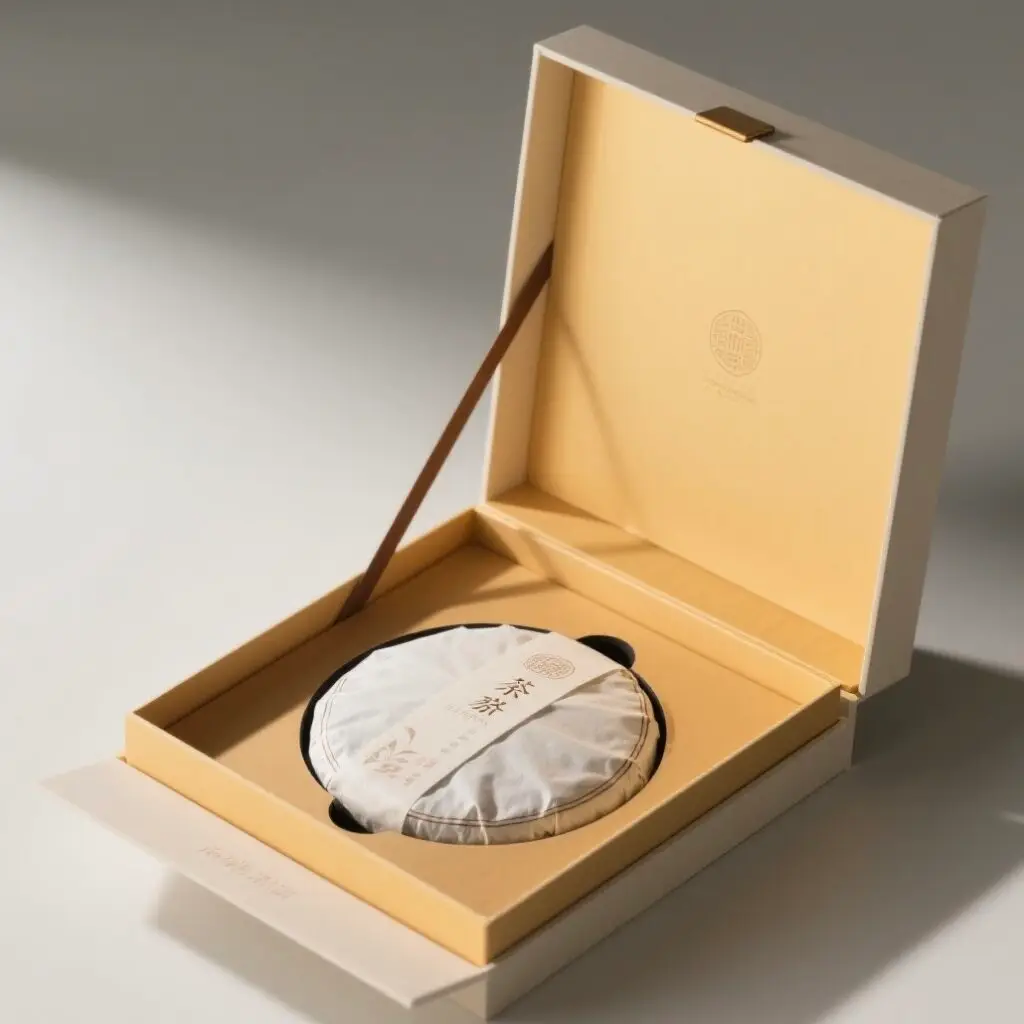
Make the tea and the variant easy to identify
Your tea packaging artwork needs a clear reading order: brand, tea name, format and variant. Lay out the range together so that similar blends remain distinguishable. Keep enough space for the labelling content approved for the intended market; do not let a decorative pattern compete with essential text.
Before using origin stories, grower photographs or certification marks, confirm their accuracy and your right to use them. A brewing QR code can be useful, but test it from the printed sample and assign someone to maintain the destination page. It should not replace information that must appear on the pack.
Review tea packaging finishes and material claims
For a restrained design, select a small number of details to evaluate closely: type size, alignment, colour, surface texture and the placement of any foil or embossing. Ask for a physical reference for the chosen finish, because a screen preview cannot establish how the surface will look or feel.
List the board, wrap, coating, adhesive, window, insert and accessories before proposing a material claim. Check which components buyers can separate, then ask for evidence to support the intended wording. Recycled content, recyclability and compostability answer different questions.
The US FTC Green Guides summary cautions against broad environmental claims without qualification. A kraft-paper appearance does not establish an environmental benefit. Check the proposed claim against the complete pack and its destination, rather than adding a generic green label.
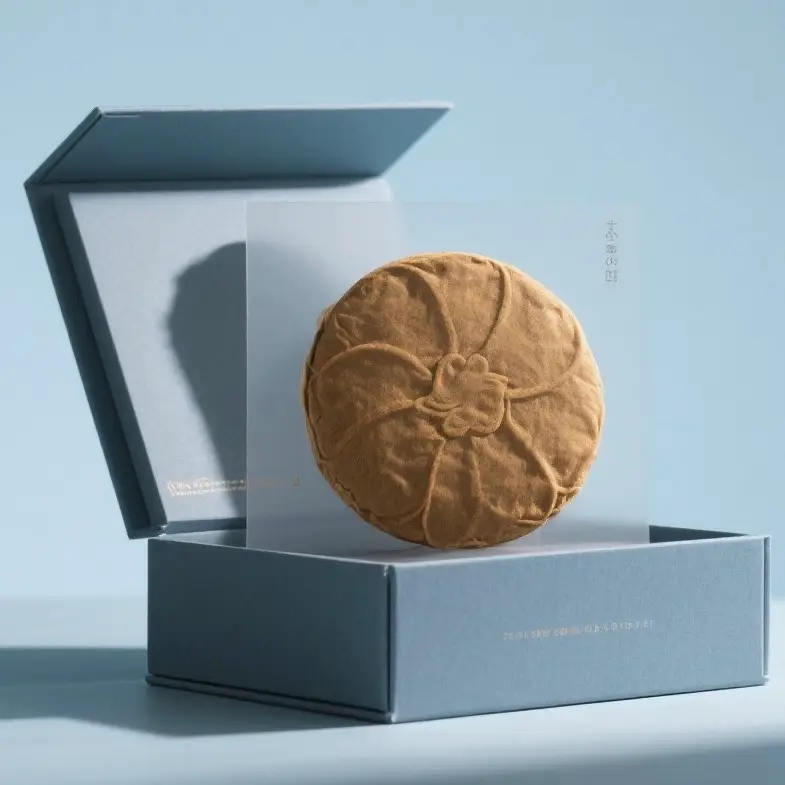
What should you check on a tea box sample?
Agree what the sample can demonstrate using the packaging sample guide. Review your tea box sample with the people responsible for packing, brand artwork and purchasing. Together, check the following points before approval.
- Fit and removal of the filled inner packs, accessories and printed information.
- Assembly sequence, closure and insert position.
- Artwork version, spelling, variant names, readable text and printed code operation.
- Agreed colour and finish references, plus differences between the sample and production materials.
- Material documentation and the checks required for storage, handling and the intended delivery route.
What should a tea packaging design brief include?
In your tea packaging design brief, list the filled-pack dimensions, items per box, designs, quantity, preferred structure and delivery destination. Also note whether the artwork is ready. Specify which components you supply and which the quotation should include. The custom box planning guide explains how to compare the scope of different proposals.
Send your tea packaging brief to EASTPKG with your required date and sample needs. Ask for project-specific confirmation of materials, pricing, minimum quantities and the schedule before committing to an order.