
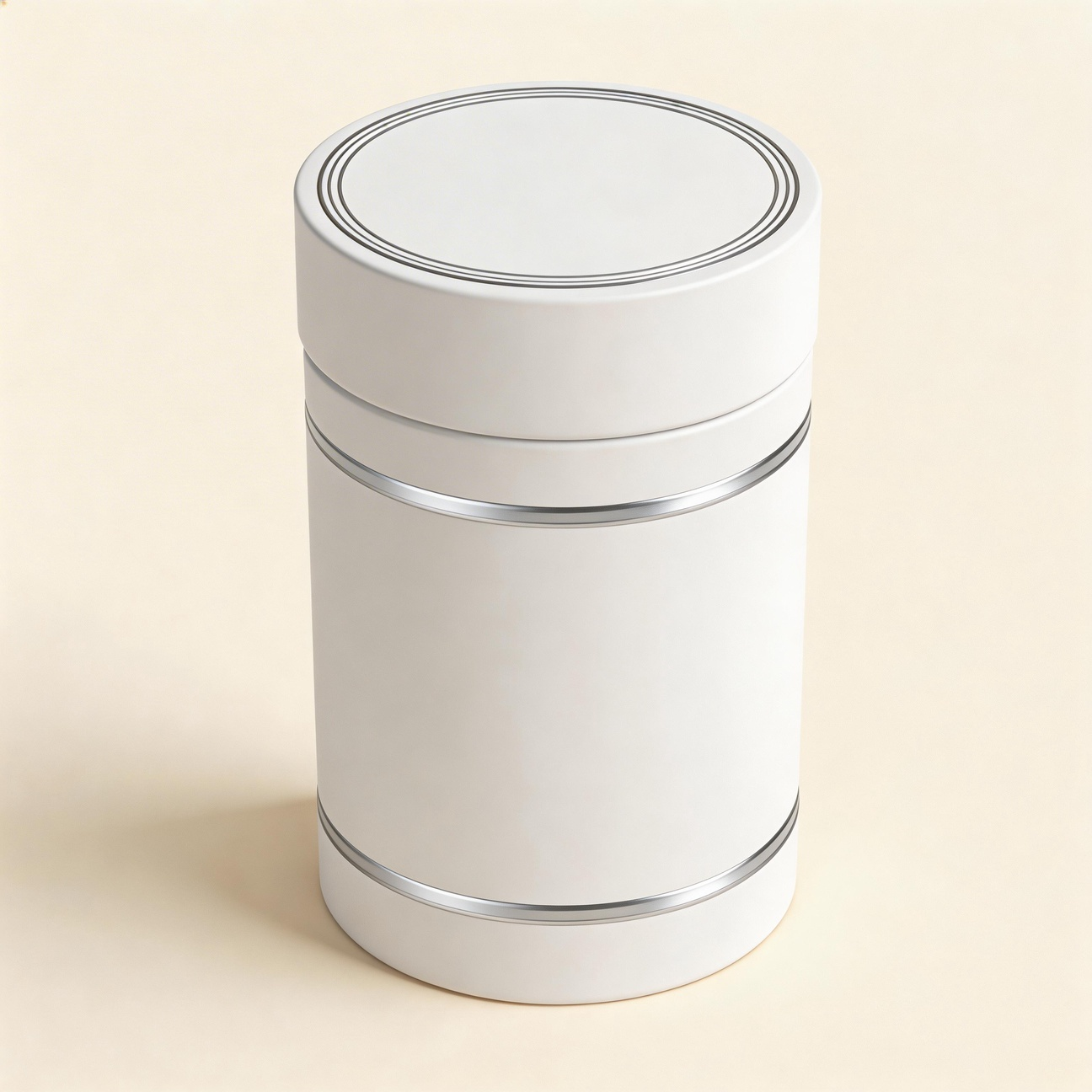
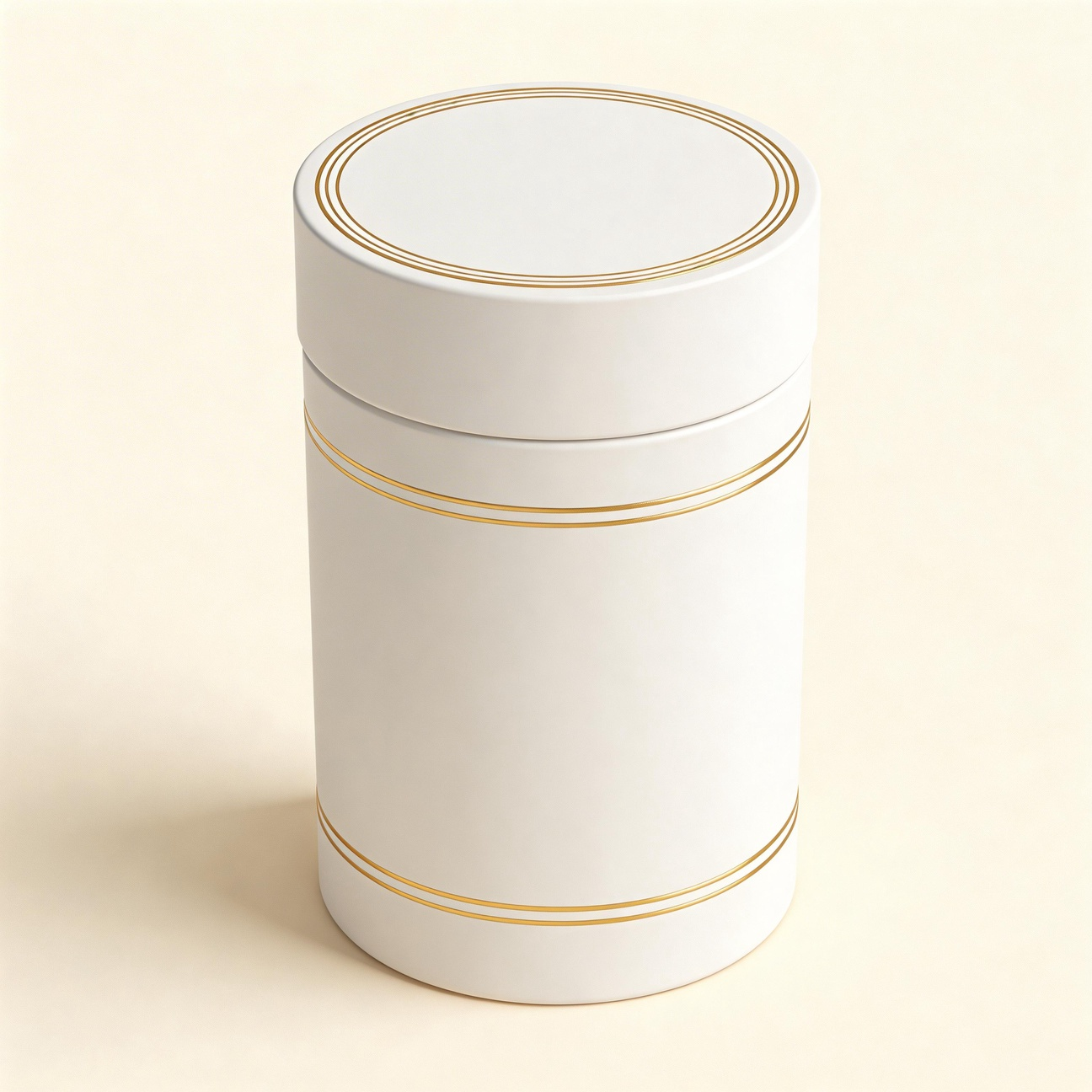
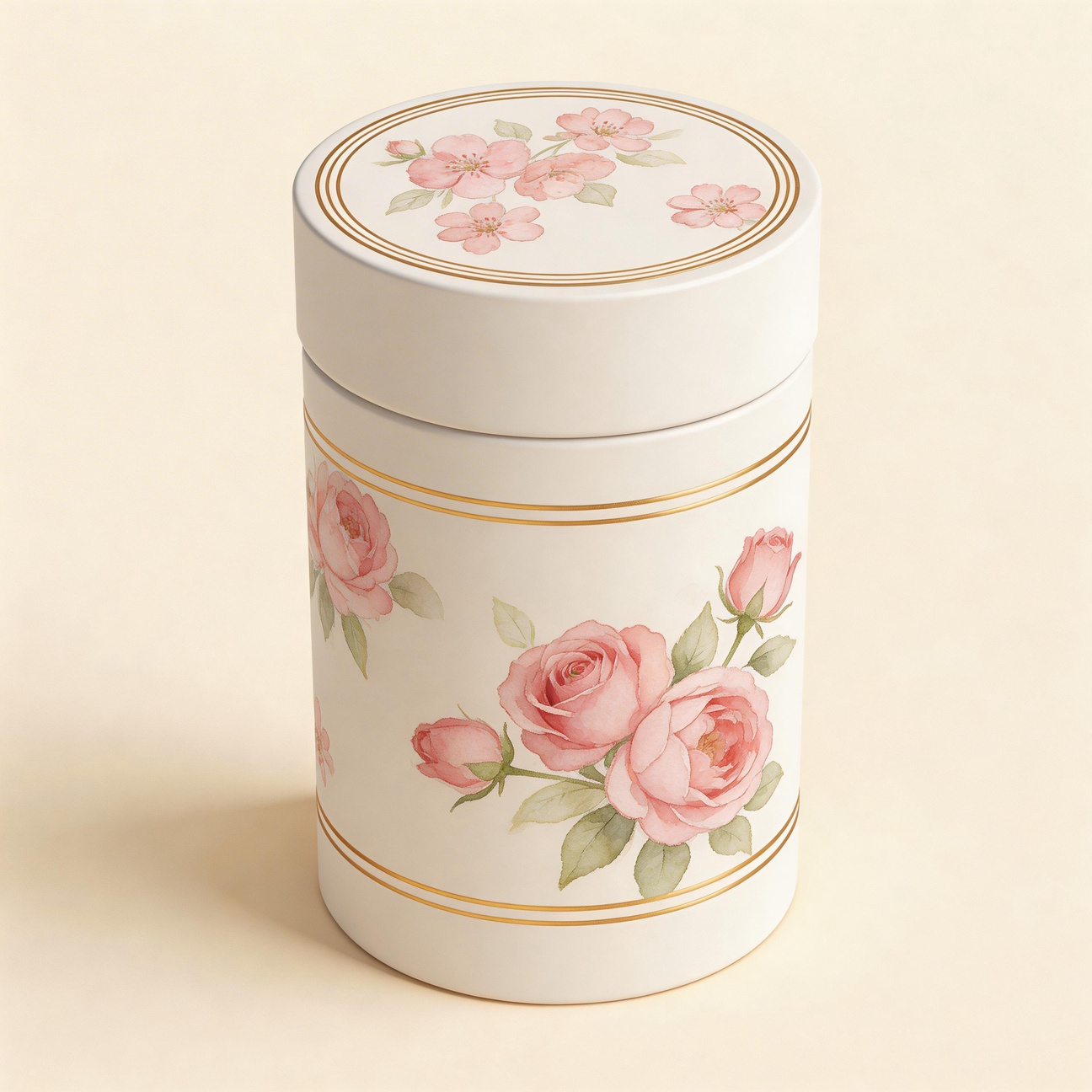
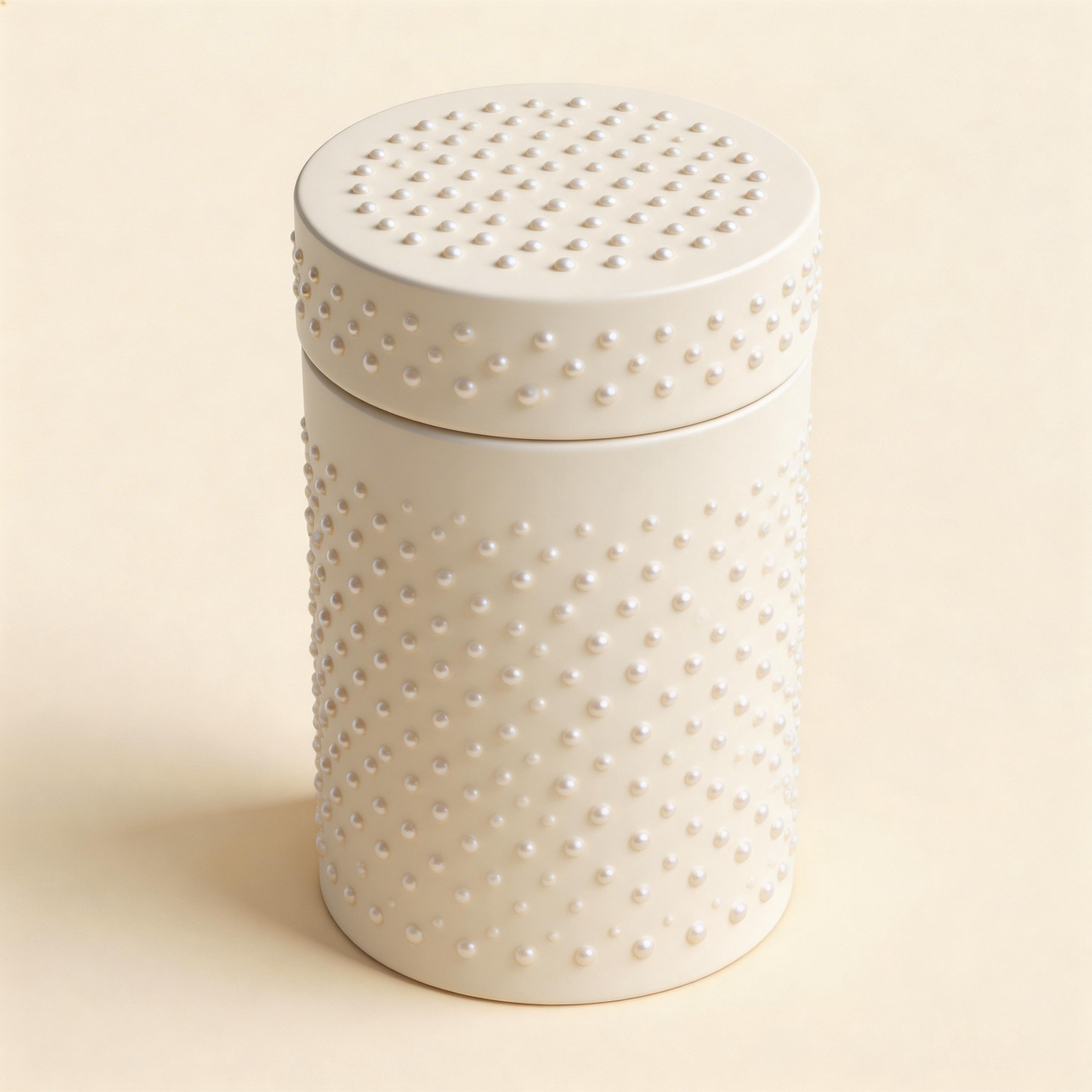
Description
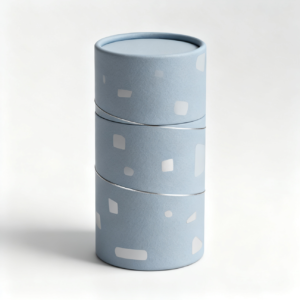
Rigid Cardboard Tubes provide a cylindrical outer-pack format for a product or an existing primary container. Start your custom rigid cardboard tube packaging brief with the filled product dimensions, weight and intended presentation. The usable internal space, wall construction, closure and insert must work together. Review a representative sample for fit, opening and handling before approving the pack. Discuss the required finish with Eastpkg® and record the accepted materials and appearance in the specification.
Custom Paper Tubes: Construction and Specification Planning
Custom paper tubes should be specified around the packed product, usable internal dimensions and closure requirements. Share your quantities, artwork and intended use with Eastpkg®. Confirm the proposed construction, available finishes and sample fit before ordering. Assess recycling options for the complete pack in its destination market.
What Are Custom Paper Tubes?
Paper tubes use a cylindrical paperboard body with a separate or integrated closure. For purchasing, distinguish the outer diameter and overall height from the usable internal dimensions. Wall thickness, the opening and any insert reduce the space available for the packed product. Ask which body and closure construction is feasible for your brief.
Specify whether the tube will contain the product directly or surround an existing primary pack. Request documents that apply to the complete proposed construction and intended use. Check environmental wording against the materials, accessories and destination disposal conditions.
What to Check When Choosing Paper Tube Packaging?
Compare the proposed tube with your product, display and delivery requirements. Use these four checks when reviewing samples.
1. Material and Disposal Review
Assess the complete tube construction and the destination disposal conditions. Request material documentation before selecting environmental wording; paper appearance does not establish recyclability or compostability.
2. Shape and Product Fit
Check the packed product in its intended orientation. Review clearance at the body, cap and insert, then assess shelf space and handling. A cylindrical outer pack still needs a stable arrangement inside the shipping carton.
3. Artwork and Finish
Ask how the artwork will be applied to the proposed construction. Review the seam position, text orientation, logo placement and finish on a physical sample. Agree how color and appearance will be approved before production.
4. Intended Use and Protection
State whether the tube is an outer presentation pack, a transport pack or a container in direct contact with the product. Describe the expected handling and any moisture exposure. Agree the required protection checks for the complete packed product.
Paper Tube Constructions to Discuss
The following construction topics can help organize your enquiry. Confirm availability and the proposed specification for your project; the headings are not a certification or a guarantee of every option.
Kraft Paper Tubes
For a brown kraft appearance, confirm the paper grade, surface finish and closure construction in the sample specification. A natural appearance does not establish environmental performance.
White Paperboard Tubes
For a white paper finish, review the surface, printed color and scuffing during sample handling. Specify the visual reference and discuss the closure separately.
Recycled Paper Tubes
If recycled content is required, request the stated percentage, its calculation basis and supporting material records. Distinguish post-consumer from pre-consumer content and confirm the proposed finish.
Paper Tubes for Intended Food Contact
If direct food contact is required, state the product, intended use and destination market. Request documents for the complete proposed construction, including liners and coatings, and confirm which requirements apply to that use.
Paper Tubes for Shipping
For a shipping application, provide the packed weight, length and handling conditions. Agree the wall, end-closure retention and outer-carton arrangement, then identify appropriate sample checks before relying on transport performance.
Paper Tubes with Metal Lid Requirements
If a metal lid is required, specify the opening method, expected reuse and appearance. Confirm the lid material, edge finish, fit and compatibility with the tube body on the proposed sample.
Customization Options for Paper Tubes
Describe the options you need in the quotation brief. Confirm the feasible combination of dimensions, closures, artwork and finishing before approving a sample.
Sizes and Dimensions
Provide the required usable internal diameter and height, packed product dimensions, closure fit and acceptable tolerances. Confirm feasible dimensions, wall thickness and tooling for the proposed construction before approving the specification.
Closures and Lids
- Metal lid requirements – material, edge finish and body fit
- Plastic cap requirements – material, dimensions and retention
- Cork lid requirements – fit, opening and material record
- Bamboo lids – confirm availability, fit, material documentation and finish
- Push-on slip lid requirements – overlap, opening and retention
- Tamper-evidence requirements – agree the seal design and relevant verification
Printing and Finish Requirements
- Color specification – artwork references and an agreed approval sample
- Surface finish – matte or gloss appearance and handling checks
- Soft-touch requirement – sample feel, marking and scuff review
- Foil requirement – color reference, position and fine-detail review
- Raised or recessed detail – artwork placement and sample review
- Gloss highlight requirement – placement and compatibility with other finishes
Liner, Barrier and Insert Requirements
- Contact layer – identify the proposed material and its intended use
- Barrier requirements – state the exposure conditions and request relevant evidence
- Coating requirements – confirm compatibility with the contents and intended contact
- Insert requirements – product fit, retention, contact surfaces and material documentation
How to Order Custom Paper Tubes from Eastpkg®?
Use the following checkpoints to agree the brief, sample and order. Record responsibilities and approval milestones in the quotation.
Step 1: Share Your Requirements
Provide the filled product dimensions and weight, quantities by SKU, required closure and intended use. Include your artwork status, destination and requested delivery date so the quotation can address the complete brief.
Step 2: Approve the Design and Dieline
Confirm who prepares the structural drawing and artwork template. Check the usable internal dimensions, seam, opening and insert against the packed product. Approve the agreed drawing and artwork version before the next project stage.
Step 3: Receive a Physical Sample
Confirm the sample type and timing in the project quotation. Review fit, feel and print quality against the agreed specification, and record any adjustments before approval.
Step 4: Mass Production and Delivery
Agree the production specification and acceptance checks before ordering. Confirm the production schedule, packing method and delivery arrangements in the quotation for the proposed construction and destination.
Material Records and Environmental Wording
Request a material record for the complete packaging structure, including the board, liner, coating, inks, adhesives, window and insert. Check that supporting documents apply to the proposed pack and the destination market.
If a certification or environmental claim is required, confirm its holder, scope, current status and permitted wording before approval. Paper-based packaging does not by itself establish recyclability or compostability.
Use the materials and claims checklist when comparing proposals.
Frequently Asked Questions
Provide the tube dimensions, closure, quantities by SKU and requested finish. Ask for a project-specific minimum quantity and setup costs, and confirm the agreed specification and quantity in the quotation.
Request separate sampling and production schedules for the proposed tube construction and quantities. Confirm the artwork and sample approval milestones, delivery destination and shipping assumptions. Discuss urgent requirements before relying on a delivery date.
Ask about the sample type for the proposed material, diameter and closure. Confirm fees, timing and any sample-cost credit policy in the quotation. Check usable internal space, fit and assembly before approving production.
Describe the expected exposure to moisture and whether the contents already have a sealed primary pack. Request a suitable construction proposal and relevant performance evidence; do not assume that a paper tube alone provides a waterproof barrier.
Specify the opening method, reuse needs, fit and presentation requirements. Ask which closure options are available for the proposed tube dimensions and confirm materials, fit and assembly in the sample specification.
Describe the required printed surface and artwork. Confirm whether interior printing is available for the proposed construction, including ink suitability, finishing and any restrictions for the intended use.
Your Paper Tube Quotation Checklist
Eastpkg® combines production and supply-chain management. Use the following checklist to agree the scope of your project and the evidence needed before placing an order.
- Project specification record the proposed construction, quantities and acceptance checks.
- Design responsibility confirm who prepares and approves the structure, artwork and sample.
- Material documentation request records for the proposed board, liner, coating and intended use.
- Order quantities and costs confirm minimum quantities, setup charges and pricing for the agreed specification.
- Delivery responsibilities confirm the destination, shipping terms, required documents and customs responsibilities in the quotation.
Ready to Switch to Custom Paper Tubes?
Share the packed dimensions, quantities by SKU, closure requirements, artwork status and delivery destination. Request a quotation and confirm sample options, fees and timing for the proposed specification.


Reviews
There are no reviews yet.