
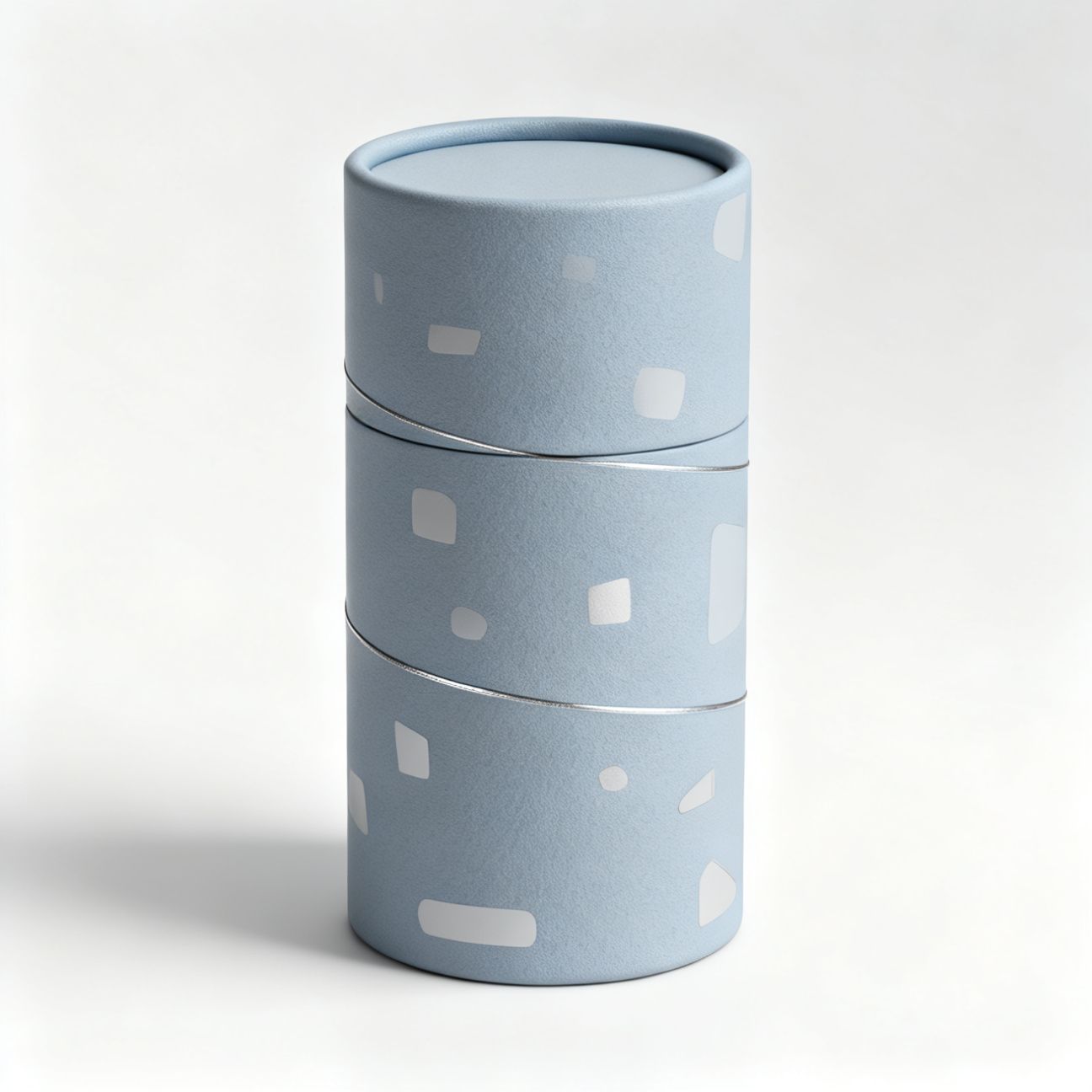
Description
Specify custom paper tubes around the product they must hold and the way the package will be opened, packed and handled. Start with usable internal dimensions, closure clearance and the complete material construction rather than an outside diameter alone.
Eastpkg® combines production and supply chain management for B2B packaging projects. Share the requirements below to discuss a tube specification, proposed materials, sample review and quotation.
Define Usable Diameter and Height
Provide the product’s widest diameter or cross-section, overall height and filled weight. Include caps, pumps, shoulders or other projections. State the number of items per tube and whether an insert or separate primary container is needed.
- Internal diameter: allow the agreed clearance for insertion and removal; do not substitute the outside diameter.
- Usable height: account for the base, lid overlap and any insert before confirming product fit.
- Outside dimensions: record these separately for artwork, presentation and transport packing.
- Tolerances: agree how dimensions will be checked and what variation is acceptable for the product.
Do not assume a catalogue size range or “any size” promise applies. Confirm the proposed diameter, height, wall construction and tooling requirements in the quotation.
Review the Closure and Opening Task
Discuss the proposed lid and base construction, opening direction, lid overlap and retention. A paper slip lid, separate cap or other closure needs a specific material and fit review. Availability of particular lid materials or tamper features must be confirmed.
Consider how the contents are loaded and removed, whether the tube must stand upright and what assessment is needed for handling or transport. A close-fitting lid does not establish an airtight, waterproof or tamper-evident package.
Separate Product Contact from Presentation
Identify whether the tube holds a sealed bottle, pouch, wrapped item or a product in direct contact with its inner surface. Direct contact, moisture or barrier requirements need a documented material specification and appropriate supporting assessment for the intended use.
This listing does not establish FDA approval, food-contact suitability, waterproofing or a shelf-life result. A liner name, coating appearance or paper-based construction alone is insufficient evidence. Confirm the proposed inner surface, adhesive, closure and any insert before approval.
Agree Artwork, Finish and Material Evidence
Use an agreed dieline for the actual tube construction. Review wrap orientation, seam placement, lid and body alignment, trim areas and any inside printing separately. Confirm the substrate, print method, finish and colour reference through the proposed specification and sample.
For environmental requirements, list the board, wrap, coating or lamination, adhesive, cap, liner and insert. Recycled content, certification, recyclability and compostability each need evidence with the correct scope and conditions. No universal recycling, compostability or environmental benefit is promised here. Consult the materials and claims checklist.
Approve Fit and Packing Before Production
Review a representative sample with the actual contents. Check insertion, removal, closure fit, standing stability, artwork and assembly. Record any differences between sample and production materials, and agree separate protection or transport tests where needed.
Confirm minimum order, sample charges, production timing, carton quantities and delivery terms in the quotation. A sample fee credit, rush schedule or fixed production period is not assumed.
Send your tube packaging brief with product dimensions, weight, quantity, destination, artwork status and supporting-document requirements. The Paper Tube Quote Checklist provides a structured starting point.

Reviews
There are no reviews yet.