
Description
For buyers researching sustainable rigid boxes, the useful starting point is a documented packaging specification. A paper-covered rigid box may contain coatings, adhesives, magnets, ribbons or inserts. Its name and appearance alone do not establish recycled content, recyclability or a lower environmental impact.
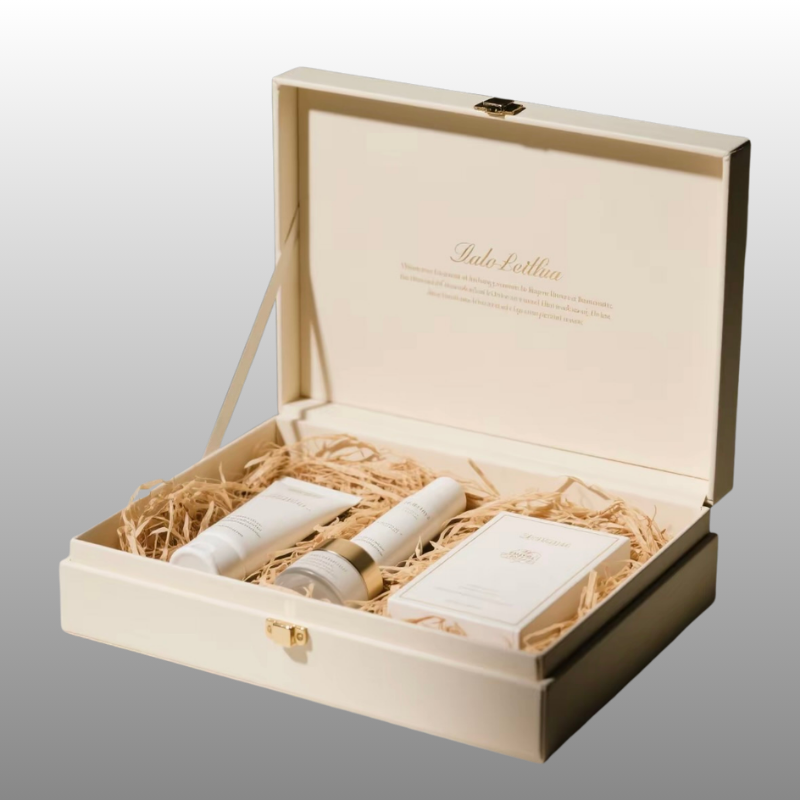
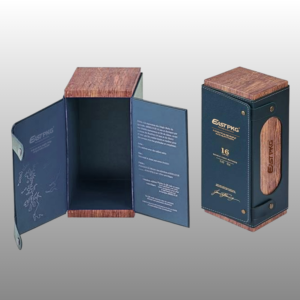
Gallery reference: a hinged presentation box with cosmetic containers and filler. The image does not verify the proposed materials, environmental claims or Eastpkg® manufacture.
Use this product enquiry to discuss the box structure and the evidence your purchasing team needs. Eastpkg® combines production and supply chain management; materials, finishes, order quantity and timing must be confirmed for the specific project.
Define the Product and the Box Structure
Provide the product dimensions and weight, the number of items per box and the way they will be arranged. Specify whether the box holds a primary container, a wrapped product or an item in direct contact with the packaging. Include the packing sequence and intended retail or transport conditions.
- Lid and base: review opening clearance, lid depth and how the product is removed.
- Drawer or sleeve: review sliding fit, pull details and the space needed to open the pack.
- Hinged or magnetic closure: identify the closure components and how they affect assembly and separation after use.
- Inserts: compare product positioning and removal with the material, attachment method and protection requirements.
See the rigid box category for structure discussions. These are options to evaluate, not a statement that every combination is available or suitable.
Ask for Evidence at Component Level
List the board, paper wrap, coating or lamination, ink, adhesive, closure and insert separately. Ask for the proposed specification and supporting documents before approving an environmental statement.
- Recycled content: identify which component the claim covers, the percentage and calculation basis, and whether the source is pre-consumer or post-consumer.
- Certified paper: where a certification claim is required, confirm the certificate holder, current scope, chain of custody and permission to use the claim or mark. This listing does not establish Eastpkg® certification.
- Recyclability: assess the complete pack against collection, sorting and reprocessing conditions in the destination market. Paper-based construction alone is insufficient.
- Biodegradability or compostability: do not substitute these terms for recyclability. Any proposed claim needs evidence for the specified material, conditions and intended disposal route.
The materials and claims guide can help organise the questions for your brief. Avoid an unqualified “eco-friendly” statement when the proposed pack and evidence have not been reviewed.
Reduce Unnecessary Packaging Without Losing Product Fit
Compare the product clearance, number of layers, insert layout and closure with the actual packing task. A simpler-looking design does not automatically use less material. Record the agreed dimensions and component list so that alternatives can be compared against the same product and handling needs.
If reuse is part of the brief, define the intended use, opening cycles and condition requirements. If transport or carbon savings are proposed, agree the baseline and assessment method rather than assuming that one material or structure is better.
Review a Sample Before Production Approval
Agree what the sample needs to demonstrate: dimensions and fit, opening and closing, insert removal, assembly, artwork placement and finish appearance. Confirm any material differences between a mockup and the proposed production pack. Protection, direct-contact suitability or transport performance requires an appropriate agreed assessment; a visual mockup alone does not prove it.
Record the approved specification, artwork version, colour reference, acceptance criteria and supporting material documents. Discuss the sample fee, minimum order, production schedule, packing arrangement and delivery terms in the quotation; no fixed quantity or lead time is promised by this listing.
Prepare Your Packaging Brief
Send your product dimensions and weight, quantity, destination, preferred structure, artwork status and the environmental or material evidence required by your team. Include the intended use and disposal market so the proposed pack can be reviewed in context.
Request a project quotation or review sample and prototyping questions. Availability, costs, timing and any claims remain subject to the agreed specification and supporting evidence.

Reviews
There are no reviews yet.