
Description
A sustainable coffee packaging brief needs to identify the coffee format, the primary pack and the complete material construction. A kraft surface, a valve or a catalogue name does not prove freshness performance, recyclability or compostability.
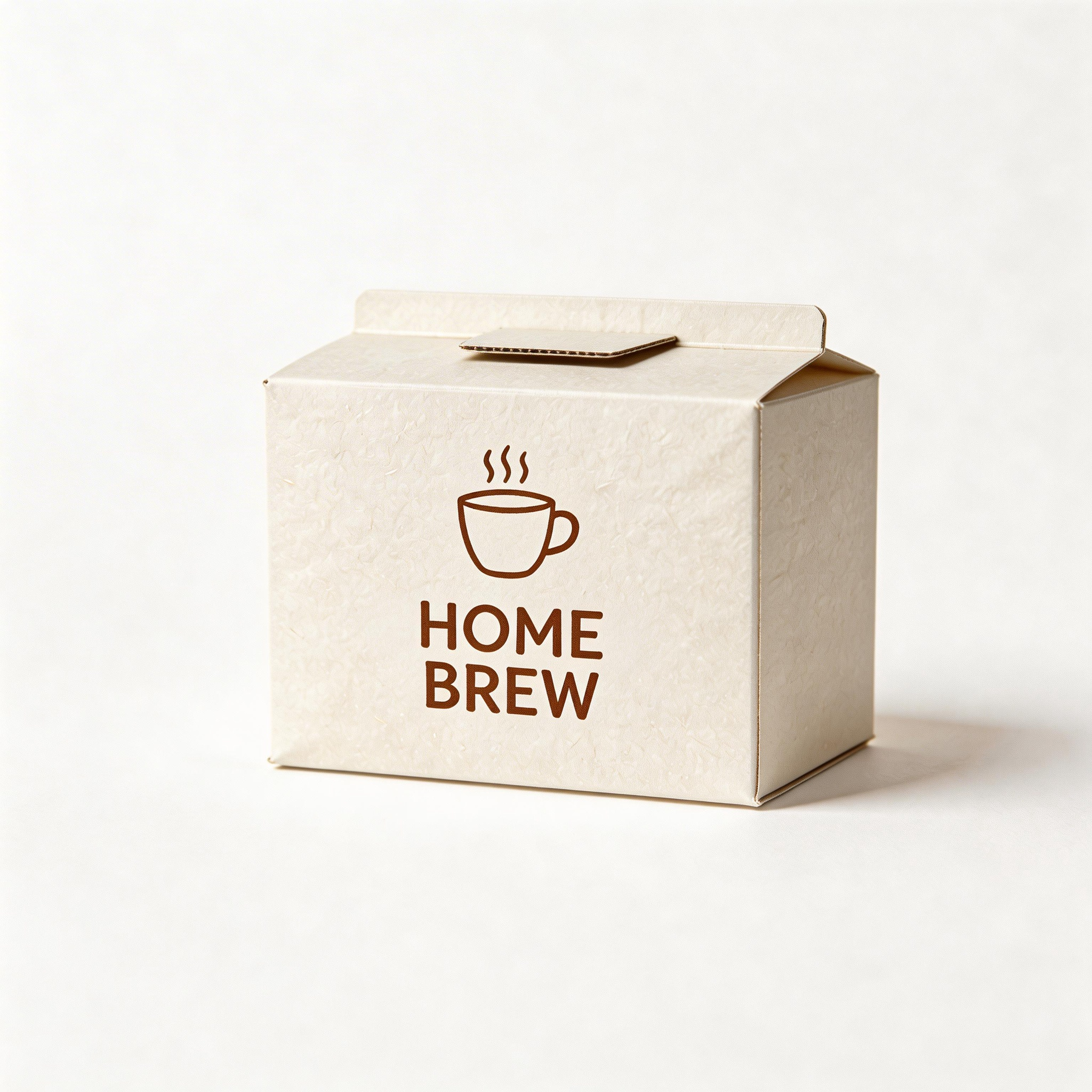
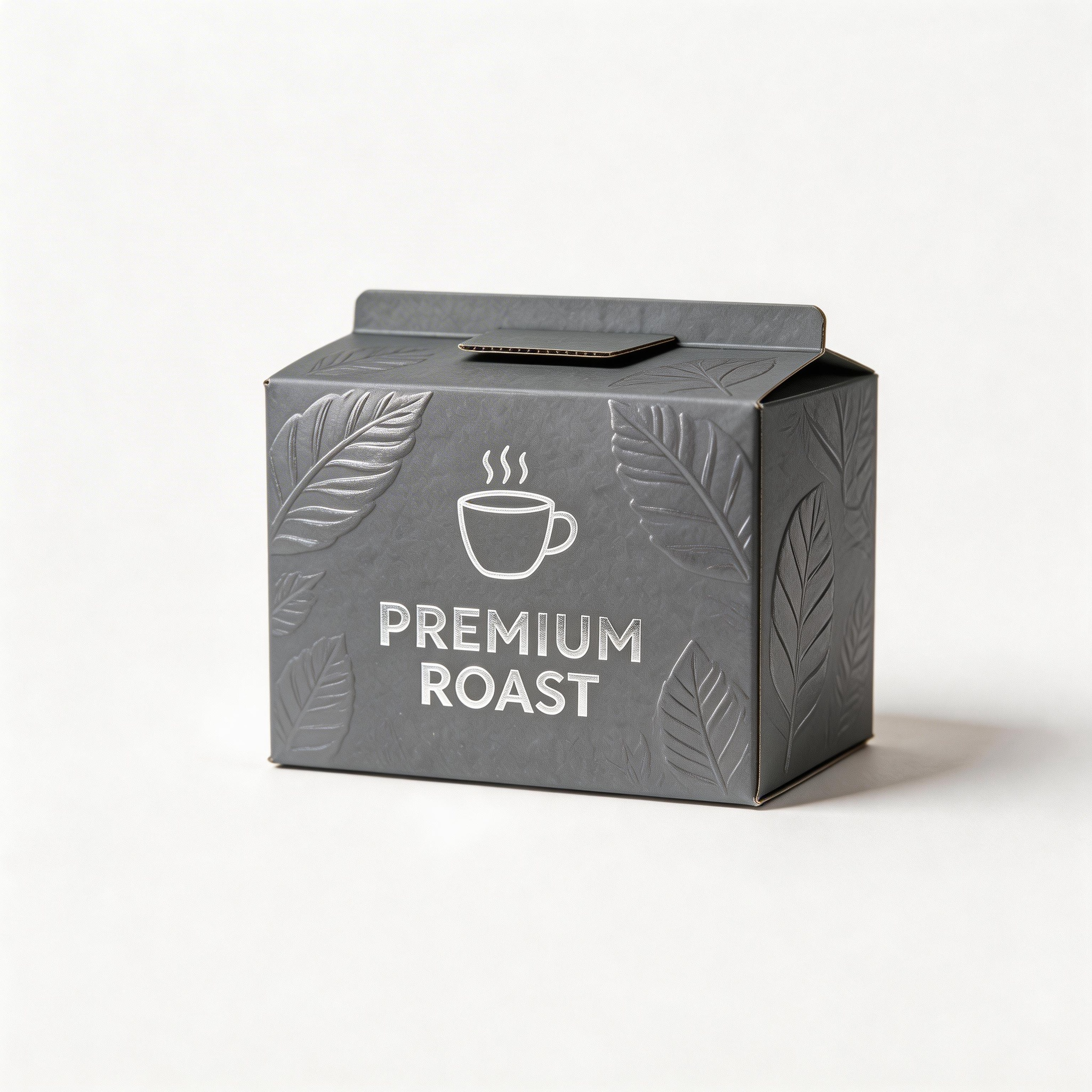
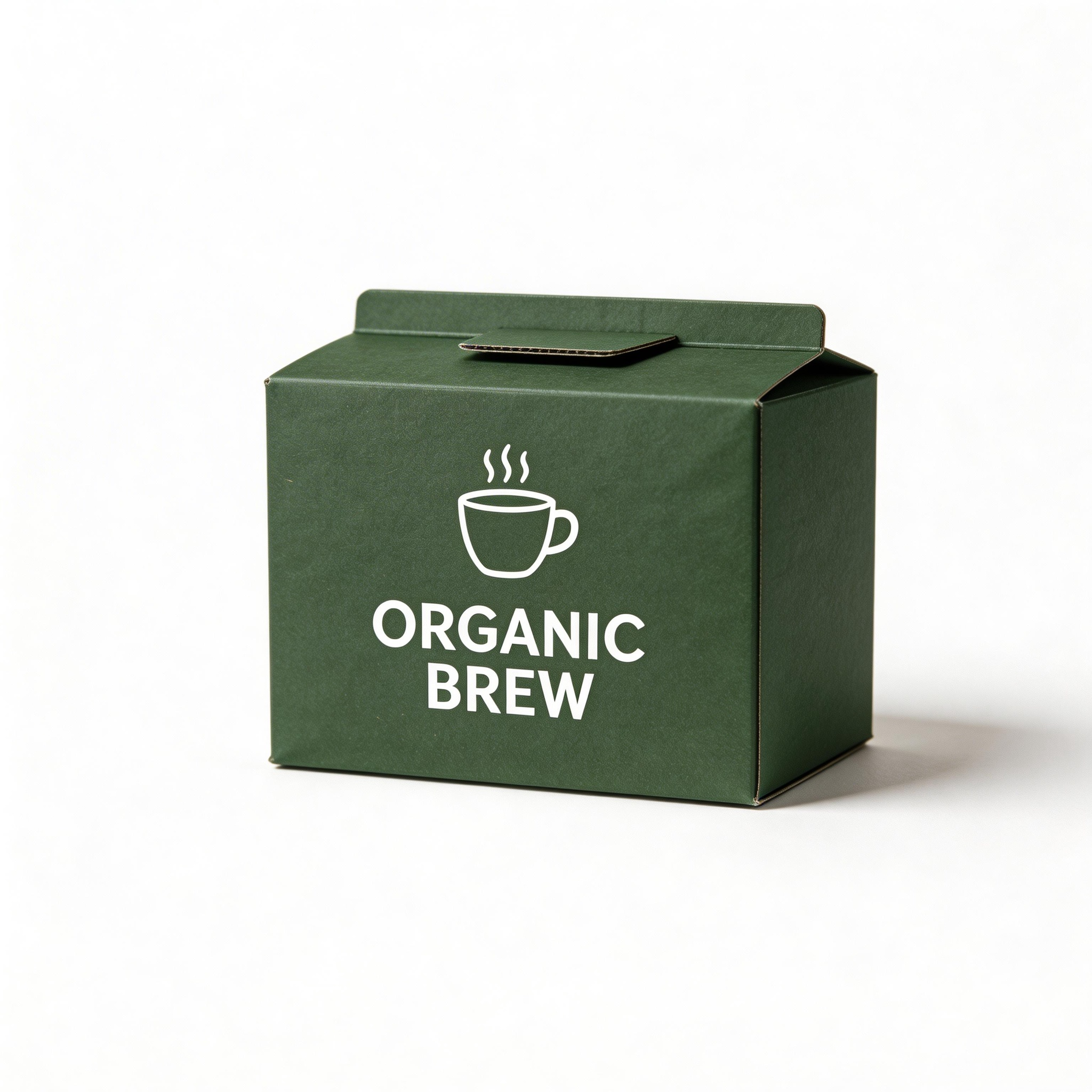
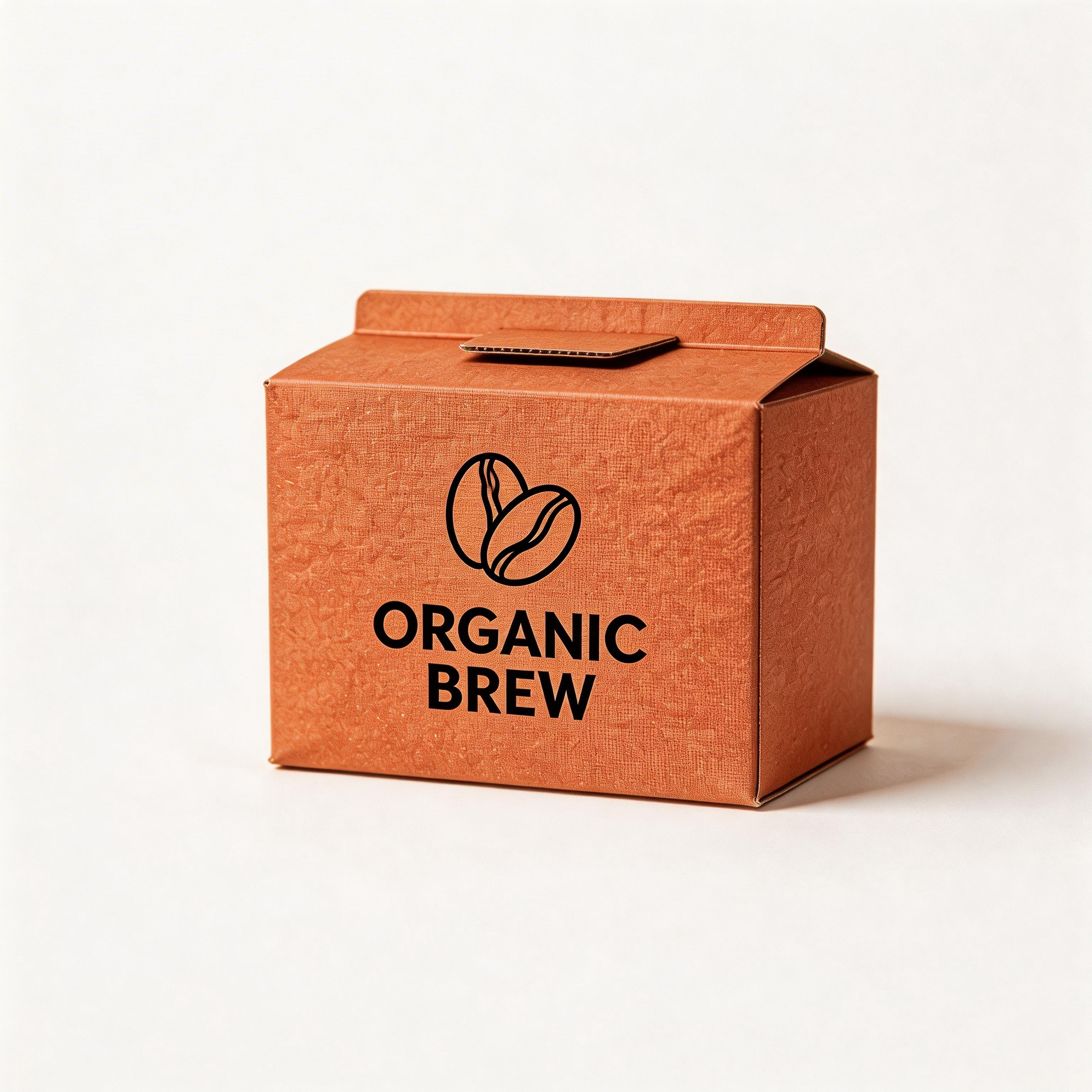
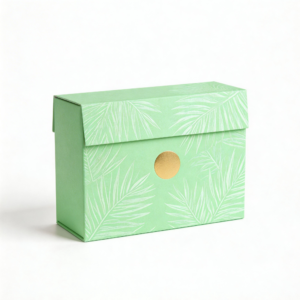
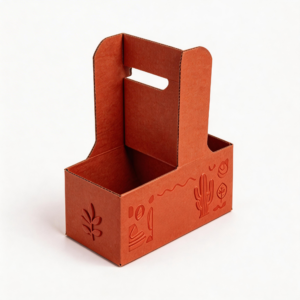
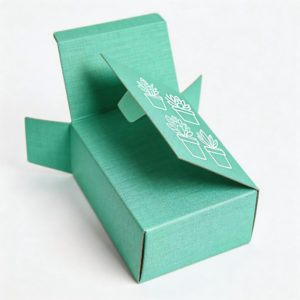
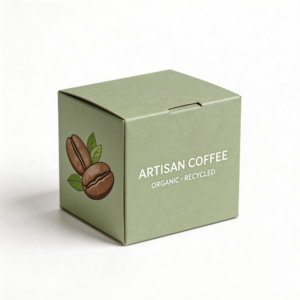
Image disclosure: The four gallery images contain an AI-generated-content label in their source metadata. They are visual references for outer coffee carton designs, not product photographs or proof of Eastpkg® production, material claims, organic certification or packaging performance.
Eastpkg® combines production and supply chain management for B2B packaging projects. Use this enquiry to discuss packaging requirements and the evidence needed for a proposed solution. Availability of a particular pouch, valve, liner or other component must be confirmed for the project.
Define the Coffee Format and Packing Process
State whether the product is whole bean, ground coffee, individually sealed portions, capsules or another format. Include the target filled weight, primary-pack dimensions, quantity, destination and the packing process. Ready-to-drink coffee is a different primary-container task and is not assumed to be covered by a paper box or pouch listing.
Separate the primary pack that contains the coffee from an outer retail, gift or subscription box. For an outer box, provide the actual filled pack and the arrangement of any accessories so fit and removal can be assessed.
Specify Barrier, Seal and Valve Requirements
Discuss the intended storage conditions, target shelf life and the evidence required to support them. Ask for the proposed layer structure, sealing requirements and relevant assessment rather than relying on a material name or an “airtight” description.
If a degassing valve is proposed, agree its purpose, specification, placement and evaluation with the coffee packing process. A valve is not automatically required for every coffee format, and its presence alone does not prove oxygen control or freshness. Confirm compatibility with the selected primary pack and filling process.
Review any zipper, tear opening or resealing feature against actual use. Opening convenience and the performance of the unopened production seal are separate checks.
Evaluate Environmental Statements Component by Component
Document the paper or film layers, coatings, adhesives, inks, valve, zipper, label and any other components. Do not treat paper appearance or a single recyclable component as proof for the complete pack.
- Recycled content: define the component, percentage and calculation basis, including pre-consumer or post-consumer origin.
- Recyclability: review the finished structure and the intended destination collection, sorting and reprocessing route.
- Compostability or biodegradability: request evidence for the exact construction, conditions and disposal route; these terms do not mean recyclable.
- Certification: verify the relevant holder, current scope, chain of custody and claim permission where required.
The product name does not establish an environmental outcome or an approved material claim. Use the materials and claims checklist to organise supporting documents.
Plan the Outer Pack and Artwork
For gift or retail sets, identify how the sealed coffee packs and accessories sit inside the outer box. Check product removal, compartment layout, assembly and transport packing. Do not replace a verified primary barrier with a decorative outer pack on appearance alone.
Use a dieline for the agreed structure. Review label areas, artwork orientation, folds, seals, valve position and barcode readability as applicable. Confirm substrate, print method, finish and colour reference in the sample approval.
Prepare the Sample and Quotation Brief
Agree what a sample will demonstrate and where it differs from the intended production construction. A presentation mockup is not a shelf-life, seal-integrity or food-contact test. Record the agreed specification, assessment requirements and approval version.
Send your coffee packaging brief with the coffee format, filled weight, dimensions, quantity, destination, artwork status and required documents. Confirm minimum quantity, sample costs, production timing, packing and delivery terms in the quotation.

Reviews
There are no reviews yet.