
Custom Pop Displays | Retail-Ready Cardboard Display Stands
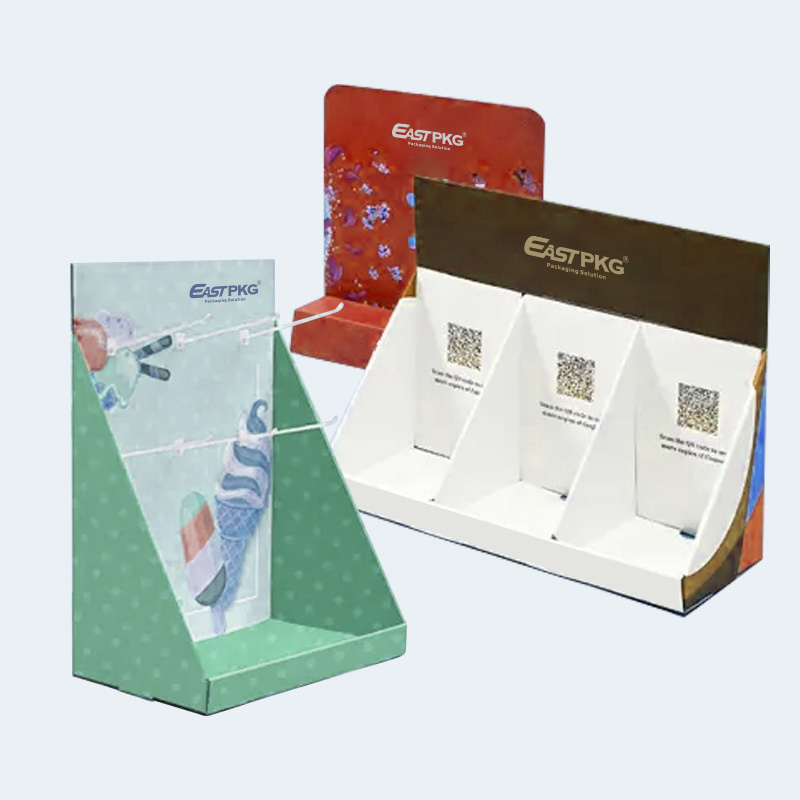
Custom pop displays designed to boost retail sales. Durable cardboard stands with full-color branding, quick assembly, and free structural design. Request a quote today.
Full Customization Options
We offer complete customization to ensure your display stands out and aligns with your branding.
- Custom sizes & structures
- High-quality printing (CMYK & Pantone)
- Matte, gloss, UV coating
- Die-cut shapes & creative designs
Get a custom quote within 24 hours. Free structural design consultation included.
Why Choose Cardboard Displays?
Cardboard displays are cost-effective and versatile, making them ideal for product promotions. They are easy to assemble, transport, and recycle, making them a sustainable packaging solution.
- Eco-friendly & recyclable
- Lightweight yet durable
- Custom shapes & printing
- Perfect for retail environments
our Products
Custom Pop Displays | Retail-Ready Cardboard Display Stands
Why Invest in Custom Pop Displays?
✅ Boost Sales by 30%
Strategic floor displays increase product visibility. Retail studies show endcaps can lift category sales significantly.
✅ 100% Recyclable
Made from FSC-certified corrugated board. Water-based inks meet global sustainability goals.
✅ Tool-Free Assembly
Snap together in under 3 minutes. Lightweight yet strong — reduces shipping costs by up to 60%.
✅ Full-Brand Customization
Offset or digital printing, matte/gloss lamination, spot UV, and custom die-cut shapes.
How to Order Custom Pop Displays
1. Share Product Details
Send product dimensions, weight, and preferred display type. We reply within 24h with initial concepts.
2. Structural Design & 3D Render
Engineers create CAD drawings and photorealistic 3D mockups. Approval before tooling.
3. Physical Prototype
Receive a functional sample in 5–7 days. Test assembly, weight capacity, and print quality.
4. Mass Production & Logistics
Bulk production in 15–20 days. Flat-packed for cost-effective global shipping.
What Makes a Premium Pop Display
Heavy-Duty Corrugated Grades
We use B-flute, EB-flute, or double-wall board. Each tier supports from 10kg to 80kg depending on design.
Reinforced Locking Mechanisms
Interlocking tabs and glue-less assembly ensure stability without metal parts.
High-Impact Graphics
CMYK + PMS matching, spot gloss, and textured finishes create shelf impact.
Frequently Asked Questions
MOQ starts at 500 units for fully customized structures. For standard PDQ sizes with custom printing, we accept 300 pieces. Prototype fees are credited toward mass production.
Physical samples are ready in 5–7 business days. Mass production takes 15–20 days after sample approval. Expedited options (10 days) are available for urgent launches.
Yes. We offer global drop-shipping, palletized delivery, and kitting services. Displays arrive flat-packed with easy assembly instructions.
Absolutely. We reinforce shelves and use double-wall corrugated for high-weight applications. Load testing is part of our design validation.
From our packaging experts
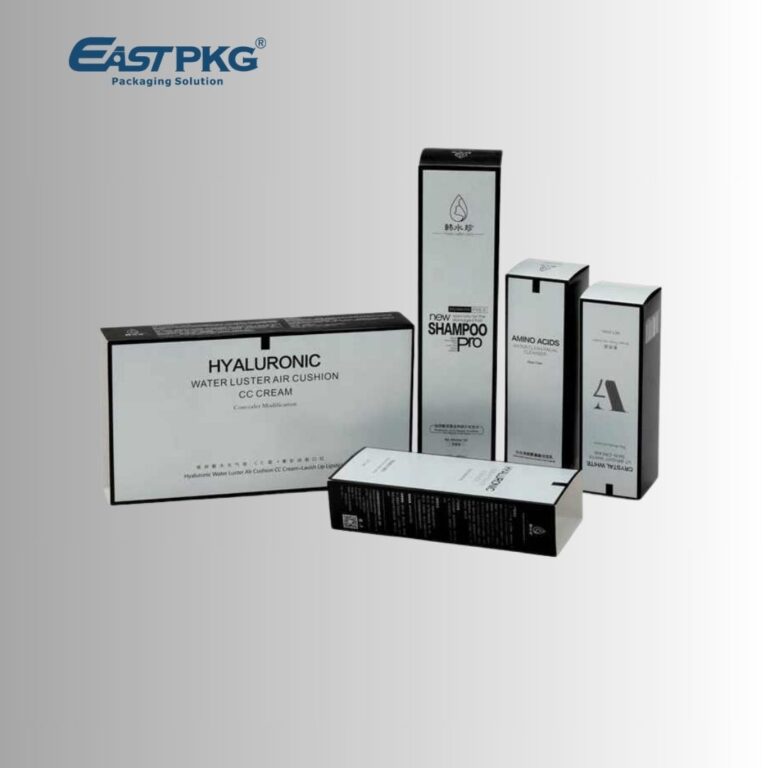
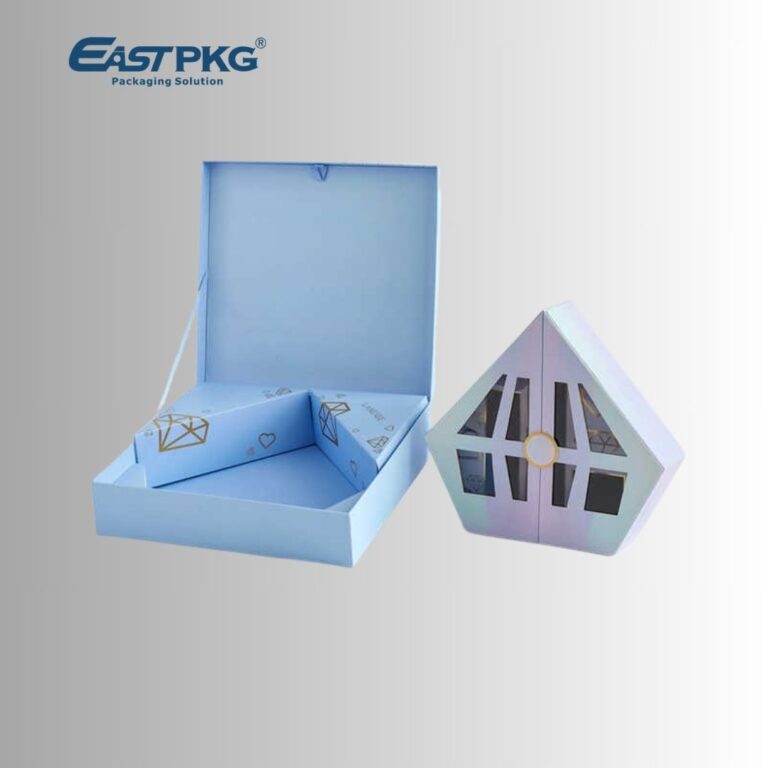
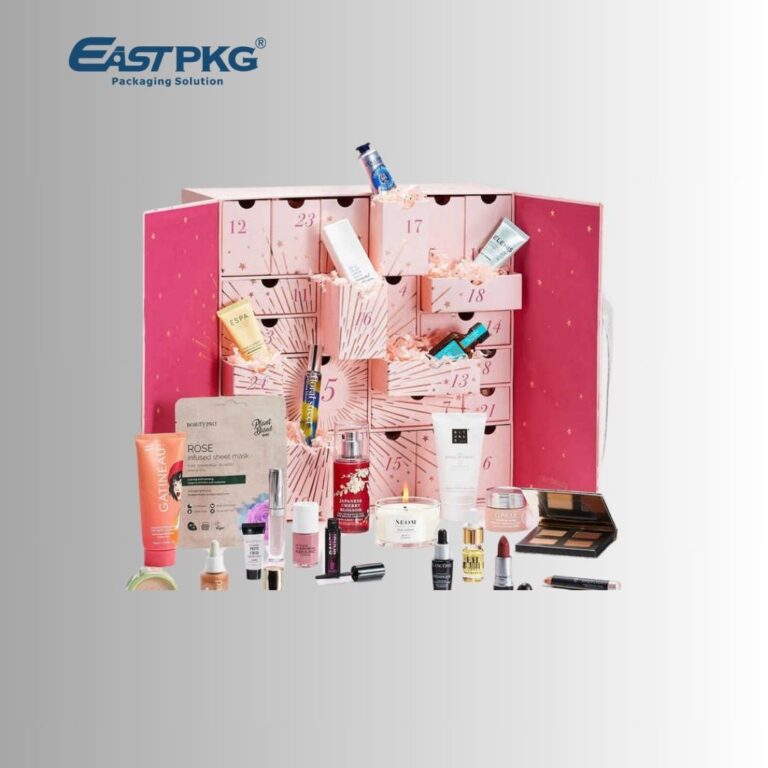
Here are our recommended packaging styles for your cosmetic products.
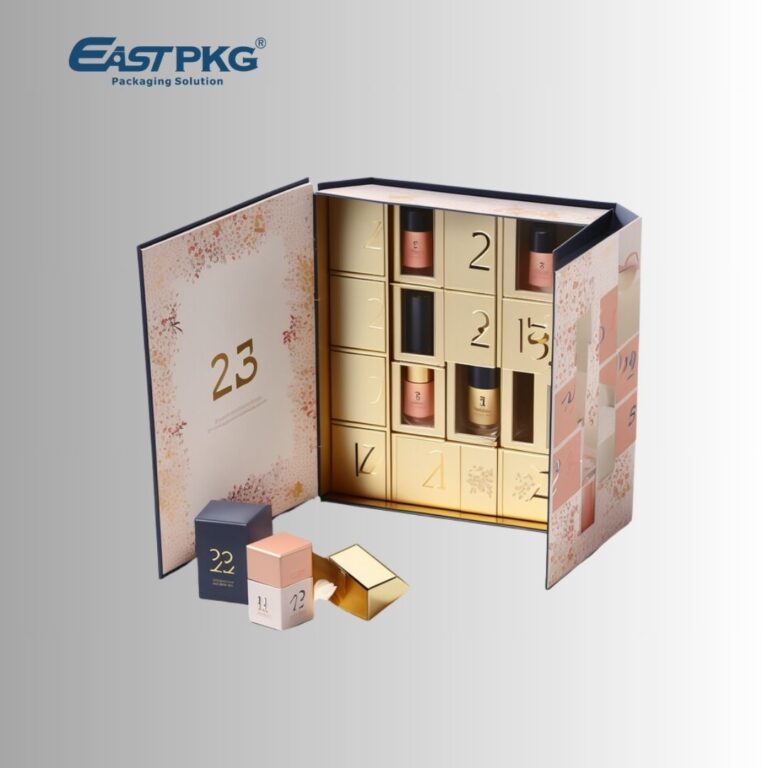
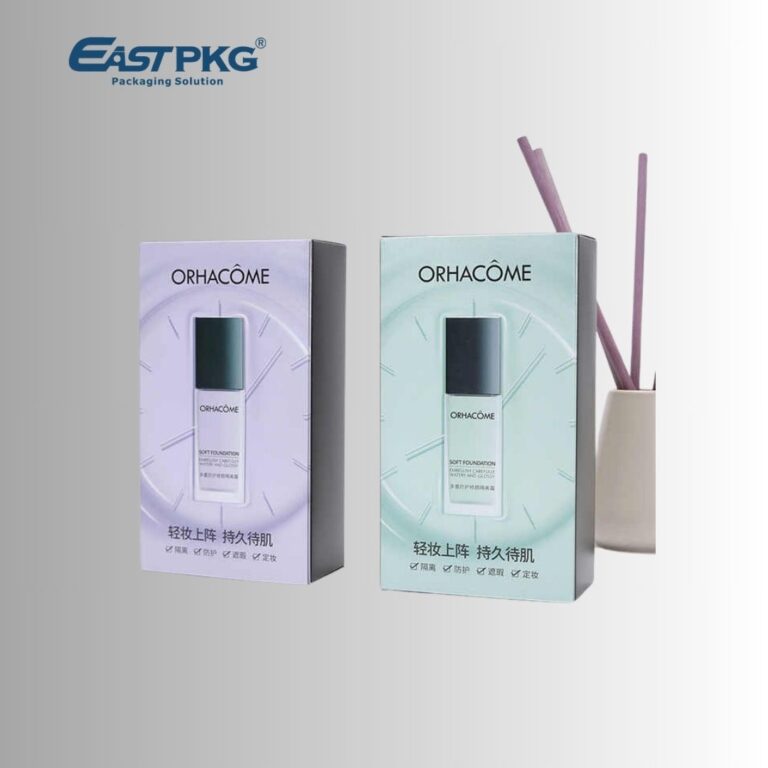
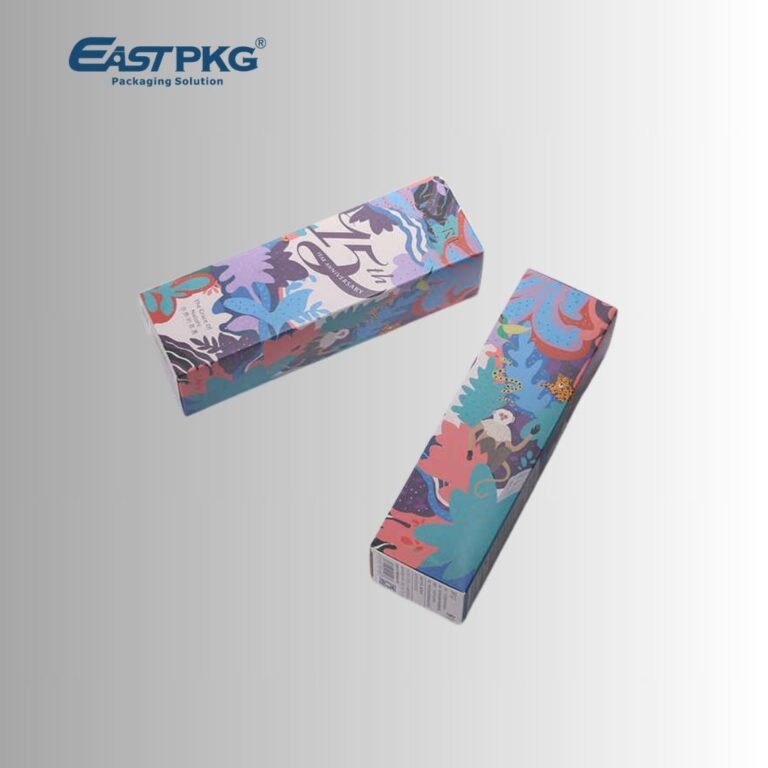
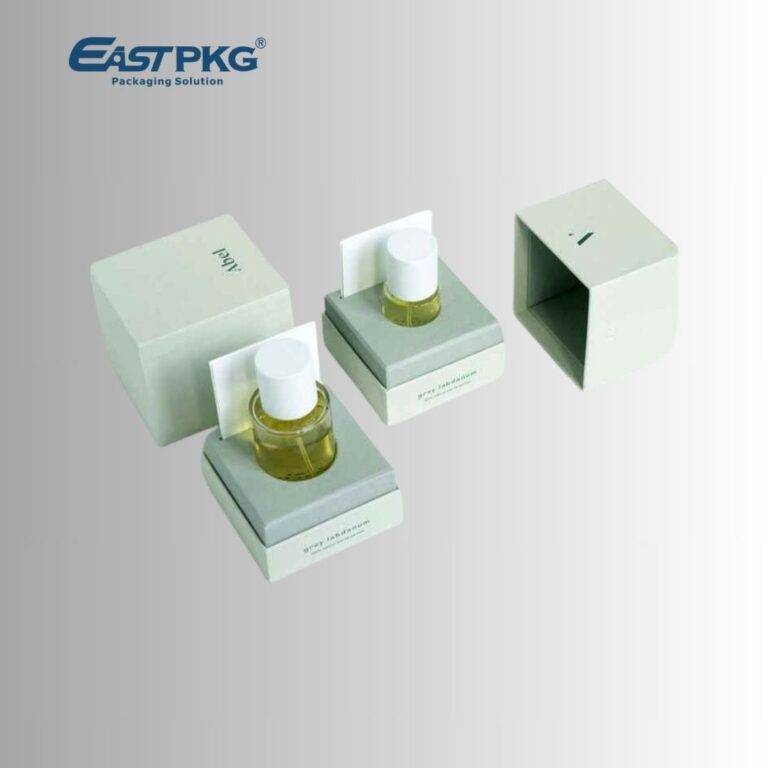
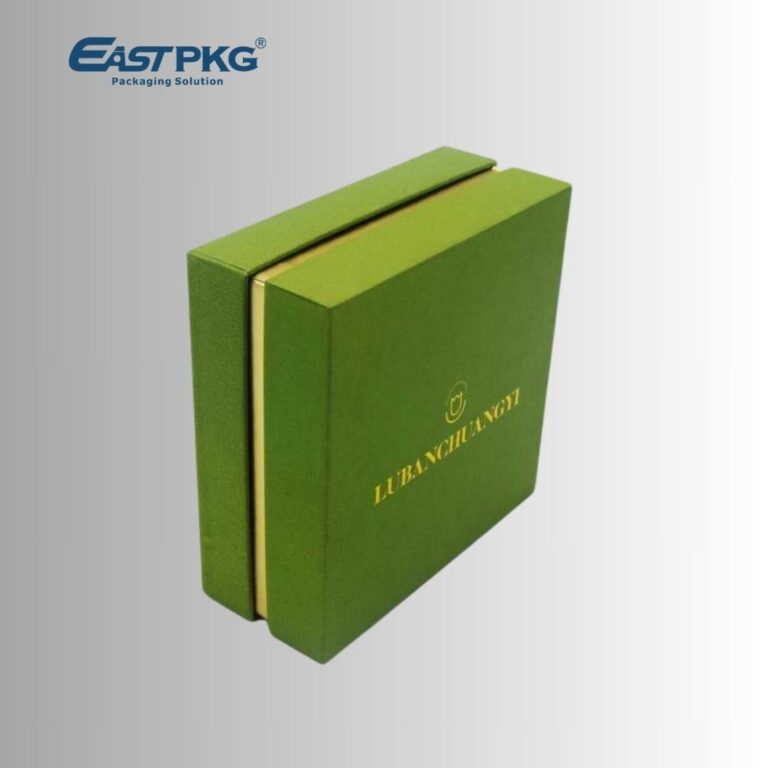
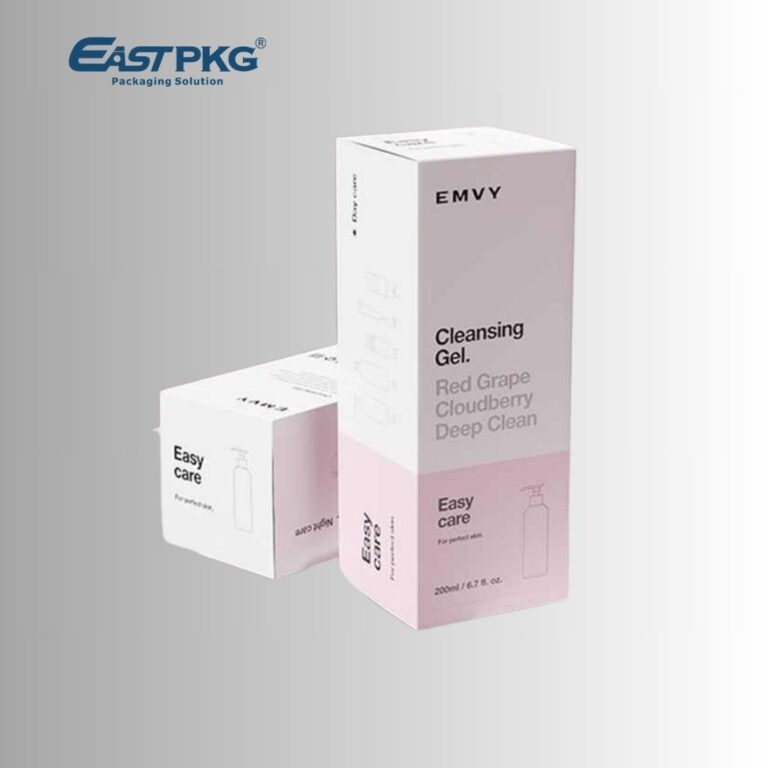
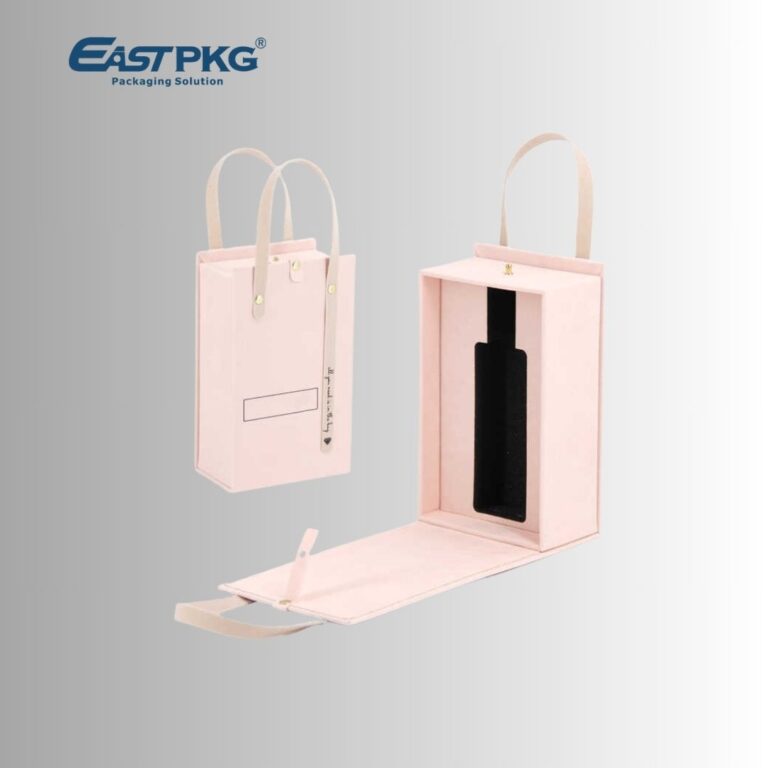
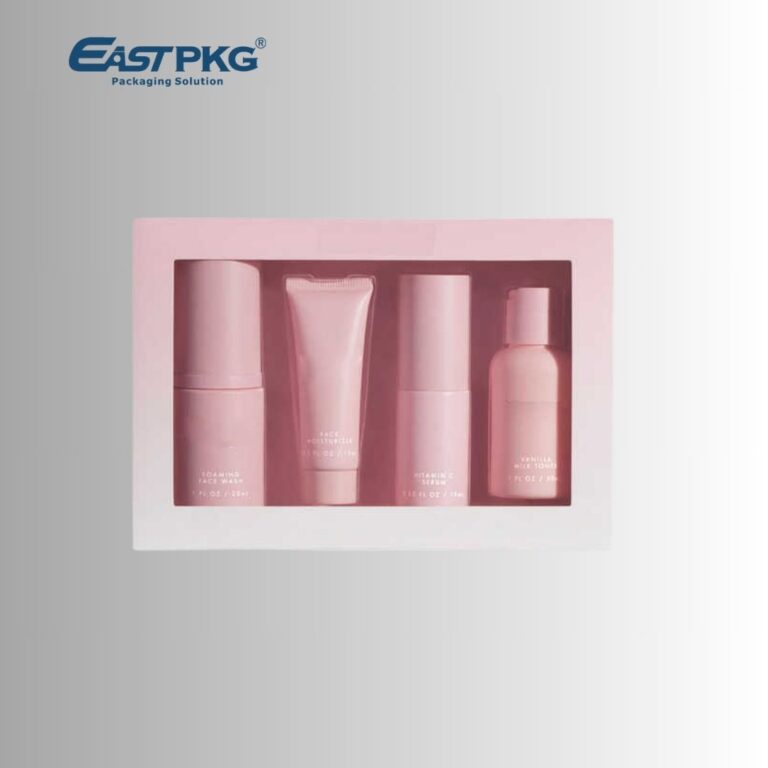
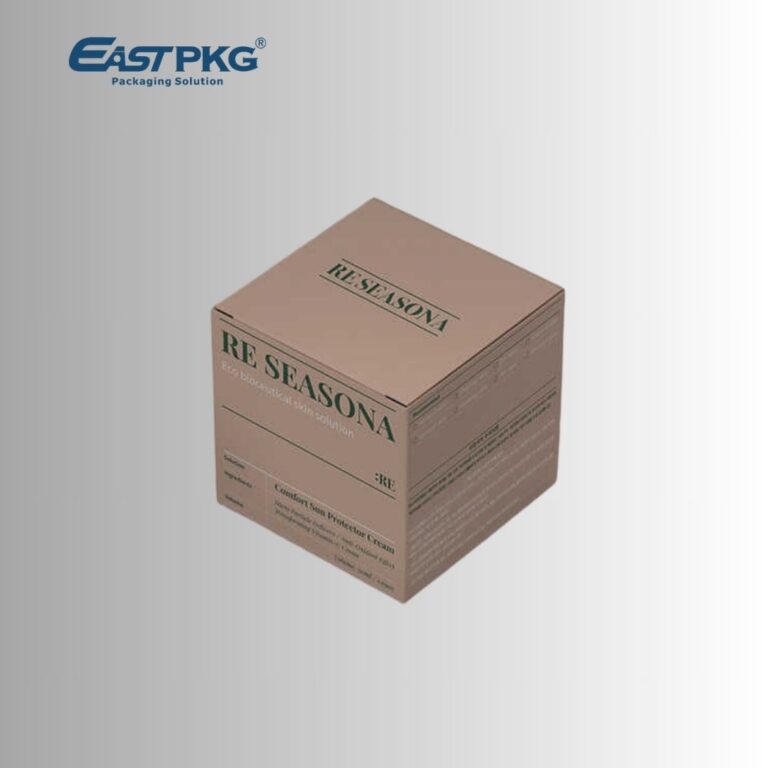
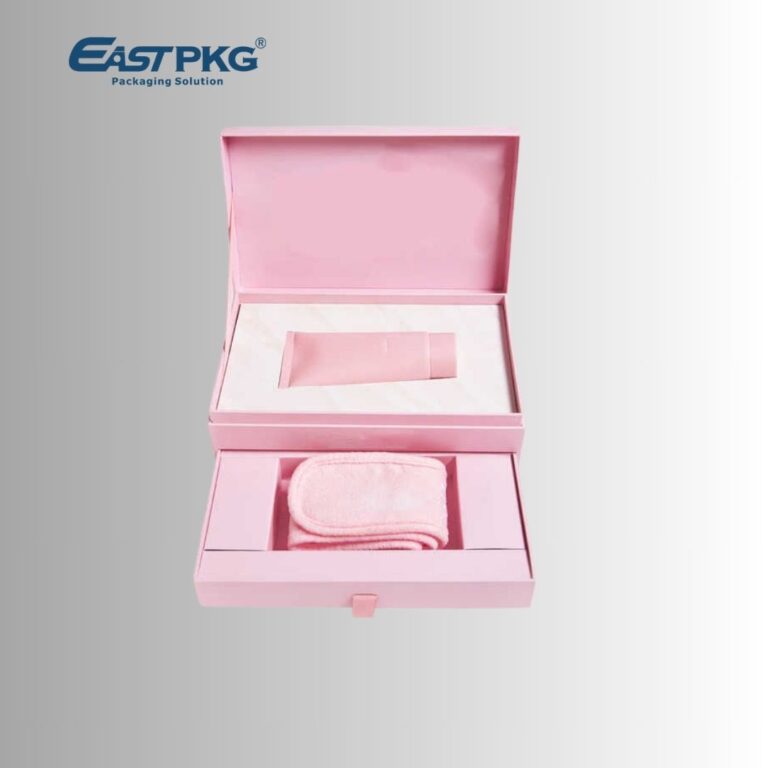
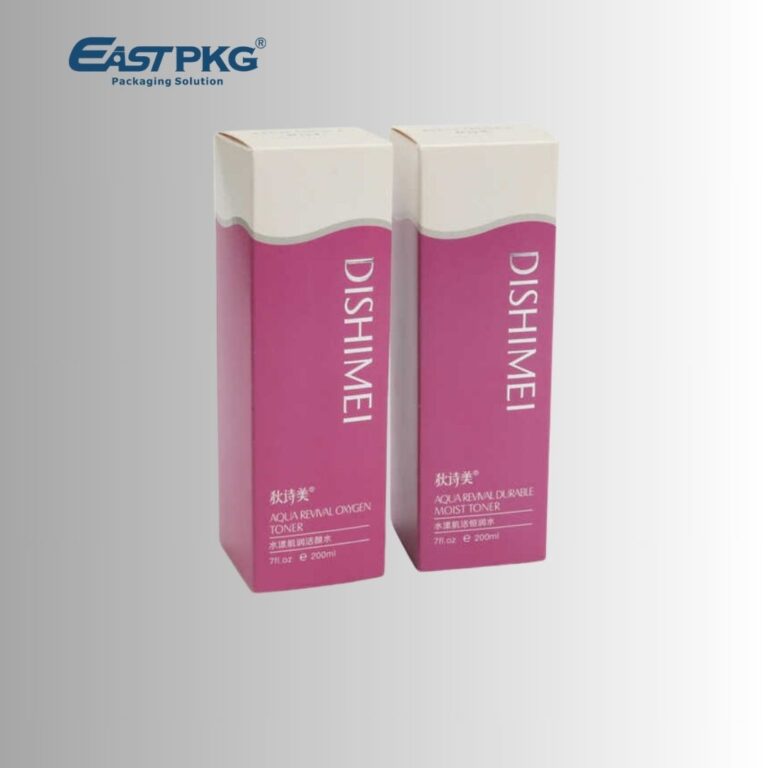
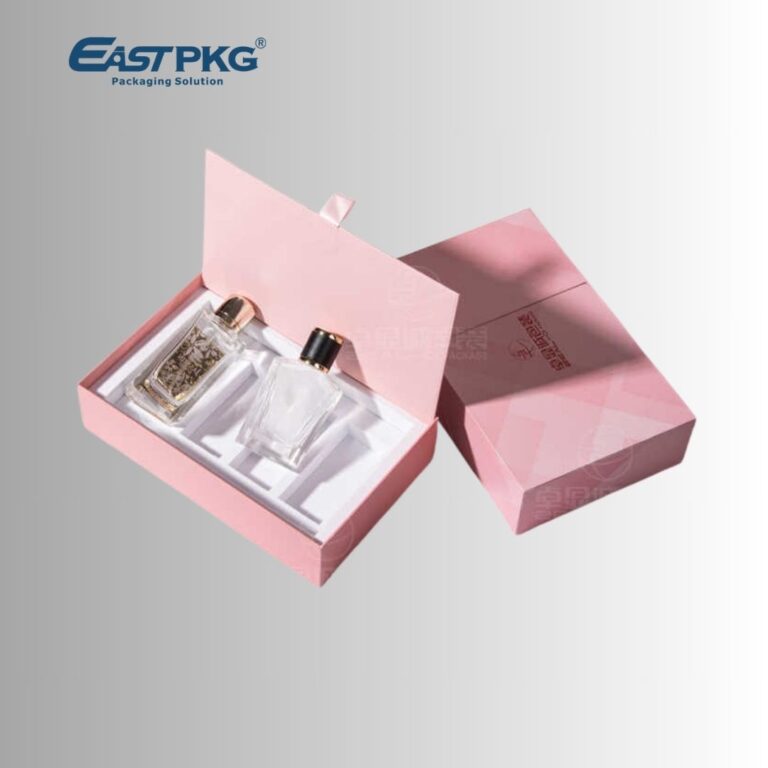
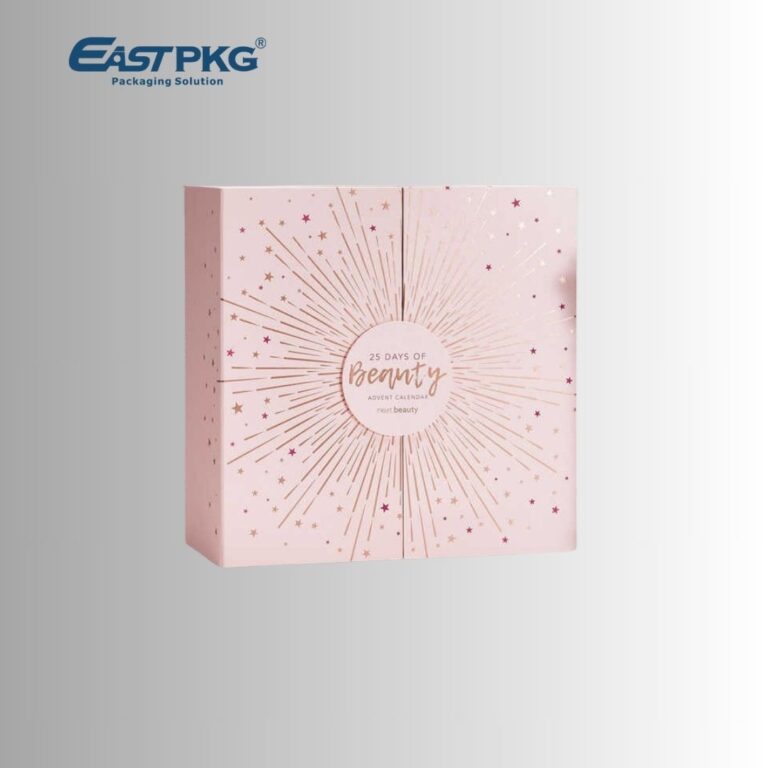
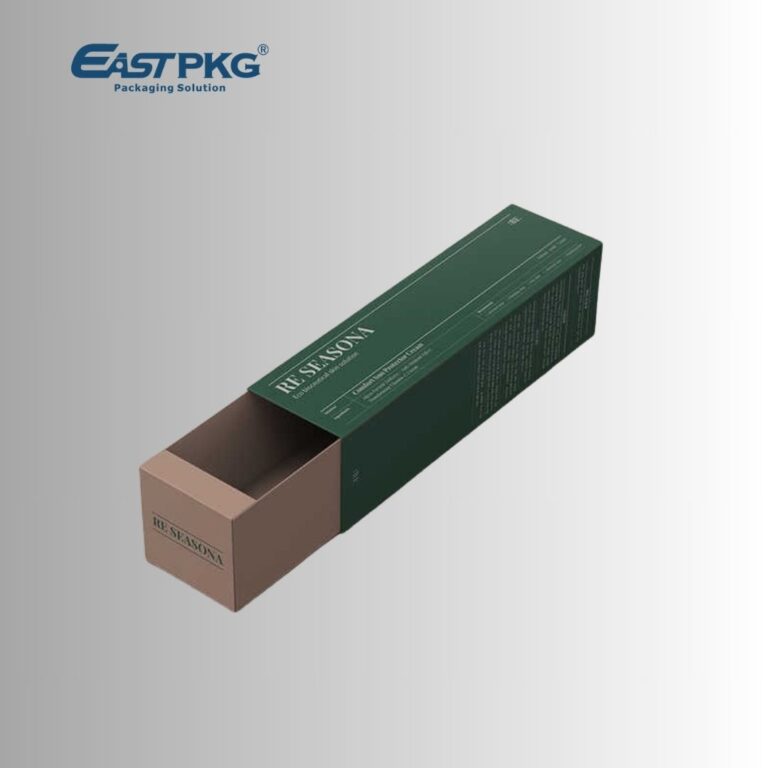
Popular packaging boxes
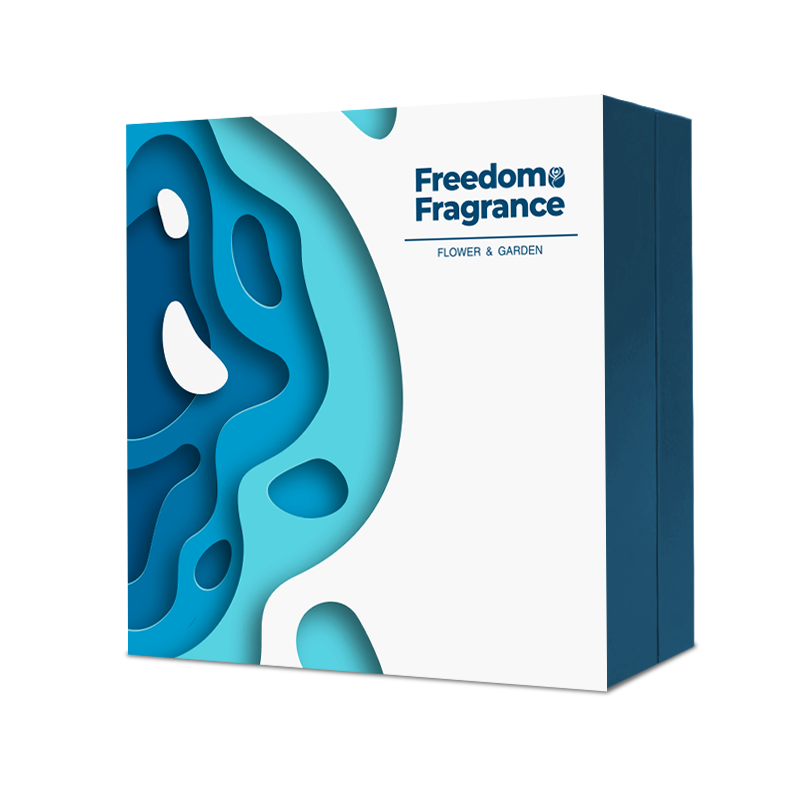
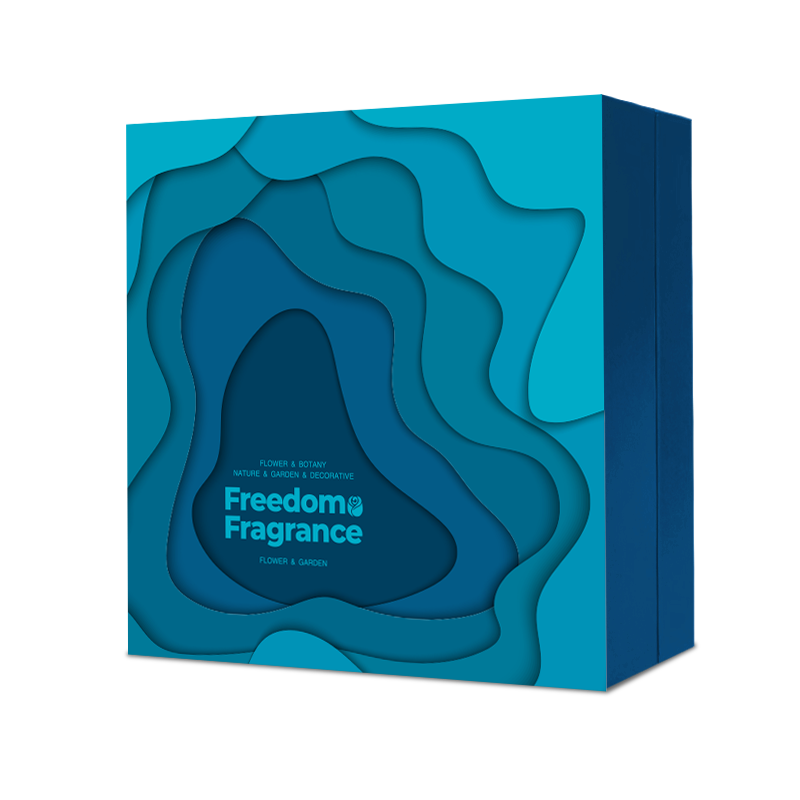
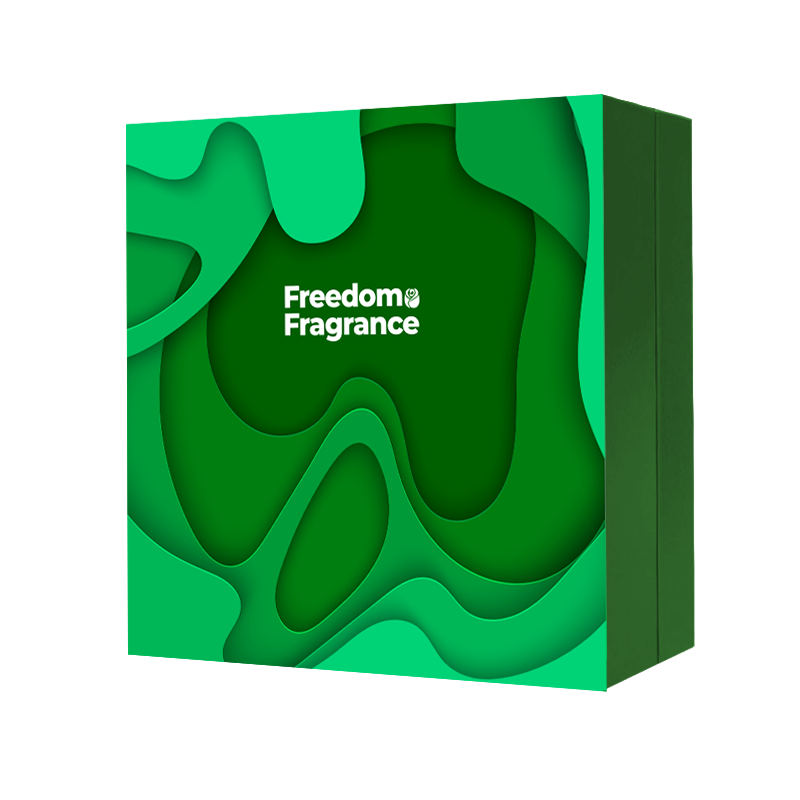
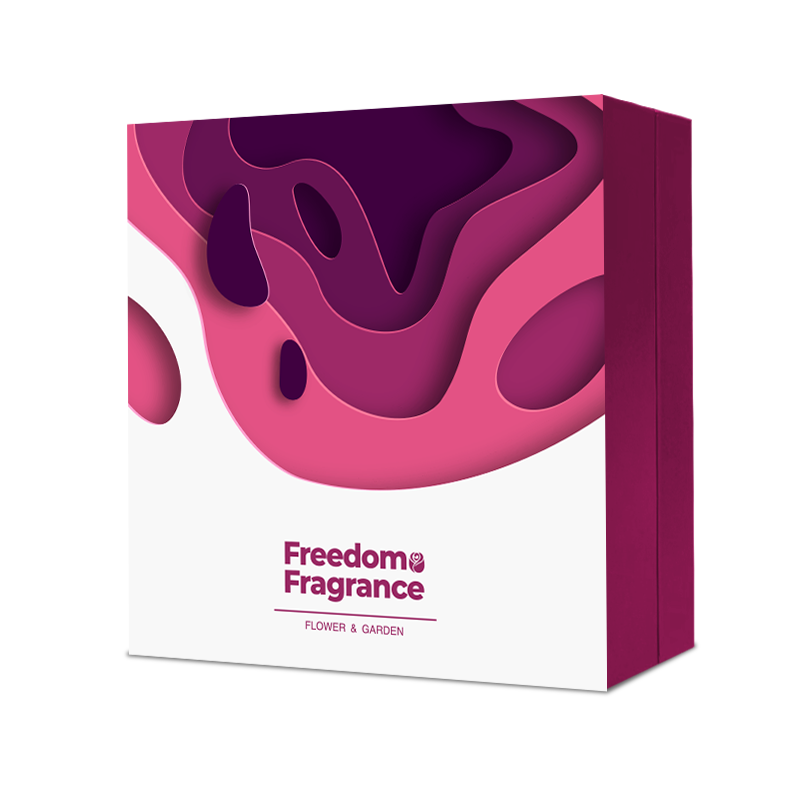
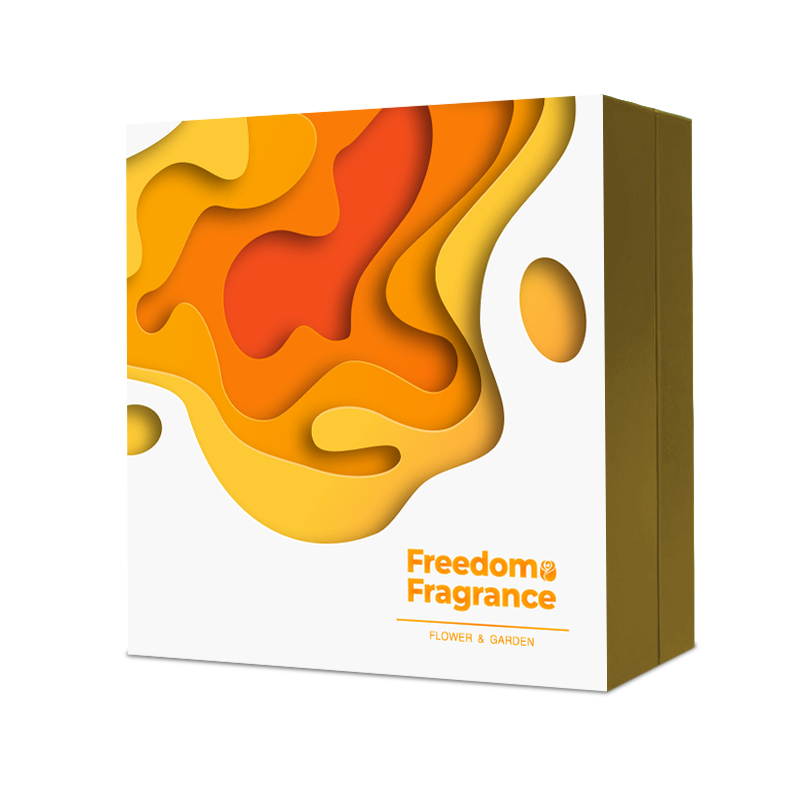
Custom rigid box packaging made by Eastpkg manufacturer
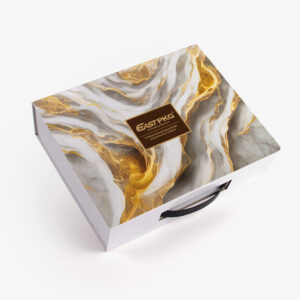
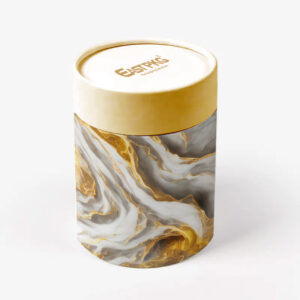
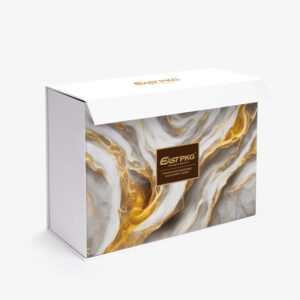
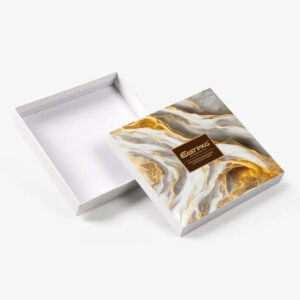
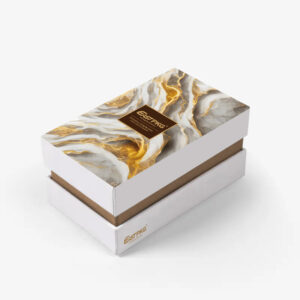
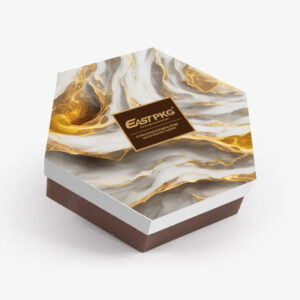
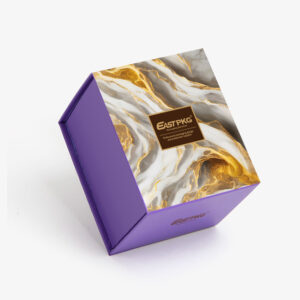
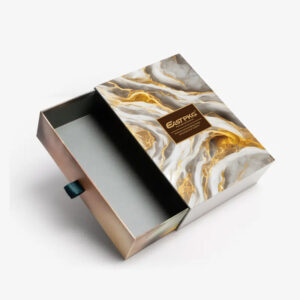
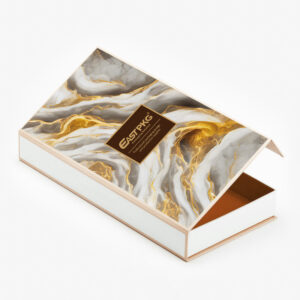
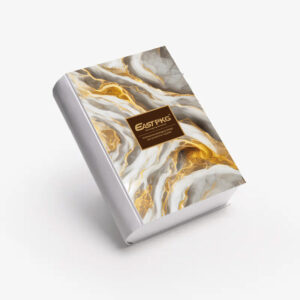
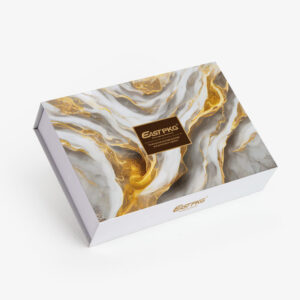
Professional custom luxury box factory in China
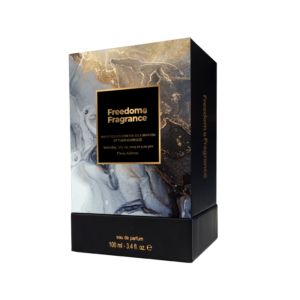
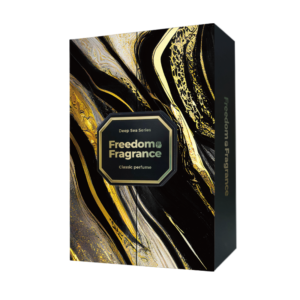
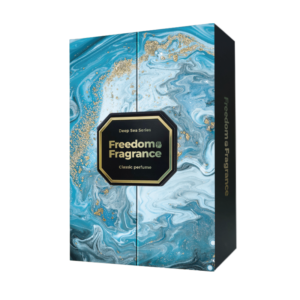
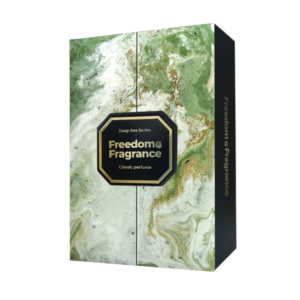
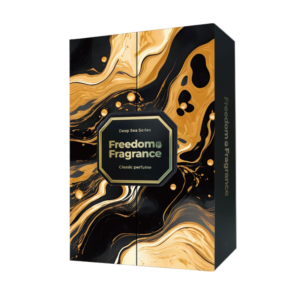
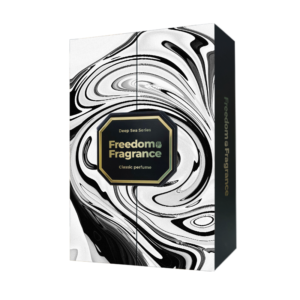
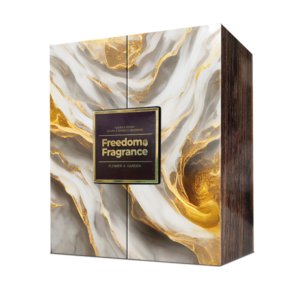
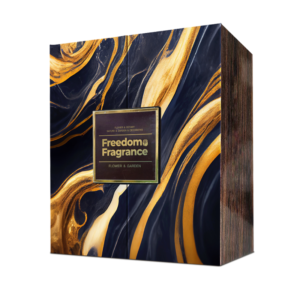
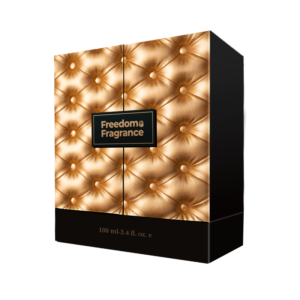
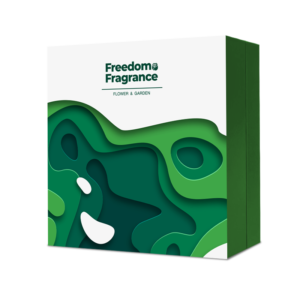
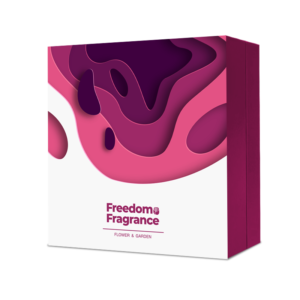
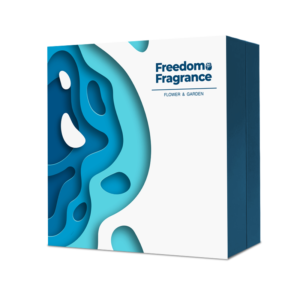
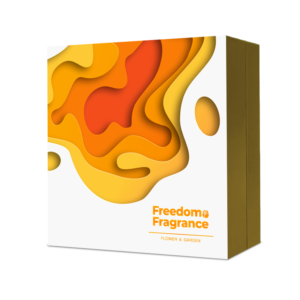
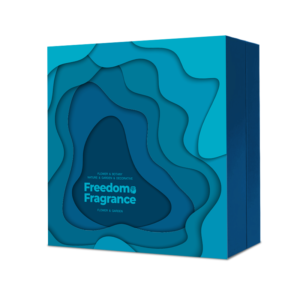
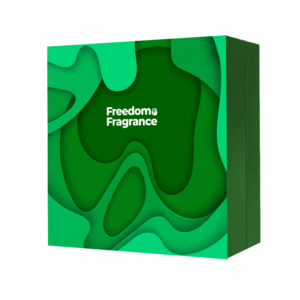
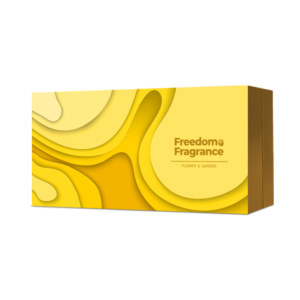
Custom rigid box packaging made by Eastpkg Manufacturer
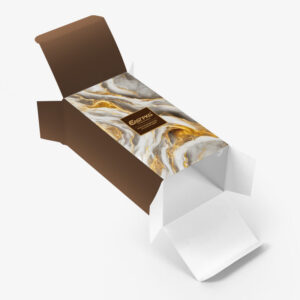
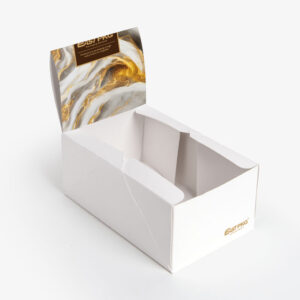
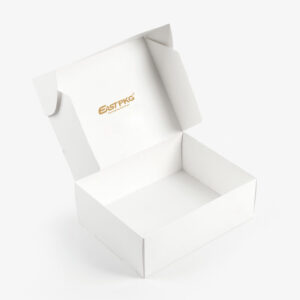
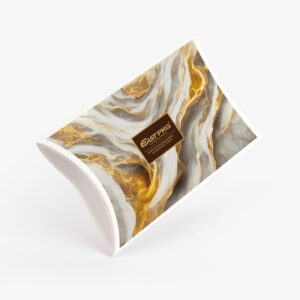
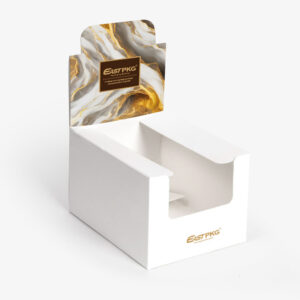
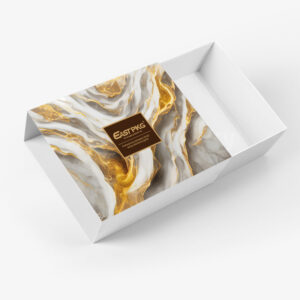
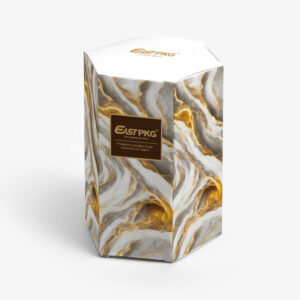
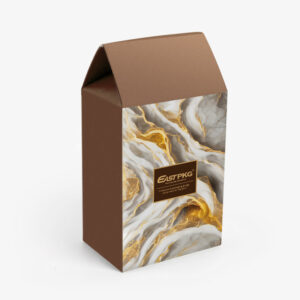
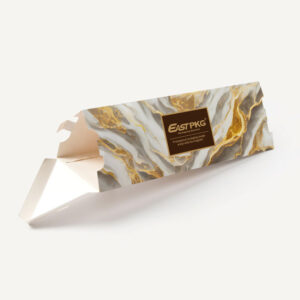
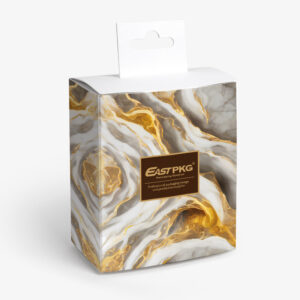
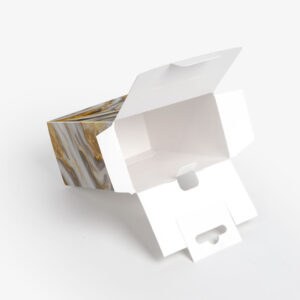
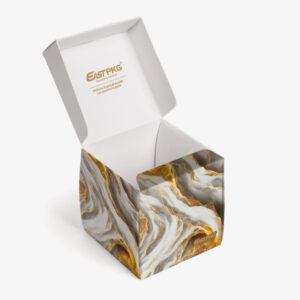
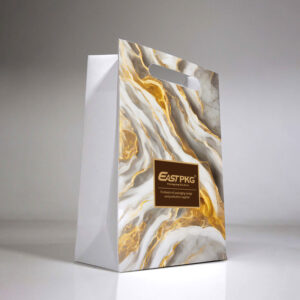
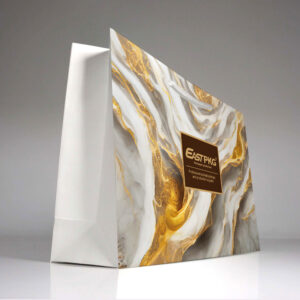
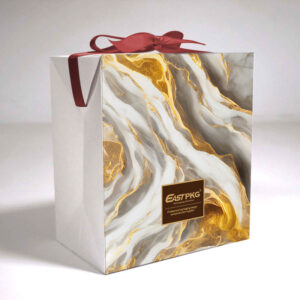
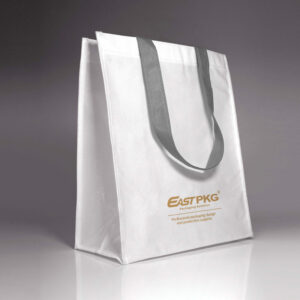
Custom bags made by different material
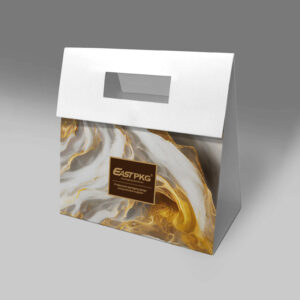
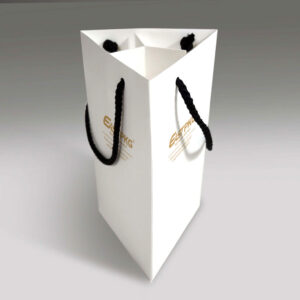
Options & Materials
Extra personality to your custom POP Displays
Enjoy endless packaging customization and create pastry boxes to build an appetite.
Different Finishing to make your packaging look more luxury
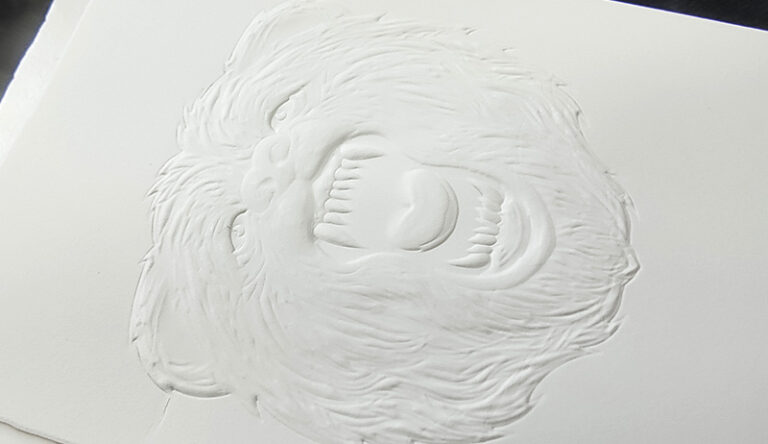
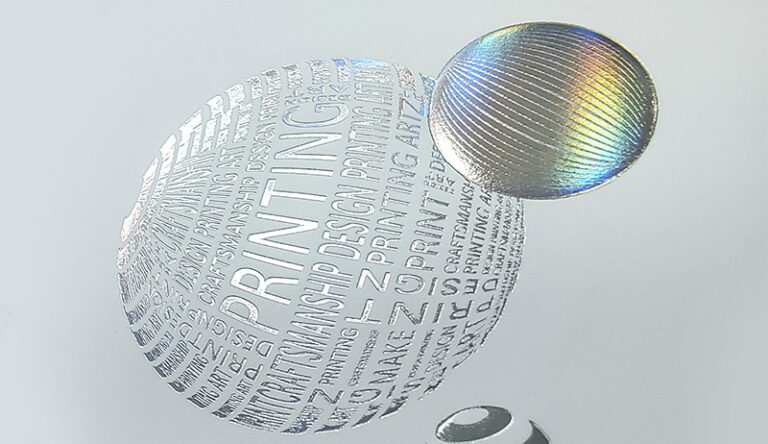
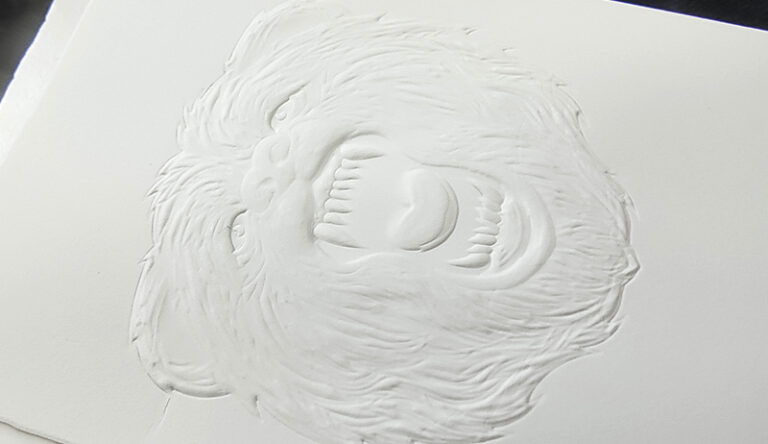
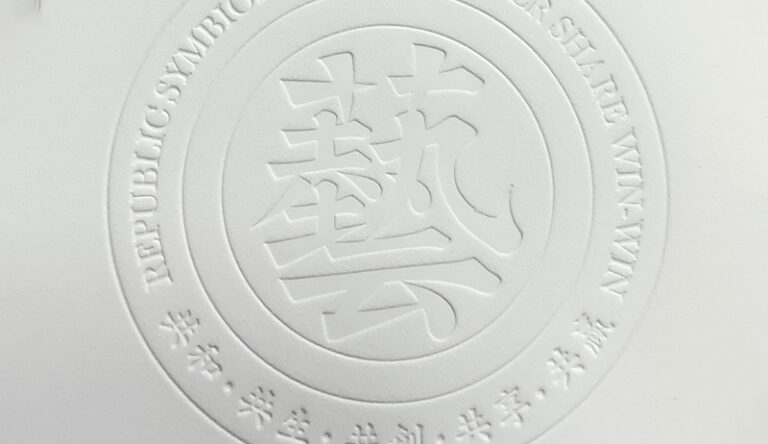
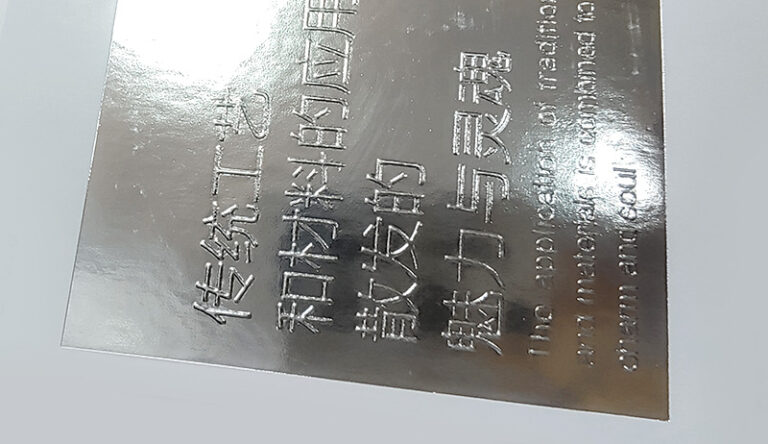
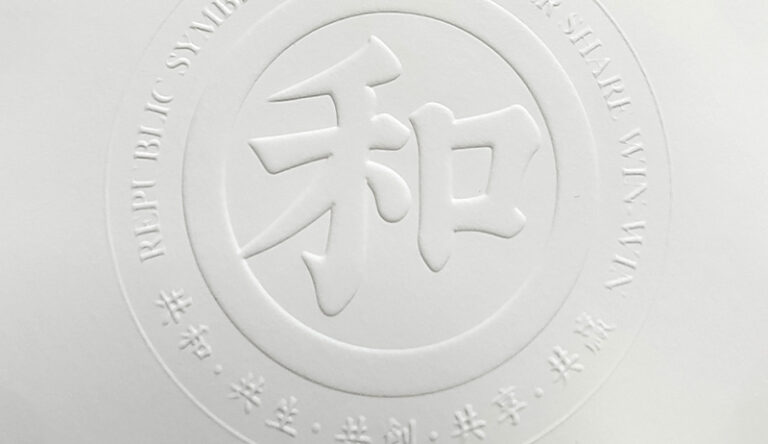
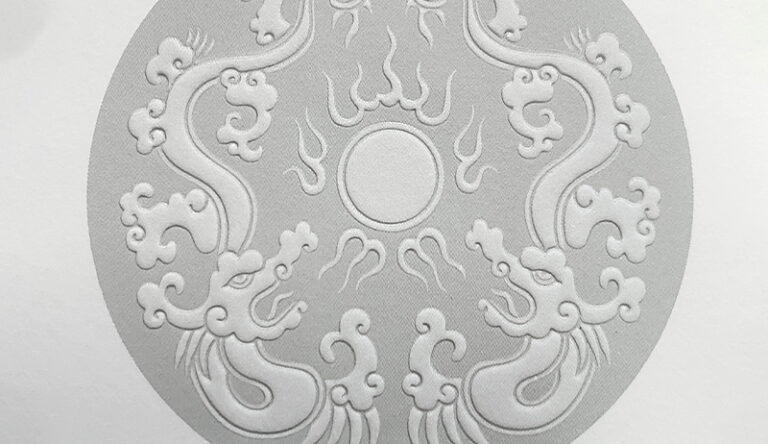
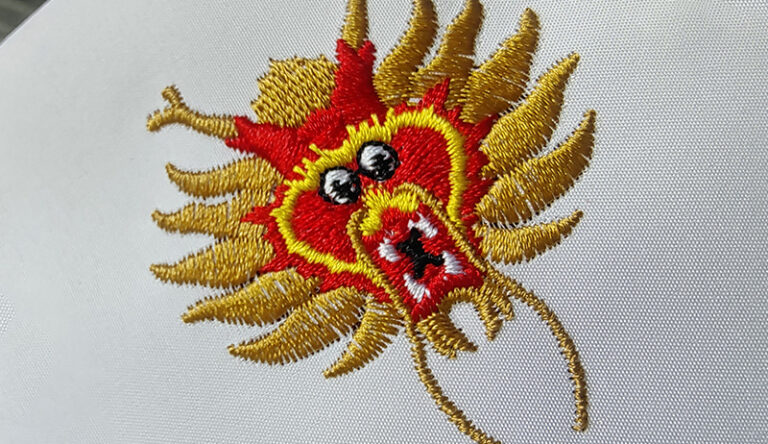
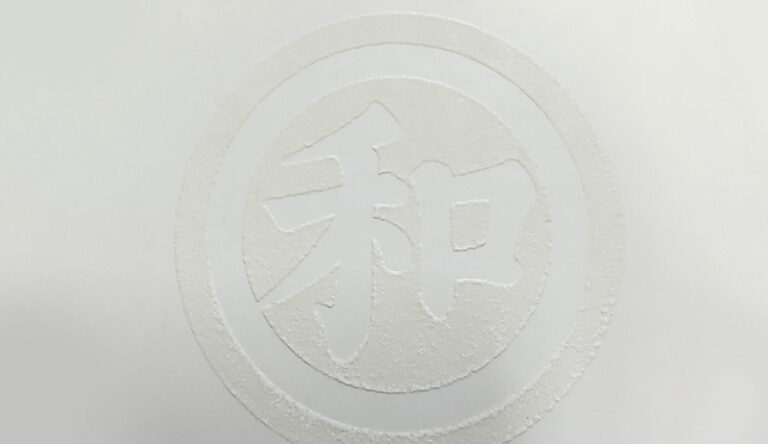
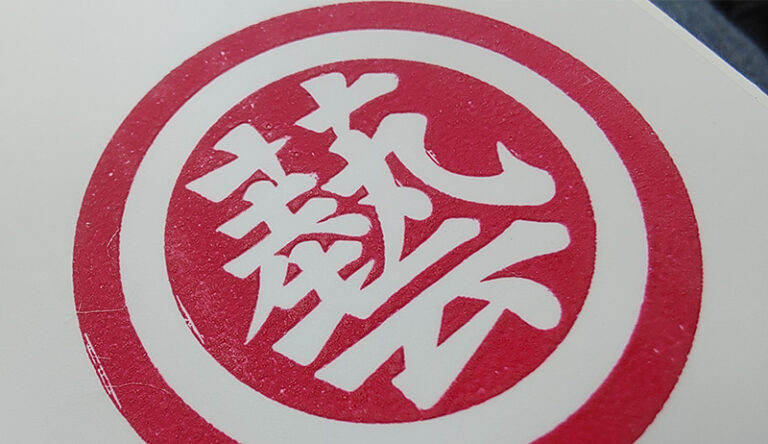
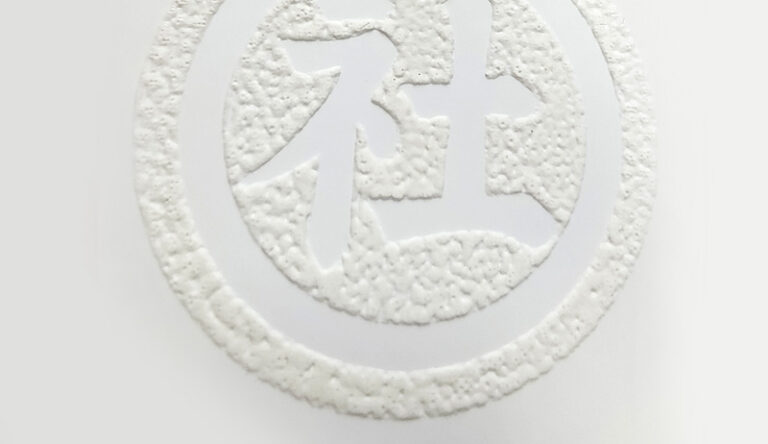
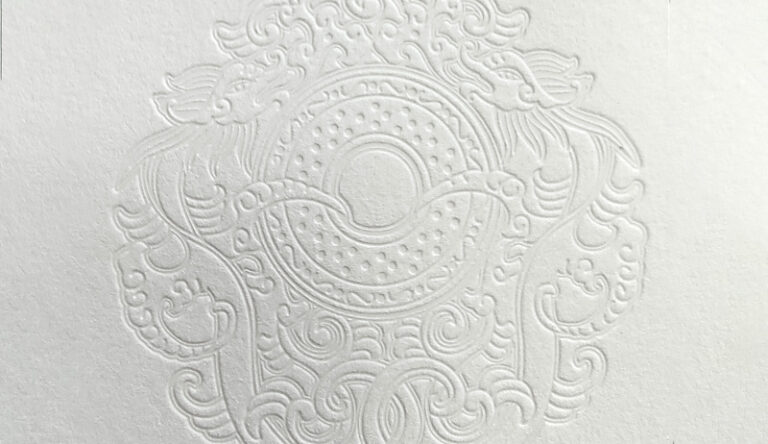
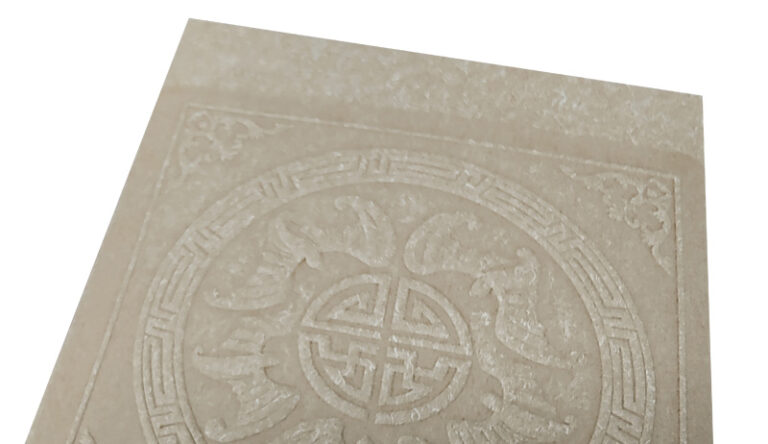
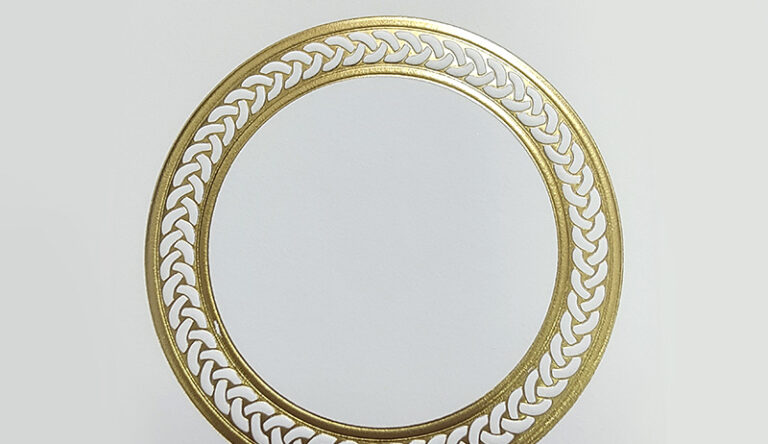
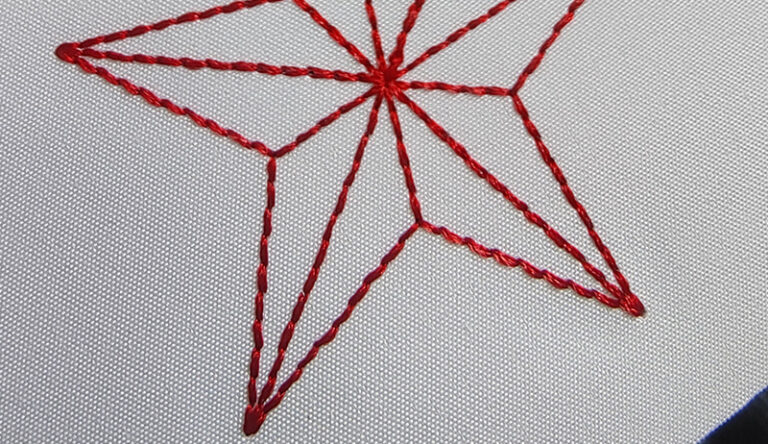
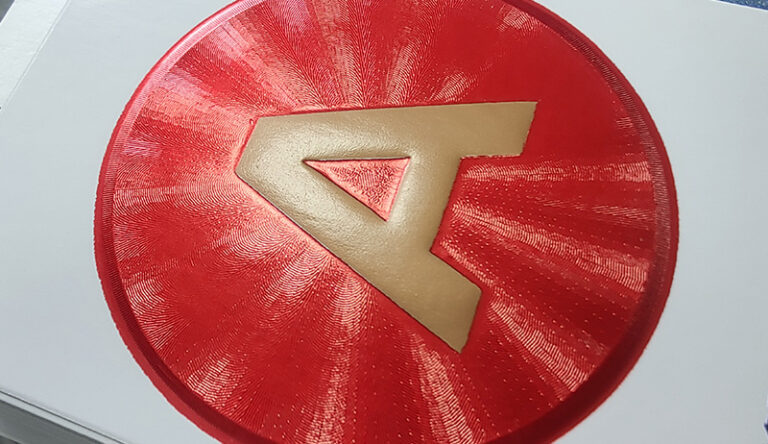
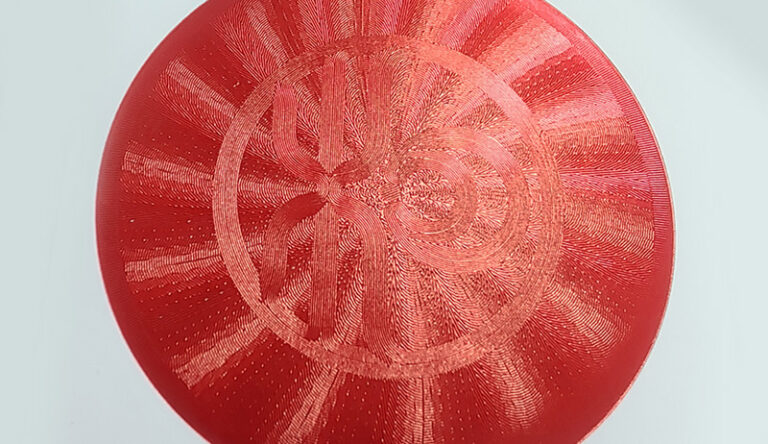
At Eastpkg Factory, we offer a variety of finishing options to elevate your custom packaging and create a lasting impression on your customers. Here are some of the most popular finishing techniques you can choose from:
1. Glossy Finish
A glossy finish adds a smooth, shiny coating to your packaging, making it visually striking. This finish is perfect for brands that want their packaging to stand out with a vibrant and polished appearance. Glossy finishes are often used for luxury products or items that need to capture attention on retail shelves.
2. Matte Finish
Matte finishes provide a soft, non-reflective look that feels elegant and sophisticated. It is a popular choice for brands that aim for a more subtle and refined aesthetic. The matte finish adds a premium touch to your packaging while reducing glare, making it ideal for high-end fashion, cosmetics, and electronics.
3. Embossing and Debossing
Embossing creates a raised impression on the surface of the packaging, while debossing creates a recessed design. Both techniques add texture and depth to your packaging, giving it a tactile quality that enhances the overall experience. Embossing or debossing your logo or design makes it more prominent and adds a luxurious feel to your packaging.
4. Foil Stamping
Foil stamping involves applying a metallic or holographic foil to the surface of the packaging, often in gold, silver, or copper. This technique adds a shiny, reflective finish to specific elements of the design, such as logos or patterns. Foil stamping is a popular choice for luxury products, gift boxes, and special edition packaging, as it gives the packaging a premium and eye-catching look.
5. Spot UV Coating
Spot UV coating is a technique where a glossy finish is applied to specific areas of the packaging, creating a contrast between matte and shiny surfaces. This effect adds dimension and highlights key design elements, such as logos, text, or images. Spot UV is ideal for brands looking to create a dynamic and sophisticated design with added visual appeal.
6. Soft-Touch Coating
Soft-touch coating provides a velvety, smooth texture to the packaging, giving it a luxurious and tactile feel. This finish enhances the unboxing experience and adds a sense of elegance to the product. Soft-touch coating is often used for high-end packaging in industries like cosmetics, electronics, and fashion.
7. Lamination (Glossy or Matte)
Lamination involves applying a protective film over the surface of the packaging, which can be either glossy or matte. This adds durability to the packaging, making it resistant to scratches, moisture, and wear and tear. Lamination not only protects the packaging but also enhances the look and feel of the product.
8. Varnish Coating
Varnish coating is a cost-effective way to add protection and shine to packaging. It can be applied in either a glossy or matte finish, depending on the desired effect. Varnish coatings are commonly used for both retail and shipping boxes to give them a clean and polished look while adding a layer of protection.
9. Textured Paper or Specialty Materials
In addition to coating and printing finishes, you can opt for textured paper or specialty materials to give your packaging a unique feel. Textured papers, such as linen or kraft, add character and help differentiate your packaging from competitors. Specialty materials, like recycled or eco-friendly options, also support brands looking to convey sustainability.
Printing is a key element in packaging design that can transform a simple box into a powerful brand statement.
The right printing method not only enhances the visual appeal of your packaging but also communicates your brand message effectively. At Eastpkg Factory, we offer a range of printing techniques to meet the specific needs of different packaging projects. Here’s a look at some of the most popular printing methods for packaging:
1. Offset Printing
Offset printing is one of the most widely used techniques for high-quality packaging. It delivers crisp, vibrant images and is ideal for large production runs. This process transfers ink from a metal plate to a rubber sheet, which then applies the ink to the packaging material. Offset printing is perfect for brands that need detailed, high-resolution graphics and consistent color quality, making it a top choice for luxury packaging, rigid boxes, and product labels.
Advantages:
- High-quality, sharp images
- Consistent color accuracy
- Economical for large quantities
2. Digital Printing
Digital printing is a modern and flexible printing method that uses digital files instead of printing plates. It’s perfect for short-run packaging orders or designs that require frequent changes. With digital printing, you can print high-resolution images quickly and affordably. This technique is ideal for small businesses, customized packaging, and limited-edition products.
Advantages:
- Fast turnaround time
- No need for printing plates (ideal for small orders)
- Easy to customize and update designs
- Suitable for variable data printing (e.g., personalization)
3. Flexographic Printing
Flexographic printing, or flexo, is a versatile technique used primarily for printing on flexible packaging materials like corrugated boxes, plastic, and cardboard. It uses flexible relief plates and water-based or UV inks to create quick-drying prints. Flexo printing is ideal for simple designs, bold colors, and large-volume production runs. It is often used for shipping boxes, food packaging, and product labels.
Advantages:
- Fast and economical for large volumes
- Works on a variety of substrates
- Suitable for printing large areas of solid color
4. Screen Printing
Screen printing is a method that applies ink through a mesh stencil (or screen) onto the packaging surface. It is commonly used for specialty packaging, such as cloth bags, rigid boxes, and materials with unusual textures. Screen printing is great for adding vibrant, opaque colors to darker or non-traditional packaging materials, and it works well for bold logos and designs with fewer colors.
Advantages:
- Strong color saturation
- Works on various materials, including paper, fabric, and plastic
- Ideal for specialty packaging and bold designs
5. Gravure Printing
Gravure printing is known for producing high-quality, detailed images and is often used for luxury packaging. It uses engraved cylinders to transfer ink onto the packaging material. This technique is well-suited for printing on flexible materials like plastic films and is commonly used for packaging such as food wraps and high-end product boxes.
Advantages:
- Exceptional image quality and detail
- Perfect for long runs with consistent quality
- Ideal for flexible packaging
6. UV Printing
UV printing uses ultraviolet light to instantly cure the ink as it is printed onto the packaging material. This creates a glossy and durable finish that is resistant to smudging, fading, and scratches. UV printing is great for packaging that needs a premium look and feel, such as cosmetics boxes, luxury packaging, and promotional products.
Advantages:
- Instant drying for faster production
- Vibrant, high-quality images with a glossy finish
- Durable and long-lasting prints
7. Lithographic Lamination
Lithographic lamination involves printing high-quality graphics on paper, which is then laminated onto corrugated boxes. This technique provides a polished, professional look while maintaining the strength and durability of the packaging. It’s commonly used for large retail displays, point-of-purchase boxes, and other corrugated packaging that needs both durability and a high-end appearance.
Advantages:
- Combines strength and visual appeal
- Ideal for retail displays and large packaging
- High-quality images with a protective lamination
8. Hot Foil Printing
Hot foil printing involves pressing a metallic foil (usually gold, silver, or holographic) onto the packaging material using heat and pressure. This method adds a shiny, luxurious element to packaging and is often used for premium products, such as cosmetics, perfumes, and high-end gift boxes. Foil printing is ideal for logos, accents, or design elements that need to stand out.
Advantages:
- Adds a luxurious, reflective finish
- Works well for high-end and gift packaging
- Available in various metallic and holographic colors
9. Letterpress Printing
Letterpress printing is a traditional technique where ink is applied to raised letters or designs and then pressed onto the packaging surface. This method creates a tactile, debossed effect that gives packaging a classic, handcrafted look. It is perfect for luxury and artisanal packaging, as well as for adding texture to labels or tags.
Advantages:
- Classic, handcrafted appearance
- Adds texture and depth
- Ideal for luxury and artisanal brands
Choosing the right printing technique for your packaging depends on your brand’s needs, budget, and the material you are working with. Whether you need high-resolution graphics, bold logos, or a luxurious finish, Eastpkg Factory offers a variety of printing methods to bring your custom packaging to life. From offset and digital printing to UV and screen printing, we ensure that your packaging not only looks great but also reflects the quality and personality of your brand.
Different Paperboard Options for Packaging
Choosing the right type of paperboard for packaging is crucial for both the appearance and functionality of your product’s packaging. The type of paperboard you select can impact durability, print quality, sustainability, and overall brand perception. At Eastpkg Factory, we offer a wide variety of paperboard materials tailored to suit different packaging needs. Here are some of the most popular types of paperboard used in packaging:
1. SBS (Solid Bleached Sulfate) Paperboard
Solid Bleached Sulfate (SBS) is a premium, high-quality paperboard made from bleached wood pulp. It has a smooth, white surface that is ideal for printing vibrant graphics and sharp details. SBS is widely used for luxury packaging, cosmetics, food products, and high-end retail boxes due to its clean appearance and excellent printability.
Key Features:
- Smooth, white finish for superior printing
- Ideal for luxury packaging and branding
- Suitable for food-grade applications
- Can be coated for added protection or gloss
2. CUK (Coated Unbleached Kraft) Paperboard
Coated Unbleached Kraft (CUK) paperboard is made from unbleached virgin fibers, providing a natural, brown appearance. It is stronger than SBS and often used for heavy-duty packaging, such as beverage cartons, frozen food packaging, and other products requiring durability. CUK can also be coated for improved printability and protection.
Key Features:
- Strong and durable
- Natural brown appearance for eco-friendly packaging
- Great for heavy-duty or moisture-sensitive products
- Can be coated for printing or enhanced protection
3. CCNB (Clay Coated News Back) Paperboard
Clay Coated News Back (CCNB) is a recycled paperboard with a clay-coated surface on one side, making it suitable for printing. It is commonly used for packaging consumer goods such as cereal boxes, detergent boxes, and other products where cost-effective packaging is important. CCNB is environmentally friendly as it is made from recycled materials, though it is not as strong as SBS or CUK.
Key Features:
- Economical and eco-friendly
- Suitable for simple printing needs
- Ideal for lightweight consumer goods
- Made from recycled materials
4. FBB (Folding Box Board)
Folding Box Board (FBB) is a multilayered paperboard typically made from mechanical and chemical pulps. It has a smooth, printable surface and is used for folding cartons and other types of retail packaging. FBB is known for its flexibility, making it easy to fold and die-cut, and is often used for food packaging, pharmaceuticals, and cosmetics.
Key Features:
- Lightweight and flexible
- Great for folding and die-cutting
- Smooth surface for good printability
- Commonly used for food, cosmetics, and pharmaceuticals
5. Kraft Paperboard
Kraft paperboard is made from unbleached wood pulp, giving it a natural, brown appearance. It is known for its strength and durability, making it a popular choice for eco-friendly packaging. Kraft paperboard is used in various applications, such as retail bags, mailer boxes, and eco-conscious product packaging. Its rustic, earthy appearance appeals to brands that prioritize sustainability.
Key Features:
- Eco-friendly and recyclable
- Strong and durable
- Natural, rustic look
- Ideal for sustainable and eco-conscious brands
6. Corrugated Paperboard
Corrugated paperboard is composed of fluted paper sandwiched between two flat layers of linerboard. It is commonly used for shipping boxes, retail packaging, and protective packaging due to its strength and durability. Corrugated paperboard is available in different thicknesses and flute sizes, depending on the level of protection needed.
Key Features:
- Extremely strong and protective
- Ideal for shipping and large packaging
- Available in various flute sizes (A, B, C, E, F)
- Can be customized with printing or coatings
7. Chipboard
Chipboard is a low-cost paperboard made from recycled fibers. It is often used for secondary packaging, like backing for notepads, dividers, or inlays for rigid boxes. While chipboard is not as strong as other paperboard options, it is eco-friendly and can be coated or laminated for improved durability and aesthetics.
Key Features:
- Made from recycled fibers
- Cost-effective for secondary packaging
- Can be laminated for added strength
- Suitable for lightweight products
8. Metallized Paperboard
Metallized paperboard has a reflective, metallic finish created by bonding a thin layer of metal to the paperboard. This type of paperboard is often used in luxury packaging, cosmetic boxes, and premium food products where an eye-catching, high-gloss appearance is required. Metallized paperboard provides a premium look while maintaining the structural integrity of the packaging.
Key Features:
- Luxurious, reflective metallic finish
- Ideal for high-end product packaging
- Available in various colors and metallic effects
- Enhances visual appeal and shelf presence
9. Recycled Paperboard
Recycled paperboard is made from post-consumer and post-industrial recycled paper, making it an eco-friendly packaging choice. It is available in various forms, such as chipboard and CCNB, and is used for a range of packaging applications, including food packaging, consumer goods, and electronics. Recycled paperboard is a great option for brands looking to reduce their environmental impact.
Key Features:
- Environmentally friendly
- Made from recycled materials
- Suitable for a wide range of packaging applications
- Can be coated or laminated for added strength
Selecting the right type of paperboard is essential for creating packaging that not only protects your product but also aligns with your brand’s values and aesthetic. Whether you need the strength of corrugated paperboard, the premium printability of SBS, or the eco-friendly appeal of recycled or Kraft paperboard, Eastpkg Factory offers a range of paperboard options to meet your packaging needs. By choosing the appropriate paperboard material, you can ensure that your packaging not only looks great but also provides the necessary functionality and sustainability.
Corrugated materials are the backbone of many packaging solutions, offering strength, durability, and versatility for a wide range of applications, from shipping boxes to retail packaging.
Corrugated materials are made from fluted paper sandwiched between two layers of linerboard, providing excellent structural integrity while remaining lightweight. At Eastpkg Factory, we offer a variety of corrugated materials to meet the specific needs of your packaging project. Here’s an overview of the different types of corrugated materials and their best uses:
1. Single-Wall Corrugated
Single-wall corrugated is the most common type of corrugated material, consisting of one layer of fluting sandwiched between two linerboards. It is versatile, cost-effective, and ideal for general-purpose packaging. Single-wall corrugated is commonly used for shipping boxes, product packaging, and display cartons.
Key Features:
- Lightweight and durable
- Suitable for most shipping and packaging applications
- Can be printed for branding and customization
- Commonly used for retail packaging, shipping boxes, and e-commerce packaging
2. Double-Wall Corrugated
Double-wall corrugated consists of two layers of fluting and three layers of linerboard, offering extra strength and durability compared to single-wall material. It is often used for heavier or bulkier items that require additional protection during shipping and storage. Double-wall corrugated boxes are ideal for industrial packaging, heavy machinery, and bulk shipments.
Key Features:
- Extra strength and protection for heavy items
- More resistant to crushing and impacts
- Ideal for shipping large or fragile products
- Commonly used for heavy-duty shipping boxes and industrial packaging
3. Triple-Wall Corrugated
Triple-wall corrugated is the most robust type of corrugated material, featuring three layers of fluting and four layers of linerboard. It is designed to handle extremely heavy or fragile items, offering maximum protection and durability. Triple-wall corrugated is commonly used for industrial applications, large machinery, and international shipping where items need the highest level of protection.
Key Features:
- Maximum strength and durability
- Ideal for shipping large, heavy, or fragile items
- Provides excellent stacking strength and impact resistance
- Used for industrial, export, and heavy-duty packaging
4. Flute Types (A, B, C, E, F Flutes)
Corrugated materials are categorized by the size and thickness of the fluting, referred to as “flute types.” Each flute type has different properties, making it suitable for different packaging needs. Here are the most common flute types:
A Flute: The largest and thickest flute type, A flute provides excellent cushioning and protection. It is ideal for packaging fragile items that require extra padding during shipping.
B Flute: B flute is thinner and more rigid than A flute, offering good stacking strength and crush resistance. It is commonly used for retail packaging and shipping smaller, heavier products.
C Flute: C flute is the most widely used flute type, offering a balance between strength and cushioning. It is suitable for general-purpose packaging, including shipping boxes, retail packaging, and food packaging.
E Flute: E flute is much thinner than A, B, or C flutes, making it ideal for lightweight retail packaging where a sleek, professional appearance is important. E flute is often used for cosmetic, electronics, and small product packaging.
F Flute: F flute is one of the thinnest flutes, providing a smooth surface for high-quality printing. It is used for small retail packaging, such as gift boxes, cosmetics, and luxury goods, where presentation is key.
Key Features of Flute Types:
- A Flute: Best for cushioning and protection
- B Flute: Great for stacking strength and crush resistance
- C Flute: General-purpose, balanced strength and cushioning
- E Flute: Thin, smooth surface for premium retail packaging
- F Flute: Ultra-thin for high-quality printing and small packaging
5. Corrugated Board Grades
Corrugated materials come in various board grades, which refer to the thickness, weight, and strength of the material. The grade you choose will depend on the product being packaged and its shipping requirements.
200# Test: This is a common board grade for general-purpose packaging. It provides good strength and is suitable for standard shipping boxes.
275# Test: Offering more strength than 200#, this grade is ideal for heavier items that require extra protection during shipping.
ECT (Edge Crush Test) Grades: ECT measures the stacking strength of the corrugated material. Higher ECT grades, such as 32 ECT or 44 ECT, are used for products that need superior stacking strength and protection in transit.
Key Features of Board Grades:
- 200# Test: Suitable for lightweight, general packaging
- 275# Test: Stronger for medium-weight products
- ECT Grades: Measures stacking strength for vertical load support
6. Recycled Corrugated
Recycled corrugated material is made from post-consumer and post-industrial recycled paper. It is an eco-friendly packaging option for brands looking to reduce their environmental impact. While recycled corrugated may not be as strong as virgin corrugated, it is a great choice for sustainable packaging solutions and is available in single-wall, double-wall, and different flute types.
Key Features:
- Environmentally friendly and sustainable
- Made from recycled paper materials
- Suitable for lightweight to medium-weight packaging needs
- Available in various flute sizes and wall thicknesses
7. Wax-Coated Corrugated
Wax-coated corrugated material has a wax coating applied to its surface, making it water-resistant and ideal for packaging items that are exposed to moisture, such as fresh produce or frozen foods. The wax coating helps prevent the corrugated material from absorbing moisture, ensuring the packaging remains strong and intact.
Key Features:
- Water-resistant for wet or moist environments
- Ideal for packaging perishable goods such as fruits, vegetables, and frozen foods
- Provides extra durability in cold storage and refrigerated conditions
Corrugated materials are essential for providing strong, protective, and versatile packaging solutions. Whether you need single-wall corrugated for everyday shipping boxes, triple-wall for industrial packaging, or eco-friendly recycled corrugated, choosing the right material can make a significant difference in the performance and appearance of your packaging. At Eastpkg Factory, we offer a wide range of corrugated materials to meet the specific needs of your product and ensure the safety and presentation of your goods throughout the supply chain.
Rigid packaging is synonymous with premium quality and durability, offering both aesthetic appeal and protection for high-end products.
Unlike flexible packaging options, rigid packaging is known for its solid structure and ability to support heavy or delicate items, making it ideal for luxury products such as cosmetics, electronics, jewelry, and gourmet foods. At Eastpkg Factory, we offer a variety of rigid materials to suit your brand’s packaging needs. Here’s an overview of some of the most commonly used rigid materials for packaging:
1. Paperboard (Chipboard)
Paperboard, also known as chipboard, is one of the most commonly used materials for rigid packaging. It is made from recycled paper fibers and is typically used as the core material in luxury rigid boxes. The thickness of the paperboard can vary depending on the product’s requirements, and it can be wrapped with printed paper or other materials to enhance its visual appeal.
Key Features:
- Cost-effective and versatile
- Easily customizable for printing and wrapping
- Lightweight yet strong
- Commonly used for gift boxes, cosmetic boxes, and jewelry packaging
2. Greyboard
Greyboard is a thicker, more durable form of chipboard, often used for premium rigid boxes where extra strength is required. The grey, raw finish of this material provides a natural, minimalist look, but it is typically wrapped with printed or coated paper to create high-end packaging solutions. Greyboard is widely used in the packaging of luxury items like electronics, perfumes, and watches.
Key Features:
- Thick and durable for premium packaging
- Ideal for creating high-quality rigid boxes
- Can be wrapped or laminated for added style and protection
- Excellent for luxury and heavy products
3. Corrugated Rigid Board
Corrugated rigid board is a hybrid material that combines the strength of corrugated material with the premium look of rigid packaging. It features a fluted inner layer (like standard corrugated material) but is often laminated with a smooth, printable outer layer to create a more polished and rigid appearance. This material is ideal for products that need extra protection but still require a refined presentation.
Key Features:
- Offers strong protection with a polished, premium appearance
- Suitable for shipping heavy or fragile items
- Combines the strength of corrugated with the elegance of rigid packaging
- Great for e-commerce packaging of high-end products
4. Rigid Plastic
Rigid plastic is commonly used for packaging products that require extreme durability, transparency, or resistance to moisture and impact. Plastic rigid boxes are typically found in the electronics, beauty, and food industries. Rigid plastic materials, such as PET or PVC, can be molded into various shapes and offer a high level of protection while allowing consumers to view the product inside.
Key Features:
- Durable and moisture-resistant
- Clear or translucent options for product visibility
- Highly protective for fragile or electronic items
- Used in packaging for electronics, cosmetics, and food products
5. Wood
Wood is a premium material that adds a rustic, natural, and luxurious feel to packaging. Wooden rigid boxes are often used for packaging high-end products like wines, spirits, and artisanal items. Wood is highly durable and can be carved, engraved, or combined with other materials to create an unforgettable unboxing experience. Wooden packaging is perfect for brands that want to create an eco-friendly or artisanal brand image.
Key Features:
- Luxurious and durable material
- Can be customized with engravings or branding
- Eco-friendly option for premium products
- Ideal for luxury alcohol, gourmet foods, or artisanal goods
6. MDF (Medium Density Fiberboard)
MDF is a type of engineered wood that is denser and stronger than regular wood-based materials like plywood or chipboard. It is commonly used for high-end rigid packaging, especially for products that need a sturdy and long-lasting box. MDF can be veneered or laminated to achieve different finishes, making it a great option for creating durable and elegant packaging.
Key Features:
- Strong and durable, suitable for heavy products
- Can be veneered for a premium finish
- Used in luxury product packaging such as spirits, jewelry, and collectibles
- Provides excellent protection for fragile or valuable items
7. Rigid Foam
Rigid foam, such as EVA (Ethylene Vinyl Acetate), is used as a protective and cushioning material in packaging. It is commonly used in combination with other rigid materials like paperboard or plastic to ensure the product is safely secured within the box. Foam inserts can be custom-cut to cradle products, making it an excellent choice for electronics, jewelry, and other delicate items.
Key Features:
- Provides cushioning and protection
- Can be custom-molded to fit specific products
- Often used inside rigid boxes for electronics, cosmetics, and luxury items
- Lightweight yet protective, reducing shipping costs
8. Acrylic
Acrylic is a clear, lightweight material often used in high-end packaging, especially for items that need to be showcased through transparent packaging. Acrylic rigid boxes offer a sleek, modern look and are often used for luxury cosmetics, jewelry, and other premium products. It is a strong alternative to glass, providing durability while maintaining clarity and elegance.
Key Features:
- Clear, modern appearance
- Lightweight and durable
- Great for showcasing products within the packaging
- Commonly used for high-end cosmetics, jewelry, and gift packaging
9. Leather or Faux Leather
Leather and faux leather materials are used to create luxurious, high-end rigid packaging. These materials are often used to wrap rigid boxes made from chipboard or greyboard, providing a soft, premium texture that enhances the packaging’s visual appeal. Leather-wrapped packaging is often used for luxury watches, jewelry, and exclusive products.
Key Features:
- Luxurious, high-end appearance
- Soft texture for a premium feel
- Perfect for high-end products such as jewelry and watches
- Can be paired with other rigid materials for a unique look
Selecting the right rigid material for your packaging is crucial to creating a lasting impression while ensuring product protection. Whether you opt for sturdy paperboard, eco-friendly wood, or luxurious leather, Eastpkg Factory offers a wide variety of rigid materials tailored to your brand’s needs. From premium cosmetics to high-end electronics, our rigid packaging solutions deliver both durability and elegance, helping you enhance your product’s presentation and elevate your brand.
Packaging trays play a crucial role in protecting, displaying, and organizing products within larger packaging.
By using unique textures, finishes, and designs, special paper adds an element of luxury, sustainability, or creativity to your packaging. At Eastpkg Factory, we offer a variety of special paper options to enhance your packaging and make your product stand out on the shelf. Here are some of the most popular types of special paper used in packaging:
1. Kraft Paper
Kraft paper is a durable, eco-friendly packaging material made from wood pulp. Known for its natural, earthy brown color, Kraft paper is ideal for brands focused on sustainability. It’s widely used for a variety of packaging solutions, including bags, boxes, and wrapping paper. Kraft paper can also be bleached to create a white version for a cleaner, more polished look.
Key Features:
- Eco-friendly and recyclable
- Strong and tear-resistant
- Can be printed or customized for branding
- Suitable for packaging bags, wrapping, and box liners
2. Textured Paper
Textured paper is designed to add tactile appeal to packaging by providing a distinctive surface finish, such as linen, leather, or ribbed textures. These papers are often used for luxury packaging where touch is as important as appearance. Textured paper adds sophistication and depth to rigid boxes, gift boxes, and other premium packaging solutions.
Key Features:
- Available in various textures for a unique feel
- Adds a premium, high-end touch
- Commonly used for luxury packaging such as cosmetic, jewelry, or gift boxes
- Enhances the customer’s unboxing experience
3. Metallic Paper
Metallic paper adds a shiny, reflective surface to your packaging, providing a luxurious and eye-catching effect. This paper can come in gold, silver, copper, or other metallic finishes and is often used for luxury product packaging, such as cosmetics, electronics, and high-end food products. Metallic paper enhances visual appeal and gives a high-end, premium feel to the packaging.
Key Features:
- Reflective, shiny surface for an eye-catching appearance
- Available in various metallic finishes
- Ideal for luxury goods and premium packaging
- Used for cosmetics, electronics, and high-end retail products
4. Embossed and Debossed Paper
Embossed and debossed paper has raised or recessed patterns, adding dimension and texture to packaging. This type of paper is ideal for brands looking to create a tactile and visually interesting experience. Embossed or debossed paper can be used for both external packaging and inside box liners, creating a premium touchpoint for consumers.
Key Features:
- Adds texture and dimension to packaging
- Creates a premium, luxury feel
- Commonly used for high-end brands, gift packaging, and luxury products
- Enhances both appearance and tactile experience
5. Recycled Paper
Recycled paper is made from post-consumer and post-industrial waste, making it an environmentally friendly option for packaging. Brands that focus on sustainability often use recycled paper for their boxes, bags, and wrapping materials. This paper can have a rustic, raw texture, but it can also be refined for a more polished look, depending on the treatment and finish applied.
Key Features:
- Environmentally friendly and sustainable
- Made from recycled materials
- Can be used for various types of packaging, including bags, boxes, and wrapping
- Ideal for eco-conscious brands
6. Tissue Paper
Tissue paper is a soft, lightweight paper often used for wrapping delicate items or as protective padding inside packaging. It is widely used in apparel, cosmetics, and luxury goods packaging to add an extra layer of protection and elegance. Tissue paper can be custom-printed with logos, patterns, or colors to enhance brand visibility and create a premium unboxing experience.
Key Features:
- Soft and lightweight
- Ideal for wrapping or cushioning delicate products
- Can be custom-printed for branding purposes
- Commonly used in luxury goods, apparel, and cosmetics packaging
7. Pearlescent Paper
Pearlescent paper has a shimmering, iridescent finish that gives packaging a luxurious and sophisticated appearance. This paper is often used for high-end packaging, gift boxes, or special occasion packaging, such as wedding favors or holiday products. Pearlescent paper adds a subtle glow that enhances the overall look of the packaging.
Key Features:
- Shimmery, iridescent finish for a luxurious look
- Perfect for premium and special occasion packaging
- Commonly used for gift boxes, luxury items, and event packaging
- Creates a high-end visual appeal
8. Vellum Paper
Vellum paper is a semi-transparent paper with a smooth finish, often used for wrapping, inserts, or overlays in packaging. It is a popular choice for luxury packaging, where delicate product presentation is a priority. Vellum paper adds an elegant, refined touch and can be used in combination with other materials to create layered packaging designs.
Key Features:
- Semi-transparent and smooth
- Adds elegance and sophistication to packaging
- Ideal for luxury goods, cosmetics, and premium products
- Commonly used as an overlay or insert in packaging
9. Water-Resistant Paper
Water-resistant paper is treated to withstand moisture, making it a good choice for packaging products that may be exposed to wet environments, such as food, beverages, or outdoor products. This special paper can be used for product labels, packaging liners, or as an outer wrap for packaging that needs to maintain integrity in humid or wet conditions.
Key Features:
- Resistant to moisture and water exposure
- Ideal for food, beverage, and outdoor product packaging
- Durable and protective
- Available in various finishes and thicknesses
10. Glassine Paper
Glassine paper is a smooth, glossy, and translucent paper that is often used as a protective wrap for food, baked goods, or delicate items. It is grease-resistant and provides a barrier to moisture, making it a popular choice for food-grade packaging. Glassine paper is also eco-friendly, biodegradable, and recyclable, making it a great option for sustainable packaging solutions.
Key Features:
- Smooth, glossy, and translucent
- Grease-resistant and moisture-resistant
- Ideal for food packaging and delicate items
- Biodegradable and eco-friendly
Special papers offer a wide range of options to enhance the visual appeal, protection, and sustainability of your packaging. Whether you’re looking for eco-friendly Kraft paper, luxurious metallic finishes, or elegant vellum paper, Eastpkg Factory provides a variety of special papers tailored to your brand’s packaging needs. These materials not only add an extra layer of style and sophistication but also contribute to creating a memorable unboxing experience for your customers.
Packaging trays play a crucial role in protecting, displaying, and organizing products within larger packaging.
These trays are lightweight, durable, and can be custom-molded to fit the contours of specific products, providing excellent protection and organization. They are commonly used in industries such as electronics, cosmetics, and pharmaceuticals.
Key Features:
- Customizable to fit product dimensions
- Durable and lightweight
- Suitable for delicate or fragile items
- Commonly used for electronics, cosmetics, and medical devices
2. Blister Trays
Blister trays are a type of thermoformed plastic tray commonly used for small consumer goods, electronics, and pharmaceuticals. These trays are designed to hold products securely in place within blister packaging, offering clear visibility and protection. Blister trays can be sealed to a backing card or a clear plastic cover, allowing for retail display and easy transport.
Key Features:
- Transparent for product visibility
- Keeps products securely in place
- Ideal for retail packaging of small items
- Commonly used for toys, batteries, electronics, and pharmaceuticals
3. EVA Foam Trays
EVA (Ethylene Vinyl Acetate) foam trays offer superior cushioning and protection, making them ideal for delicate or high-value items like electronics, cosmetics, and luxury products. These trays are custom-cut to fit the shape of the product, ensuring that it stays in place during transport. EVA foam is lightweight, soft, and impact-resistant, making it perfect for protective inserts inside rigid boxes or shipping containers.
Key Features:
- Excellent shock absorption and protection
- Customizable to fit specific product shapes
- Lightweight and durable
- Ideal for luxury goods, electronics, and fragile items
4. Paper Pulp Trays
Paper pulp trays are an eco-friendly packaging option made from recycled paper. These trays are biodegradable, recyclable, and provide good protection for lightweight products. They are often used for food packaging, cosmetics, and electronics. Paper pulp trays are molded to fit the product and are an excellent alternative for brands looking to use sustainable packaging materials.
Key Features:
- Eco-friendly and recyclable
- Biodegradable, ideal for sustainable brands
- Offers decent protection and organization
- Commonly used for food packaging, electronics, and cosmetics
5. Plastic Injection Molded Trays
Plastic injection molded trays are highly durable and can be designed with extreme precision. This type of tray is ideal for industrial applications, electronics, and heavy-duty products that require maximum protection and a high degree of accuracy in the tray’s design. Injection molded trays are often used for reusable packaging solutions, as they are strong enough to withstand multiple uses.
Key Features:
- Extremely durable and reusable
- Highly precise molding for complex shapes
- Ideal for industrial and electronic products
- Long-lasting, withstanding repeated handling
6. Corrugated Trays
Corrugated trays are made from corrugated cardboard and are commonly used for shipping, food service, and retail display purposes. These trays provide lightweight protection and can be customized in terms of size and shape. They are often used as inserts within larger shipping boxes or as stand-alone trays for retail display. Corrugated trays are also an eco-friendly option, as they are made from recyclable materials.
Key Features:
- Lightweight and cost-effective
- Recyclable and eco-friendly
- Ideal for shipping, retail display, and food packaging
- Can be customized to fit various products
7. Die-Cut Paperboard Trays
Die-cut paperboard trays are made from thick paperboard that is die-cut into specific shapes and sizes to securely hold products. These trays are often used in retail packaging, gift boxes, and luxury packaging for cosmetics, food, and small consumer goods. Die-cut trays can be customized to fit multiple products in a single tray, enhancing organization and display.
Key Features:
- Cost-effective and customizable
- Provides an attractive, premium look for retail packaging
- Can be used for cosmetics, food, and small consumer goods
- Suitable for luxury packaging and gift boxes
8. Vacuum-Formed Trays
Vacuum-formed trays are a type of plastic tray created by shaping plastic sheets under vacuum pressure. These trays can be customized to hold products securely in place and are often used for industrial parts, electronics, and medical devices. Vacuum-formed trays offer excellent protection and are ideal for products that require precise positioning and display.
Key Features:
- Customizable to hold products securely
- Durable and protective
- Ideal for industrial and electronic packaging
- Suitable for medical devices and precision components
9. Wooden Trays
Wooden trays are often used in luxury packaging for premium products such as wines, spirits, gourmet foods, and high-end cosmetics. These trays are sturdy, durable, and can be customized with branding elements such as laser engraving. Wooden trays provide a natural, rustic look and are often used for products that want to convey an eco-conscious or artisanal image.
Key Features:
- Luxurious and eco-friendly
- Sturdy and durable for premium packaging
- Can be customized with engravings or branding
- Ideal for high-end products like wines, spirits, and gourmet items
10. Clamshell Trays
Clamshell trays are made from thermoformed plastic and are designed to fold over to encase a product within a single piece of packaging. These trays are commonly used for electronics, tools, and small consumer goods. Clamshell trays offer excellent protection, as they are sealed on all sides, and they also provide clear visibility for retail display.
Key Features:
- Excellent product protection
- Clear visibility for retail display
- Sealed to prevent tampering or damage
- Commonly used for electronics, tools, and consumer goods
Choosing the right type of tray for your packaging can significantly enhance product protection, organization, and presentation. Whether you’re looking for eco-friendly pulp trays, protective EVA foam inserts, or premium wooden trays, Eastpkg Factory offers a wide range of tray options tailored to meet the specific needs of your product. Each tray type provides unique benefits depending on the product and its intended use, ensuring that your packaging offers the best possible protection and enhances the overall customer experience.